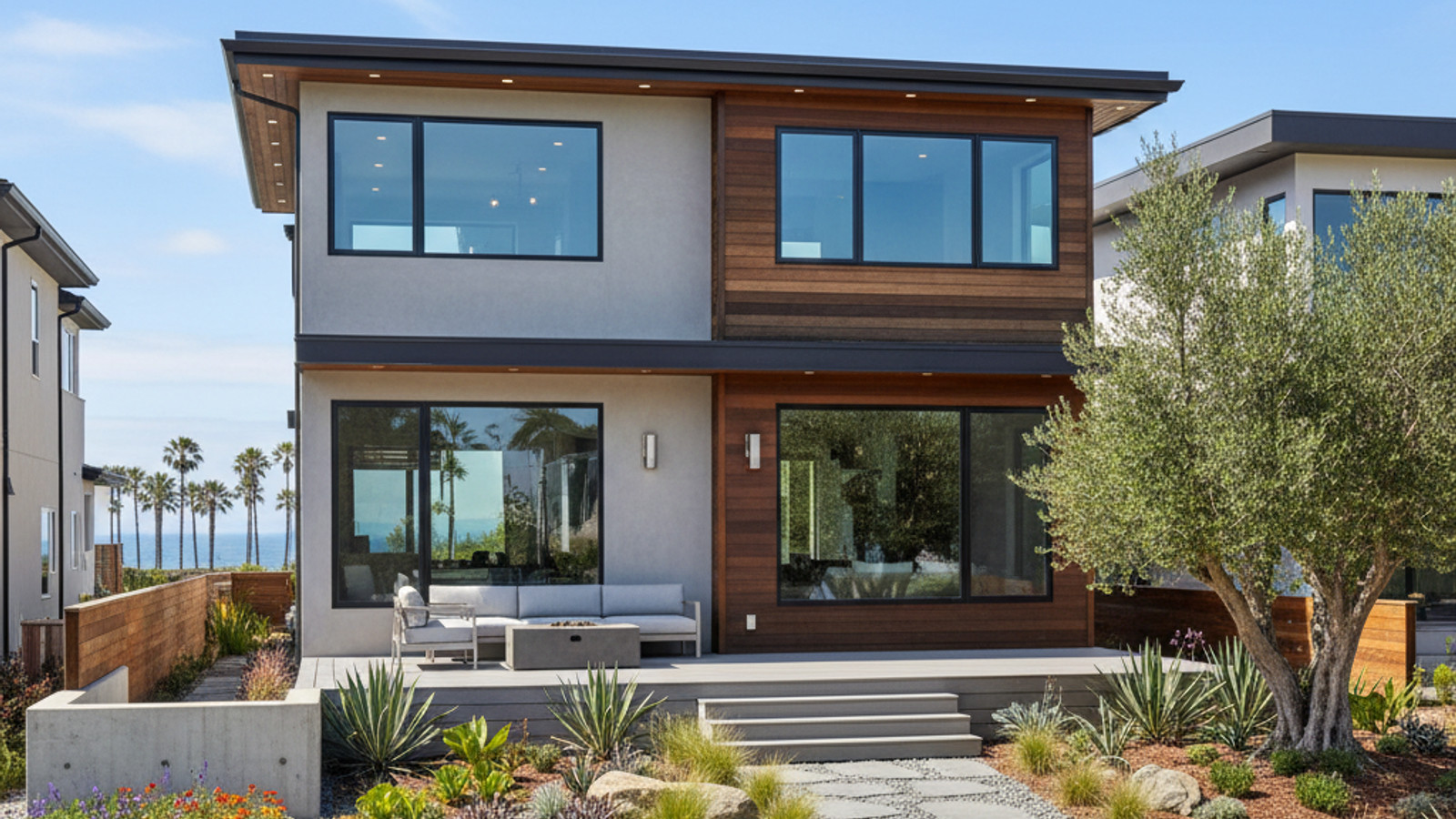
Santa Cruz homeowners face a unique real estate landscape in 2026, where coastal charm meets shifting buyer expectations. Preparing a property for the market requires more than just a fresh coat of paint and some staging furniture. Buyers are actively looking for homes that can withstand the coastal climate while offering modern, functional living spaces.
Understanding what actually drives resale prices higher in Monterey Bay is critical for maximizing your return on investment. Whether you are planning to list next month or holding onto your property as a long-term investment, strategic upgrades make a massive difference. Implementing these proven strategies will help you achieve the highest possible return on your investment when listing homes for sale in Santa Cruz.
The process of increasing property value requires a clear strategy that aligns with current buyer demands and local zoning laws. You must weigh the upfront costs of remodeling against the realistic appraisal value of your specific neighborhood. We will look at the exact improvements, zoning updates, and market conditions that impact property values across the county today.
State of the 2026 Santa Cruz Housing Market
The local housing market has normalized significantly compared to the frantic pace of previous years. Homeowners need to understand current baseline metrics before planning any major renovation budgets or listing timelines. The median home price in Santa Cruz currently ranges between $1,300,000 and $1,490,000, depending on the specific neighborhood and property condition.
Average days on the market have stabilized around 48 to 66 days across the county. This extended timeline gives prospective buyers more room to negotiate and conduct thorough property inspections before closing. Sellers can no longer rely on bidding wars to overlook deferred maintenance or outdated features.
Another factor influencing buyer decisions is the local tax burden associated with purchasing a high-value property. The Santa Cruz County effective property tax rate sits at approximately 0.63 percent. While this is lower than some inland California counties, the high median purchase price means buyers remain highly conscious of their total monthly cost of ownership.
Inventory levels across Santa Cruz County have steadily increased, giving purchasers more options to choose from during their search. When buyers have multiple properties to tour, homes with outdated systems or visible wear tend to sit unsold. Pricing your home competitively from day one is the best defense against a stagnant listing.
High-ROI Home Improvements for Coastal Climates
Renovating a home in the Monterey Bay area requires a different approach than updating a property in an inland valley. Local buyers prioritize longevity, weather resistance, and practical utility when evaluating a property’s asking price. Prioritizing climate-appropriate upgrades consistently yields a higher return on investment than purely aesthetic interior changes.
A beautiful kitchen might catch a buyer’s eye, but a failing roof or drafty windows will quickly kill a deal during the inspection phase. Sellers should focus their initial budget on sealing the building envelope and protecting the structure from the elements. Once the home is fortified against the coastal environment, you can confidently highlight those durability features in your listing description.
Many sellers make the mistake of pouring capital into luxury bathroom fixtures while ignoring failing exterior elements. A structurally sound home with updated weatherproofing provides a much stronger foundation for a high appraisal. Real estate agents consistently see higher final sale prices for homes that require zero immediate exterior maintenance.
Weather-Resistant Exterior Upgrades
Upgrading siding and exterior paint is essential for withstanding the persistent local marine layer and coastal salt spray. Installing energy-efficient, weather-sealed windows is another major selling point that lowers utility costs and prevents moisture intrusion. A well-maintained exterior reduces red flags during buyer home inspections and significantly boosts initial curb appeal.
Buyers paying premium prices expect a move-in ready exterior that will not require immediate maintenance or costly repairs. Replacing old wood siding with fiber cement board or applying specialized elastomeric paint offers tangible value to the new owner. These practical upgrades signal to buyers that the home has been meticulously cared for over the years.
The proximity to Monterey Bay means salt air can rapidly degrade cheap building materials and exposed metal fixtures. Upgrading to marine-grade exterior lighting and stainless steel hardware prevents unsightly rust from forming before your open house. These small, durable details prove to buyers that the property was maintained with the local climate in mind.
Maximizing Outdoor Living Spaces
Buyers place a massive premium on usable outdoor spaces, particularly in a temperate climate like Santa Cruz. Transforming a basic backyard into a functional extension of the home effectively increases the usable living area without altering the roofline. Installing durable composite decking or paved stone patios creates defined entertainment areas that photograph beautifully for the MLS.
Landscaping choices also play a direct role in a property’s final appraisal and overall buyer interest. Replacing thirsty lawns with drought-tolerant landscaping reduces water usage and appeals heavily to eco-conscious buyers. Upgrading the outdoor living area is consistently one of the most profitable decisions a seller can make before listing.
Adding a custom fire pit or a covered outdoor kitchen setup further elevates the appeal of the backyard. These features allow residents to enjoy the cool coastal evenings, making the property feel like a private retreat. Highlighting these entertainment zones in your marketing photography directly translates to increased foot traffic during showings.
Adding Value with Accessory Dwelling Units (ADUs)
Accessory Dwelling Units remain one of the most effective ways to drastically boost property value in California. Adding an ADU creates separate living space for extended households or provides immediate rental income potential for the new buyer. Navigating the latest zoning laws correctly can turn an underutilized backyard into a major financial asset.
The January 2026 state law updates, including SB 543 and AB 1154, have further streamlined the ADU permitting process across the state. These legislative changes make it faster and more predictable to get construction plans approved by the local planning department. Additionally, Junior ADUs are now eligible for the same fire sprinkler and fee exceptions as standard detached units.
It is important to note that properties located within the Coastal Zone face an additional layer of regulatory oversight. Homeowners in these specific areas still require a separate Coastal Permit before beginning any ADU construction. Working with a local contractor who understands these specific Santa Cruz County requirements prevents costly delays and ensures the added value is fully legal.
The financial appeal of an ADU cannot be overstated in a market where mortgage rates remain a primary concern. Buyers often calculate the potential rental income of the secondary unit to help offset their monthly housing costs. A fully permitted ADU essentially acts as a built-in mortgage subsidy, making your home attractive to a much wider pool of buyers.
How Location Features Impact Resale Value
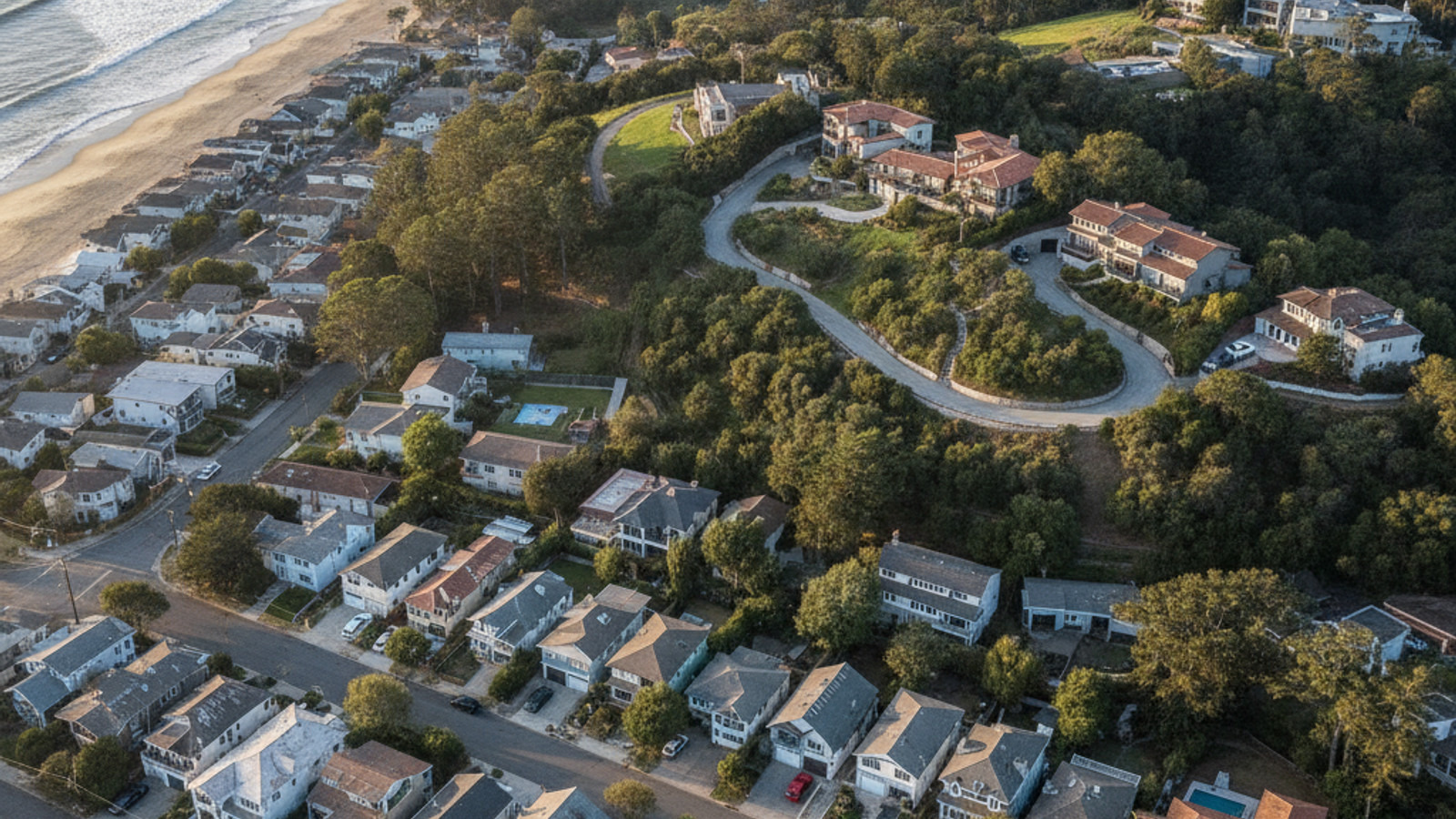
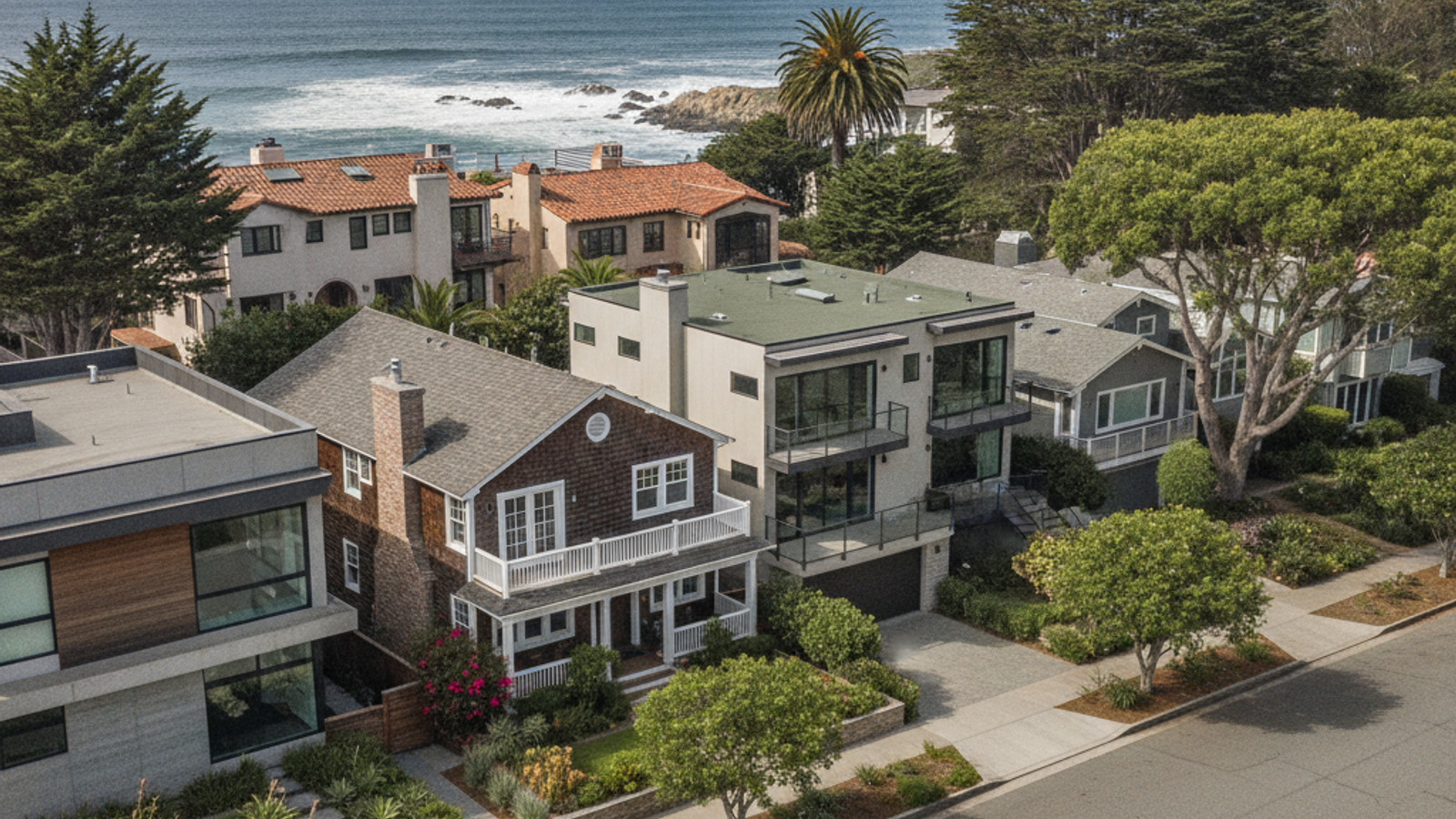
An individual property’s value is heavily dictated by its access to local infrastructure, educational hubs, and transit routes. While you cannot physically move your house, you can strategically highlight its best objective geographic features in the marketing materials. Highlighting these locational benefits helps justify your asking price to buyers comparing homes across different neighborhoods like Scotts Valley and Capitola.
Buyers often filter their property searches based on very specific commute times and proximity to major regional amenities. A home that requires a long, winding drive through the mountains will appeal to a different demographic than one sitting directly off a main artery. Real estate agents use these locational data points to craft a compelling, factual narrative for the property.
The specific zoning of a neighborhood also dictates what future expansions a new owner might undertake. Properties situated in areas with flexible zoning often command a premium from buyers looking to add square footage later. Ensuring your listing agent clearly communicates these underlying property rights is a simple way to maximize perceived value.
Commute Access and Neighborhood Proximity
Proximity to Highway 1 and Highway 17 significantly reduces commute times for residents traveling out of the county. This easy transit access is a major selling point for buyers working in Silicon Valley or the broader Bay Area. Homes situated near these main corridors consistently command higher prices due to the sheer convenience they offer daily commuters.
Being located a short distance from the UC Santa Cruz campus also increases a home’s viability as a long-term rental investment. Furthermore, immediate access to recreational areas like Wilder Ranch State Park or Monterey Bay beaches provides a measurable boost to asking prices. Highlighting these exact distances in your listing description ensures buyers understand the true value of the location.
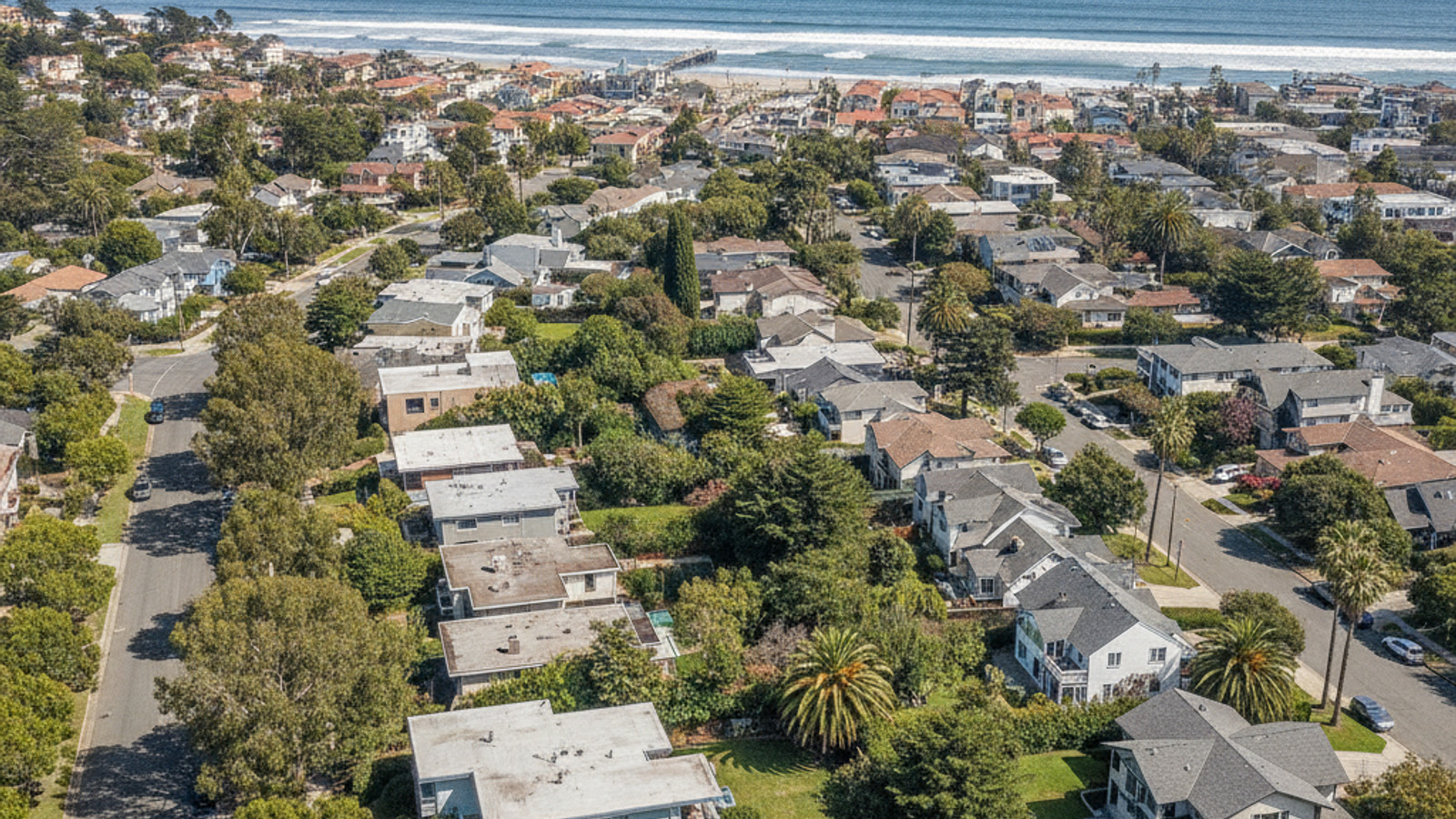
Walkability to local commercial districts in Capitola or downtown Santa Cruz is another highly sought-after geographic feature. Buyers appreciate the ability to leave their cars at home and access grocery stores, cafes, and local services on foot. Highlighting a strong walk score or close proximity to designated bike paths adds an excellent angle to your property marketing.
Frequently Asked Questions
What are the house price predictions for Santa Cruz in 2026?
Market predictions for Santa Cruz in 2026 indicate a stabilizing environment with median prices holding steady between $1,300,000 and $1,490,000. Slower appreciation rates mean sellers must price their homes accurately rather than relying on rapid market inflation. Properties in excellent condition continue to sell near asking price, provided they do not sit on the market past the 60-day mark.
How much does a backyard renovation increase home value in Santa Cruz?
A well-executed backyard renovation can yield a return on investment of 60 to 80 percent upon resale. Buyers in this region actively seek homes with composite decking or paved patios that allow for year-round outdoor entertaining. Drought-tolerant landscaping also adds measurable value by reducing ongoing water costs for the future homeowner.
Is adding an ADU in Santa Cruz County worth the investment?
Building an ADU is highly worthwhile and often adds more to the property value than the initial cost of construction. The ability to generate rental income is a massive draw for buyers facing high monthly payments in the $1,300,000 price range. Recent 2026 legislation like SB 543 makes the permitting process faster, increasing the overall profitability of these backyard projects.



Leave a Reply