The Santa Cruz real estate market has entered a new phase of stability in 2026, shifting away from the extreme volatility of recent years. Buyers and sellers are now approaching transactions with a much sharper focus on accurate pricing and long-term equity.
Getting a precise property valuation Santa Cruz CA relies on analyzing hyper-local market trends, historical data, and our unique regional geography. Whether you are preparing to list your coastal property or negotiating a purchase in the mountains, knowing exactly what a home is worth is your strongest negotiating tool.
A miscalculated valuation can lead to months of stagnant market time for sellers or an upside-down mortgage for buyers. Understanding the mechanics behind local appraisals and market analysis ensures you make financially sound decisions.
Living in Santa Cruz means participating in a highly competitive housing sector tied closely to the broader San Francisco Bay Area economy. Navigating this landscape requires a firm grasp on the financial metrics that dictate property worth.
Understanding Property Valuation in the 2026 Santa Cruz Market
Accurately pricing a home in Santa Cruz County requires more than just looking at a neighborhood average. The 2026 market demands a precise approach to valuation to prevent sellers from underpricing and buyers from overpaying.
The median home price in the Santa Cruz area currently hovers between an approximate $1,300,000 and $1,560,000 depending on the exact neighborhood. These figures mean that even a minor percentage error in pricing can translate to tens of thousands of dollars lost at the closing table.
Average days on market currently sit around 36 to 48 days for properly priced homes. Properties that hit the market with an inflated valuation tend to sit much longer, often requiring multiple price reductions before attracting serious offers.
Sellers who attempt to test the market with unrealistically high numbers usually see their listings grow stale. Buyers have access to more data than ever and will quickly bypass homes that fail to align with recent comparable sales.
The clear takeaway for 2026 is that intentional, data-backed pricing beats speculative listing strategies every time. Homeowners must rely on hard comparable sales rather than emotional attachment to determine their listing price.
Assessed vs. Appraised vs. Fair Market Value
The word “value” means completely different things to the county tax collector, a mortgage lender, and a prospective buyer. Mixing up these definitions is a common trap that can derail a real estate transaction.
Many homeowners make the mistake of looking at their annual property tax bill and assuming that number reflects what their house would sell for today. Others might assume an aggressive offer from a buyer guarantees the bank will agree to lend that exact amount.
Understanding these three distinct valuation types prevents costly surprises during the loan underwriting or tax assessment phases. Knowing which number matters in which scenario is critical for successfully navigating homes for sale in Santa Cruz.
Real estate agents, appraisers, and government officials each utilize different methodologies to arrive at their respective numbers. Separating these concepts allows buyers to plan their financing while helping sellers project their net proceeds.
Santa Cruz County Assessed Value
The Santa Cruz County Assessor determines a property’s assessed value specifically to calculate annual property tax bills. This figure is governed by California Proposition 13, which caps annual tax increases at 2% unless a change in ownership or major renovation occurs.
While the base tax rate is 1.00%, local voter-approved levies bring the effective tax rate to an average of about 1.26% across the county. When you purchase a new property, the assessor will trigger a reassessment, resetting the tax burden to reflect the current market value.
Long-term homeowners often possess an assessed value that sits drastically lower than what the property would fetch on the open market. New buyers must budget for the supplemental tax bill that arrives once the county updates the assessment to match their recent purchase price.
Appraised Value for Lenders
Lenders require a formal real estate appraisal to verify that a home serves as sufficient collateral for a mortgage, home equity line of credit, or refinance. A licensed appraiser conducts an objective physical inspection of the property, noting the condition, square footage, and permanent fixtures.
This process ultimately protects the bank from lending more money than the physical asset is actually worth. If an appraisal comes in lower than the agreed-upon purchase price, the buyer must cover the difference in cash or renegotiate the contract with the seller.
Appraisers strictly follow guidelines established by the housing finance industry and do not factor in future potential or purely emotional appeal. Their final report is a conservative, data-driven document designed to minimize financial risk for the lending institution.
Fair Market Value and the CMA
Fair market value represents the actual price a willing buyer and seller agree upon in the current open market. Local real estate agents determine this number by compiling recent comparable sales into a Comparative Market Analysis.
Unlike a static tax assessment, fair market value fluctuates regularly based on active inventory, buyer demand, and prevailing mortgage interest rates. A well-executed market analysis provides the most realistic picture of what a property will sell for this week.
Agents look at homes that have successfully closed within the last three to six months to establish a pricing baseline. They then adjust that baseline up or down based on the unique features, upgrades, and exact location of the subject property.
Key Factors Influencing Home Values in Santa Cruz
Santa Cruz real estate commands a significant premium compared to many other parts of Northern California. Hyper-local geographic and regulatory variables carry massive weight here, heavily influencing what buyers are willing to pay.
Standard suburban valuation models often fail in this region because two homes located just a mile apart can have drastically different valuations. Factors like microclimates, elevation, and coastal access create distinct pricing tiers across the county.
The most crucial takeaway for anyone evaluating property here is that location nuances dictate pricing ceilings. A beautifully updated home will still face a value cap if it sits on a difficult parcel or faces heavy commute traffic.
Understanding these local variables helps buyers identify properties with strong long-term appreciation potential. It also guides homeowners in deciding which renovations will actually yield a positive return on investment.
Coastline Proximity and Commute Routes
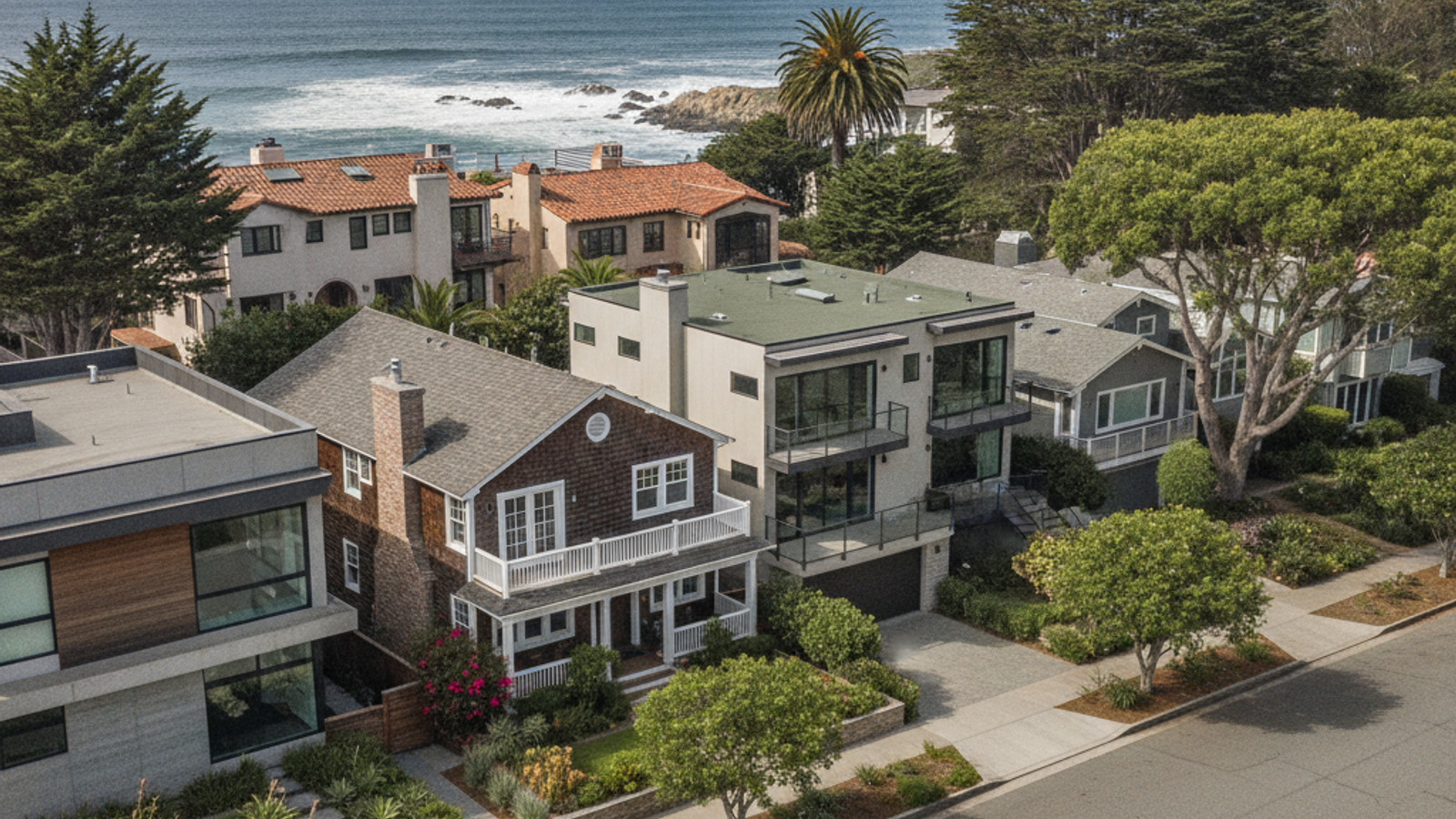
Properties located within walking distance to the beach or those offering unobstructed ocean views consistently appraise at the top of the local market. The premium for coastal proximity is a permanent fixture of Santa Cruz valuation.
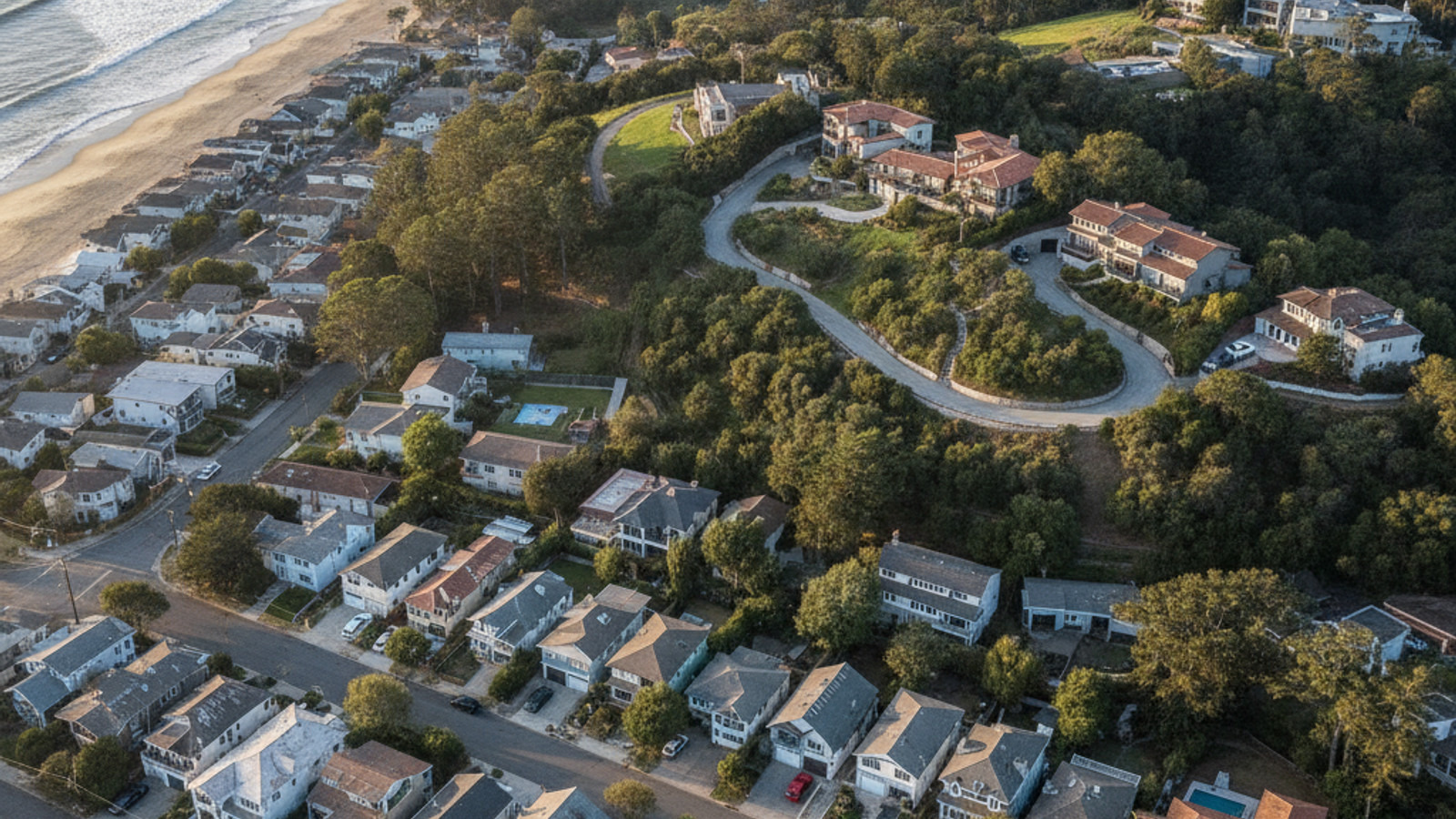
Convenient access to Highway 1 or Highway 17 also holds immense value for residents commuting into the San Francisco Bay Area. Homes nestled deeper in the Santa Cruz Mountains often trade commute convenience for acreage, but they also face different insurance realities that can impact buyer demand.
Navigating mountain roads adds daily travel time, which inherently softens the market value compared to centrally located city parcels. Buyers weigh the privacy of the redwoods against the logistical ease of living closer to the downtown center.
California Coastal Commission and Zoning
Strict local zoning laws and environmental protections heavily constrain the supply of new housing in the area. The California Coastal Commission holds broad authority over coastal development, meaning new construction and major home renovations face rigorous approval processes.
These strict regulations keep local inventory low, which inherently protects and elevates existing property values. However, unpermitted additions or strict coastal zone restrictions can heavily penalize a formal real estate appraisal if a buyer cannot legally utilize the space.
Appraisers must verify that all living spaces align with county records and local zoning ordinances. Discovering an unpermitted guest unit or an illegal expansion can immediately derail a transaction and significantly lower the final valuation.
Property Condition and Turn-Key Appeal
In the stabilized 2026 market, buyers place a massive premium on turn-key, fully updated properties that do not require immediate work. Deferred maintenance directly reduces both fair market value and the formal appraised value.
Homeowners planning to sell should focus on addressing fundamental issues like aging roofs, foundation repairs, and pest control. Resolving these structural items yields a much better valuation return than purely cosmetic upgrades like new paint or landscaping.
A home with a clear pest report and updated mechanical systems will always appraise stronger than a visually appealing house with hidden defects. Lenders want assurance that the property will remain structurally sound for the life of the loan.
Frequently Asked Questions About Santa Cruz Property Valuation
How much does a home appraisal cost in Santa Cruz, CA?
A standard home appraisal in Santa Cruz County typically costs between $600 and $900. Complex properties in the mountains or large coastal estates can push this fee closer to $1,500 due to the extensive research required. The buyer usually pays this fee directly to the lender during the mortgage underwriting process.
How is a property valuation performed in Santa Cruz, CA?
A licensed appraiser performs a physical inspection of the home to evaluate its condition, size, and permanent features. They then compare these details against at least three recently sold comparable properties within a one-mile radius. This combination of on-site inspection and local market data determines the final valuation report.
How long is a property appraisal good for in Santa Cruz?
Most mortgage lenders consider a property appraisal valid for 90 to 120 days from the date of the report. Because the Santa Cruz real estate market can shift quickly, lenders require up-to-date data to finalize a loan or refinance. If your transaction takes longer than four months to close, you will likely need to pay for an appraisal extension or a completely new report.
How can I find Santa Cruz County property records online?
You can access public property records directly through the official Santa Cruz County Assessor website. By entering a specific address or parcel number, you can view historical assessed values and tax roll information. These records are vital for verifying the base year value of a home before calculating future property tax obligations.



Leave a Reply