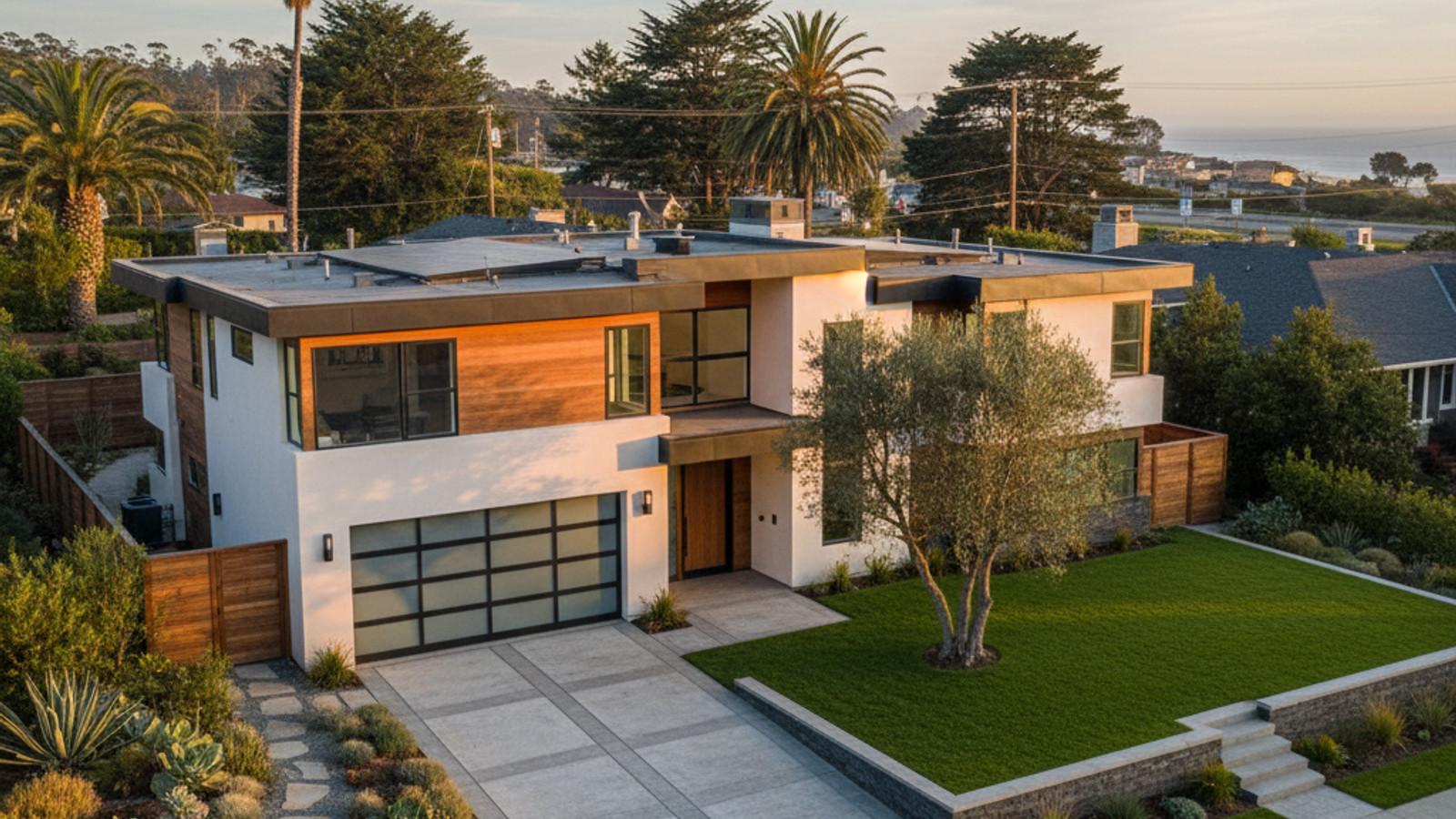
If you are preparing to list your property this year, you likely want to know exactly how long to sell my home in Santa Cruz CA. The local market has shifted significantly, and the days of throwing a sign in the yard and receiving multiple offers by the weekend are largely behind us. Buyers are taking their time to evaluate options, negotiate terms, and inspect properties thoroughly before committing to a purchase.
Understanding the current timeline is critical for planning your next move, whether you are relocating out of state or looking at other homes for sale in Santa Cruz. A realistic expectation of how long your house will sit on the market helps you coordinate moving logistics and financial transitions without unnecessary stress. Preparing your property correctly from day one is the absolute best way to avoid lingering on the active market and losing buyer momentum.
Anyone living in Santa Cruz knows that local real estate moves at its own distinct pace. The transition from a seller-dominated landscape to a more neutral environment means preparation is more important than ever. Sellers who understand the current data and adjust their expectations accordingly are the ones successfully closing deals this year.
Current Average Days on Market in Santa Cruz
The timeline for selling a house in Santa Cruz depends heavily on the specific type of property you own. Overall, the current average days on market ranges between 51 and 66 days for a standard listing.
Single-family homes in highly targeted neighborhoods often sell much faster than the county average. Condos and townhouses, however, typically take longer to secure a qualified buyer. You can expect attached properties to sit on the market for 70 to 85 days, depending heavily on the monthly HOA fees and the specific complex location.
Inventory levels play a massive role in dictating these local selling timelines. We are currently seeing about 400 to 500 active listings across the county at any given time. This gives buyers more choices, which naturally slightly lengthens the standard selling time compared to previous low-inventory years.
Pricing dynamics have also adjusted alongside this steady inventory increase. In 2026, only about 19 percent of homes are selling above their initial list price. This signals a strong shift toward a more balanced real estate market where competitive pricing is absolutely essential for a timely sale.
The first two weeks of your listing are the most critical for generating strong buyer interest. Properties that fail to attract offers within this initial window often experience a drop in showing requests. Staying proactive during this period helps you avoid becoming a stale listing that buyers overlook.
How Local Seasonality Impacts Selling Timelines
Real estate in coastal California is highly seasonal, and timing your listing can dictate how quickly you receive a solid offer. Understanding these local rhythms helps you capitalize on peak buyer demand and minimize your days on market.
The traditional spring and early summer surge remains the most active time for real estate transactions. Between March and June, longer daylight hours make evening open houses more accessible for Silicon Valley commuters. The academic calendar at the University of California, Santa Cruz also drives demand during this window as faculty and staff secure housing before the fall term begins.
Summer tourism brings a massive influx of visitors, which increases general visibility for local listings. However, this peak tourist season can also complicate open house traffic and create neighborhood parking challenges. Serious buyers sometimes step back during July and August to avoid the coastal crowds and vacation traffic.
Late fall and winter bring a noticeable slowdown to the local housing market. Inventory drops significantly between November and February as sellers pull their listings for the holidays. While overall buyer activity is lower, listing during this window creates a unique opportunity to stand out to highly motivated buyers who have fewer options to choose from.
Unpredictable winter weather can also play a role in how quickly a home sells. Heavy rain storms often deter casual buyers from attending weekend viewings. However, a properly staged home that feels warm and inviting can still capture the attention of a dedicated buyer during these colder months.
Property Features That Influence Sale Speed
Certain property attributes consistently attract buyers faster than others in the Santa Cruz area. Highlighting these specific features in your marketing can significantly reduce your days on market and increase your final net proceeds.
Buyers place a premium on location, especially when it comes to the daily commute or direct coastal access. Properties that offer a clear objective advantage in these areas tend to spend far less time waiting for an offer. Showcasing these geographic benefits is a proven way to capture immediate attention from buyers relocating to the area.
If your home has any of these highly sought-after features, it is crucial to make them the focal point of your listing. Highlighting these objective benefits helps your property stand out in the current inventory.
- Proximity to major commuter routes like Highway 1 and Highway 17.
- Objective coastal advantages, such as verified beach access or walking distance to West Cliff Drive.
- Inclusion in the Santa Cruz City Schools district and easy access to specific local elementary schools.
- High-ROI updates completed before listing, such as modernized kitchens or recently replaced roofs.
Addressing deferred maintenance before going active is one of the smartest moves a seller can make. Buyers in 2026 are highly sensitive to properties that require immediate work or costly repairs. Homes that are move-in ready consistently bypass the average market timelines and move straight to pending status.
Usable outdoor space is another major factor that accelerates the selling process. Properties with well-maintained yards or functional patios appeal strongly to buyers looking to maximize their living area. Investing in basic landscaping cleanup before photos are taken is a simple way to boost your initial market impact.
Pricing Strategy and Time on Market by Neighborhood
Neighborhood-specific pricing directly dictates how fast a home moves in Santa Cruz County. A blanket pricing approach simply does not work when local micro-markets perform so differently.
The Westside remains one of the most active markets for quick real estate sales. Homes in this area priced correctly around the $1,500,000 mark frequently sell in under three weeks. Buyers targeting this specific zip code are often ready to move quickly when a properly valued home hits the MLS.
The Eastside and Seabright areas offer a slightly different pricing landscape for sellers. Median prices in these neighborhoods generally range from $1,050,000 to $1,300,000. While demand is steady, buyers in this price bracket are highly analytical and will reject properties that push the upper limits of recent comparable sales.
Overpricing is the biggest risk for sellers navigating the market in 2026. Homes priced too high will sit on the market, accumulate days on the MLS, and eventually require significant price cuts. A competitive initial pricing strategy leverages the current buyer pool to secure faster sales without sacrificing your final net proceeds.
Proper pricing also protects you during the critical appraisal phase of the transaction. If a home is priced artificially high and receives an inflated offer, it may fail to appraise at that value. This often forces sellers back to the negotiating table or back onto the active market, delaying the final closing date.
Frequently Asked Questions
What is the hardest month to sell a house in Santa Cruz?
December and January typically see the highest days on market due to the holidays and winter weather. Buyers are largely focused on seasonal travel and family events rather than attending open houses. Listing during these months often extends your timeline, though the buyers who are actively touring homes tend to be highly motivated.
What decreases property value the most?
Deferred maintenance and outdated major systems like aging roofs or old plumbing are the top factors that lower offers. Unpermitted additions also negatively impact appraisals and severely limit buyer interest across the board. Addressing these structural and legal issues before listing is essential for protecting your equity and ensuring a smooth transaction.
Should I sell or rent my Santa Cruz home?
Selling provides immediate capital gains, which is ideal if you need liquidity to purchase your next property. However, holding the property offers long-term equity growth and strong rental income potential in a high-demand market. Standard two-bedroom rentals in the area often command around $3,600 per month, making it a lucrative option if you do not need immediate cash.



Leave a Reply