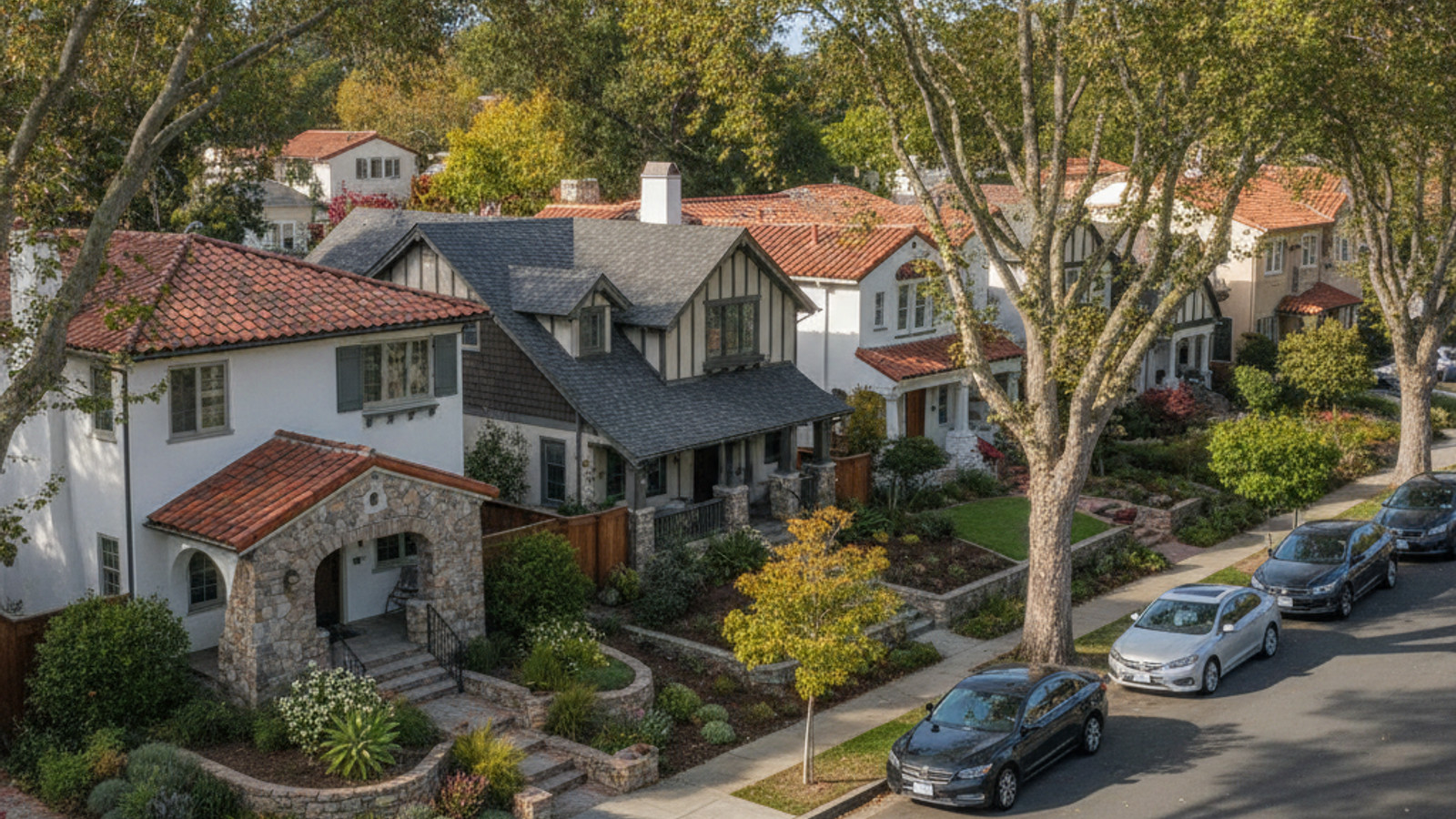
As of mid-2026, the median sale price for homes in Santa Cruz, CA is around $1.46 million. Homes spend roughly 15 days on the market, and active inventory sits at just over 60 available properties. Buyers are frequently paying slightly above list price, which means standard financing here demands serious upfront capital for first-time home buyers in Santa Cruz, CA.
That 20% down payment threshold is the wall most buyers hit first. The good news is that first-time home buyer programs in Santa Cruz, CA exist specifically to help you get past it – through deferred loans, shared appreciation structures, and local county assistance that can meaningfully reduce your out-of-pocket costs at closing.
Overview of First-Time Home Buyer Programs in Santa Cruz, CA
State and local agencies design these programs for buyers who haven’t owned a home recently. The goal is straightforward: reduce the cash you need to close so the initial purchase is actually within reach.
Depending on the agency, you can access funds for down payments, closing costs, or specialized below-market-rate housing. Every program comes with its own income caps, credit score minimums, and residency requirements – so the details matter.
Who Qualifies as a First-Time Buyer
In California, a first-time home buyer is generally someone who hasn’t held an ownership interest in a primary residence during the past three years. That’s worth reading twice – it means previous homeowners can re-qualify if enough time has passed since they last owned.
Certain local options enforce this more strictly. The Housing Choice Voucher homeownership program in Santa Cruz County requires you to prove you haven’t held ownership in the past 36 months and also meet specific work-hour requirements. No exceptions on that one.
Types of Assistance Available
Don’t expect a check in the mail. Assistance here typically takes the form of deferred-payment loans, zero-interest second mortgages, or shared-appreciation loans – structures that let agencies recycle funds as buyers eventually sell or refinance.
Some local municipalities take a different approach entirely, offering Below Market Rate (BMR) programs instead of financial loans. These restrict the home’s resale price to preserve affordability for future buyers, which means you’re trading some equity growth for the ability to buy in the first place.
Statewide First-Time Home Buyer Grants and Loans
The California Housing Finance Agency (CalHFA) is where most state-level assistance originates. CalHFA doesn’t offer outright cash grants – what they provide are deferred-payment assistance loans that function as second mortgages sitting behind your primary loan. No monthly payments, and the balance comes due when you sell, refinance, or pay off the first mortgage.
Statewide Deferred-Payment Loans and Shared Appreciation
The MyHome Assistance program provides up to 3.5% of the purchase price or appraised value for FHA loans, and 3% for conventional, VA, or USDA loans. That money goes toward your down payment or closing costs and accrues simple interest while deferred.
The ZIP program is a different tool – it provides 2% or 3% of the first mortgage at zero interest, but it’s specifically for closing costs and only works if you’re using a CalPLUS first mortgage. Ask your lender whether a CalPLUS loan fits your budget before counting on ZIP.
Then there’s the Dream For All Shared Appreciation program, which offers up to 20% of the purchase price with no monthly payments and no interest. The trade-off: when you sell, transfer, or hit the 30-year mark, you repay the original amount plus a share of your home’s appreciation.
CalHFA ADU Grant Status
The CalHFA ADU Grant Program – which previously offered up to $40,000 for pre-development costs – closed on December 28, 2023. As of mid-2026, there’s no new round of funding available. If you’re planning to build an accessory dwelling unit, you’ll need to look at private construction loans or local municipal incentives instead.
Local Down Payment Assistance in Santa Cruz County
Municipal assistance here takes some digging. The City of Santa Cruz doesn’t run a direct cash down payment assistance program – historically, that kind of direct funding simply hasn’t been available. What you’re looking for instead are unincorporated county programs, specific municipal zoning options, or local nonprofits. Where exactly you’re buying matters quite a bit.
City of Santa Cruz and Measure O
The City of Santa Cruz Economic Development and Housing Department administers Measure O. This isn’t a cash grant or a secondary loan – it’s an inclusionary affordable-housing program that creates below-market-rate condos and townhomes for qualified buyers.
The catch is built into the structure: these properties carry strict resale restrictions to keep them affordable over the long term. Your equity growth will be capped when you eventually sell. That’s the trade-off, and you should go in with clear eyes about it.
County-Level Down Payment Assistance
For buyers purchasing in unincorporated areas, Santa Cruz County offers the CalHome Mortgage Assistance Program – a down payment loan of up to $56,400 for income-eligible buyers purchasing a condo, townhome, or single-family residence, funded on a first-come, first-served basis.
The county also runs the ReCoverCA Homebuyer Assistance Program, which launched in November 2025. This one offers up to $300,000 in forgivable second-mortgage loans for households impacted by the 2023 – 2024 floods, at 0% interest with full forgiveness after five years. That’s a significant resource for eligible buyers.
Habitat for Humanity Monterey Bay offers a Mortgage Assistance Program providing up to $100,000 toward a down payment for first-time buyers in the county. Check current funding availability with them directly before factoring it into your plans.
Housing Authority Voucher Program
The Housing Authority of the County of Santa Cruz doesn’t currently administer its own down payment assistance programs. What it does operate is a Housing Choice Voucher homeownership option, which lets qualifying participants apply their monthly housing assistance payment toward a mortgage instead of rent.
If you’re using this voucher, you’ll need to contribute at least 3% of the purchase price, with 1% coming directly from your own savings.
Income Limits and Eligibility Rules
Qualifying comes down to three things: your household income, your credit score, and the home’s purchase price. For 2026, the income caps in Santa Cruz County are set well above the national average – the area’s housing costs make that necessary. Pull together your recent tax returns and pay stubs early. You don’t want to be chasing paperwork once you’re in escrow.
Income Limits for California and Santa Cruz
Effective June 30, 2026, CalHFA caps income at $271,000 for all its first mortgages and subordinate mortgages in Santa Cruz County. That limit covers programs like the MyHome Assistance loan.
The California Dream For All Shared Appreciation Loan Program sets a lower bar. The most recently published table caps income for that specific program at $210,000 for Santa Cruz County – so if you’re near the upper range, it’s worth confirming where you land before you apply.
Credit Score Requirements for State Programs
For CalHFA government-backed programs – FHA, VA, and USDA loans – the standard minimum credit score is 640. If you’re doing manual underwriting for an FHA loan or purchasing a manufactured home, that minimum climbs to 660.
For CalHFA Conventional loan programs, the minimum is 680 if your income is above the HomeReady 80% Area Median Income limit. At or below that limit, the minimum drops to 660.
No credit score at all, or only non-traditional credit? CalHFA programs won’t work for you. That said, for standard California FHA-backed loans outside of CalHFA, a score as low as 580 can qualify for a 3.5% down payment. Scores between 500 and 579 may still qualify, but you’ll need to put down 10%.
How to Apply for Assistance Step by Step
One thing buyers get wrong: you can’t apply directly to CalHFA. The process runs through approved lenders, and it involves specific educational steps that need to happen before you’re under contract – not during escrow when everyone’s already stressed.
Finding an Approved Lender in Santa Cruz
CalHFA distributes its funds through a network of approved private lenders. You’ll work with a loan officer authorized to process CalHFA loans, who will review your income, pull your credit, and match you to whatever programs you currently qualify for based on available funding. They handle the paperwork to reserve your state funds.
Completing a Homebuyer Education Course
Most first-time buyer programs require an approved homebuyer counseling course covering the mortgage process, budgeting, and the specifics of deferred or shared-appreciation loans. You’ll receive a certificate of completion at the end, and your lender must include it in your final loan file to actually secure the assistance funds. Don’t skip this step or leave it for the last minute.
Combining Programs to Maximize Aid
You can often layer different types of assistance to cover both your down payment and closing costs. Pairing a CalPLUS first mortgage with the ZIP program, for example, can reduce what you’re bringing to the closing table.
Your lender will sort out which local county programs can run alongside state-level first mortgages. The Santa Cruz County CalHome Mortgage Assistance Program – up to $56,400 – can sometimes be layered with other financing depending on the primary lender’s rules.
Federal Programs Available to Santa Cruz Buyers
Federal loan programs are worth understanding separately from state and local assistance. These loans are insured by government agencies, which reduces lender risk and opens the door to more flexible credit requirements than conventional loans typically allow. In a market with a median home price around $1.46 million and roughly 61 homes in active inventory, knowing your federal options matters.
FHA, VA, and USDA Loans
FHA loans require a down payment of just 3.5% for buyers with a credit score of 580 or higher. If your score is between 500 and 579, you may still qualify – but you’ll need to put down 10%.
VA loans offer zero-down-payment options for eligible active-duty military, veterans, and surviving spouses. USDA loans also offer zero-down financing, though the property has to be in an eligible rural area to qualify.
National Down Payment Assistance Options
Many national lenders run their own internal down payment assistance programs for first-time buyers – often small grants or lender credits applied directly to closing costs. Ask your loan officer whether their institution offers proprietary grants. These private programs can sometimes be used alongside FHA or VA loans to chip away further at your cash requirements.
Frequently Asked Questions
What are the income limits to qualify for first-time homebuyer programs in Santa Cruz?
It depends on the program. For 2026, CalHFA limits income to $271,000 for standard first and subordinate mortgages in Santa Cruz County. The California Dream For All Shared Appreciation program caps income at $210,000 for the county.
How do I apply for a Below Market Rate (BMR) home in Santa Cruz County?
You apply directly through the municipality running the specific program. For the City of Santa Cruz, the Economic Development and Housing Department handles the Measure O program, which creates below-market-rate condos and townhomes for qualified buyers.
Can I combine state CalHFA assistance with local Santa Cruz down payment grants?
Yes, layering programs is often possible. Work with a CalHFA-approved lender to see what can be combined with a state first mortgage. The county’s CalHome Mortgage Assistance Program – up to $56,400 – is one option that may be paired with other funds depending on your lender’s rules.
What happens when I sell a house I bought using a Santa Cruz affordable housing program?
It depends on what you used to buy it. If you purchased a Measure O home in the City of Santa Cruz, resale restrictions apply to keep the price affordable for the next buyer. If you used the CalHFA Dream For All program, you’ll repay the original loan amount plus a share of your home’s appreciation.
Can I use Santa Cruz homebuyer assistance to purchase a mobile home or condo?
Several programs allow for these property types. The Santa Cruz County CalHome Mortgage Assistance Program covers condos, townhomes, and single-family residences. CalHFA government loan programs also allow for manufactured homes, provided your credit score is at least 660.
How long is the waitlist for city and county homebuyer programs in Santa Cruz, CA?
Wait times vary by program and current funding availability. The Santa Cruz County CalHome Mortgage Assistance Program funds on a first-come, first-served basis – meaning funds are issued as applications are approved rather than through a static waitlist.




Leave a Reply