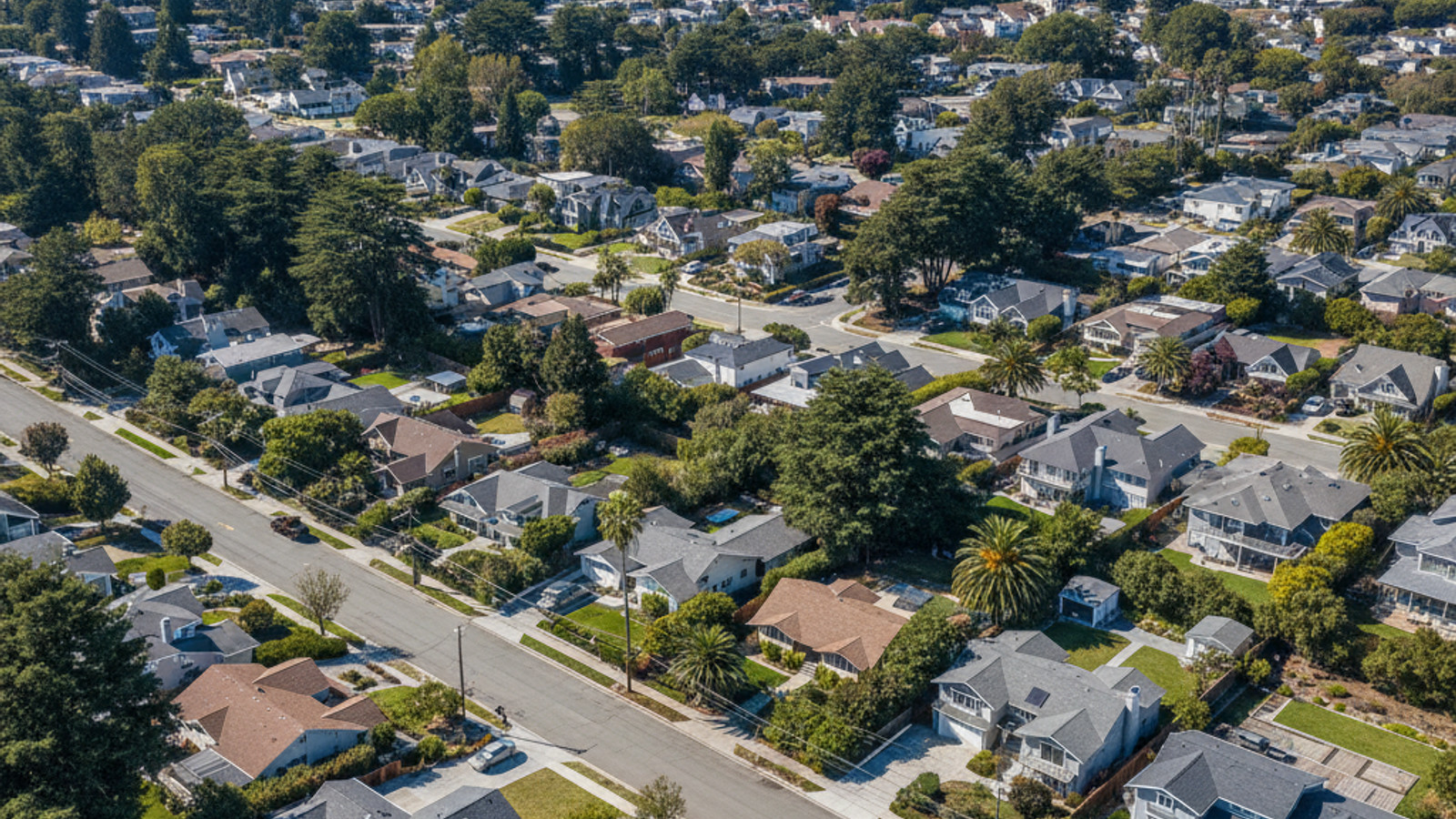
Buying a home in our coastal community involves more than just budgeting for a mortgage and insurance. Understanding how property taxes in Santa Cruz CA work is a critical step for any prospective buyer looking to accurately plan their monthly expenses. State laws and local district fees combine to create a unique tax landscape that catches many new owners off guard.
California has specific rules governing how and when real estate is assessed. Navigating these regulations early ensures you avoid surprise supplemental bills during your first year of ownership. Whether you are browsing homes for sale in Santa Cruz or currently own a local property, knowing the exact timeline and calculation methods will protect your investment.
Understanding the Property Tax Rate in Santa Cruz County
The foundation of your annual tax burden starts with the general levy structure set by the state. California mandates a base property tax rate of 1% of the assessed value for all real property. This base rate provides a starting point, but it does not represent the final amount you will owe.
Local voter-approved bonds and special assessments push the actual amount higher depending on your specific neighborhood. The average effective property tax rate across Santa Cruz County typically lands at approximately 1.26%. Buyers should always budget for the new assessed value based on their purchase price rather than relying on the previous property owner’s tax bill.
How California’s Proposition 13 Impacts Your Property Taxes
The 1978 California Proposition 13 fundamentally changed how homes are taxed by capping the base general property tax rate at 1%. This landmark legislation also provides significant protection against rapid market appreciation. The county assessor can only increase your home’s assessed value by a maximum of 2% each fiscal year.
This means your tax burden remains relatively stable even if local property values skyrocket. These protections stay firmly in place until a change in ownership or major new construction triggers a complete reassessment. Long-term homeowners benefit immensely from this system, while new buyers reset the baseline to current market value upon purchase.
Additional Local Assessments and Parcel Taxes
Beyond the base state rate, local voter-approved bonds fund essential public infrastructure, emergency services, and community college districts. These additions vary significantly depending on where your property is located within the county. Homes situated in certain special districts or areas carrying Mello-Roos fees will naturally have a higher effective tax rate.
School district parcel taxes also contribute to your annual total. For instance, Santa Cruz City Schools levy specific taxes that run approximately $110 to $208 per parcel annually, depending on the specific zone under Measures T and U. Checking the exact district boundaries before closing on a home will give you a clear picture of these extra costs.
Calculating Your Estimated Property Taxes in Santa Cruz, CA
Figuring out your anticipated annual costs requires a simple formula using your purchase price. You multiply the assessed value by the effective property tax rate to find your estimated annual property tax. Since the average effective rate is roughly 1.26%, this provides a reliable baseline for initial budgeting.
The county divides this annual total evenly into a first installment and a second installment. New buyers must remember that the initial tax bill might reflect the previous owner’s assessed value. Failing to account for the inevitable supplemental tax bills during the first year of ownership is a common financial mistake that can easily derail a budget.
Example Tax Calculations for Typical Santa Cruz Properties
Applying the 1.26% average effective rate to current market prices helps illustrate what buyers actually pay. These figures represent the total annual burden, which is then split into two equal payments.
- For a median-priced single-family home near West Cliff Drive valued at $1,300,000, the estimated annual property tax is approximately $16,380. This requires two installment payments of $8,190 each.
- For a condo in the downtown area priced at $800,000, the estimated annual property tax reaches roughly $10,080. The homeowner would need to make two installment payments of $5,040 each.
Important Property Tax Due Dates and the California Payment Timeline
The California fiscal year runs from July 1 through June 30, dictating a strict schedule for all property owners. Annual tax bills are mailed by the tax collector in October, giving residents a few weeks to prepare their funds. Missing these deadlines is incredibly costly, so marking your calendar is essential.
The first installment is officially due on November 1 and becomes delinquent after December 10. The second installment is due on February 1 and becomes delinquent after April 10. The county tax collector is notoriously unforgiving regarding postmarks, meaning waiting until the last day to mail a payment is a highly risky strategy.
What Happens If Your Property Taxes Go Delinquent?
Missing a property tax deadline triggers severe financial consequences almost immediately. The county applies a strict 10% penalty to the tax due if it is not paid by the delinquent date. A $10 administrative fee is also tacked onto any delinquent second installment.
Ignoring these bills over the long term creates even larger problems for property owners. Unpaid delinquent taxes accrue further interest over time and compound your financial liability. Eventually, this sustained non-payment can lead to a tax lien or even a tax sale of the real property by the county.
How to Pay Your Santa Cruz County Tax Bill
The county tax collector’s office provides several avenues for residents to settle their accounts. Taxpayers can pay securely online via an internet payment service provider using an electronic check or debit card. Processing these transactions requires having your exact assessor’s parcel number handy.
Traditional options remain available for those who prefer them. You can mail a physical check or pay in person at the Santa Cruz County Treasurer-Tax Collector office. However, using a credit card from Visa Inc. or Mastercard will incur a hefty, non-refundable convenience fee.
Navigating the payment portal early in the month prevents last-minute stress. Relying on the e-check option is the safest and most cost-effective method to ensure immediate processing without extra surcharges. This approach guarantees your payment is logged well before the delinquency deadline hits.
Property Tax Exemptions for Santa Cruz Homeowners
Reducing your overall tax burden is possible through specific state and local programs. The standard Homeowners’ Exemption reduces the assessed value of an owner-occupied primary residence by $7,000. This adjustment yields roughly $70 to $80 in annual tax savings for the property owner.
Applying for this benefit requires submitting a simple form to the county assessor. Once approved, the assessor automatically applies this exemption to your property tax bill every subsequent year. Senior citizens may also qualify for specific exemptions from local school district parcel taxes, depending on the district.
Taking advantage of these programs requires minimal effort for a permanent financial benefit. Failing to file the simple one-time Homeowners’ Exemption paperwork is essentially leaving free money on the table. Every buyer should submit this form immediately after taking title to their new home.
Frequently Asked Questions About Santa Cruz Property Taxes
How much is property tax in Santa Cruz?
The base property tax rate is 1% of the assessed value, as mandated by state law. However, local bonds and special assessments push the average effective rate to approximately 1.26% across the county. A home purchased for $1,000,000 will typically generate an annual tax bill of roughly $12,600.
When are the annual tax bills mailed in Santa Cruz County?
Officials at the county tax collector’s office mail the annual property tax bills to owners every October. This gives taxpayers adequate time to review the charges before the first installment is due on November 1. If you do not receive a statement by early November, you should contact the county immediately.
How can I find out how much I owe for property taxes?
You can look up your exact tax due by visiting the Santa Cruz County Treasurer-Tax Collector online portal. Searching the database requires entering your specific assessor’s parcel number or property address. The system will display current bills, payment history, and any delinquent amounts owed.
Are there any property tax assistance programs available in Santa Cruz County?
The most common assistance program is the standard Homeowners’ Exemption, which lowers the assessed value of a primary residence by $7,000. Senior citizens and disabled individuals may also qualify for the State Property Tax Postponement program. Additionally, certain local school districts offer parcel tax exemptions for residents over the age of 65.




Leave a Reply