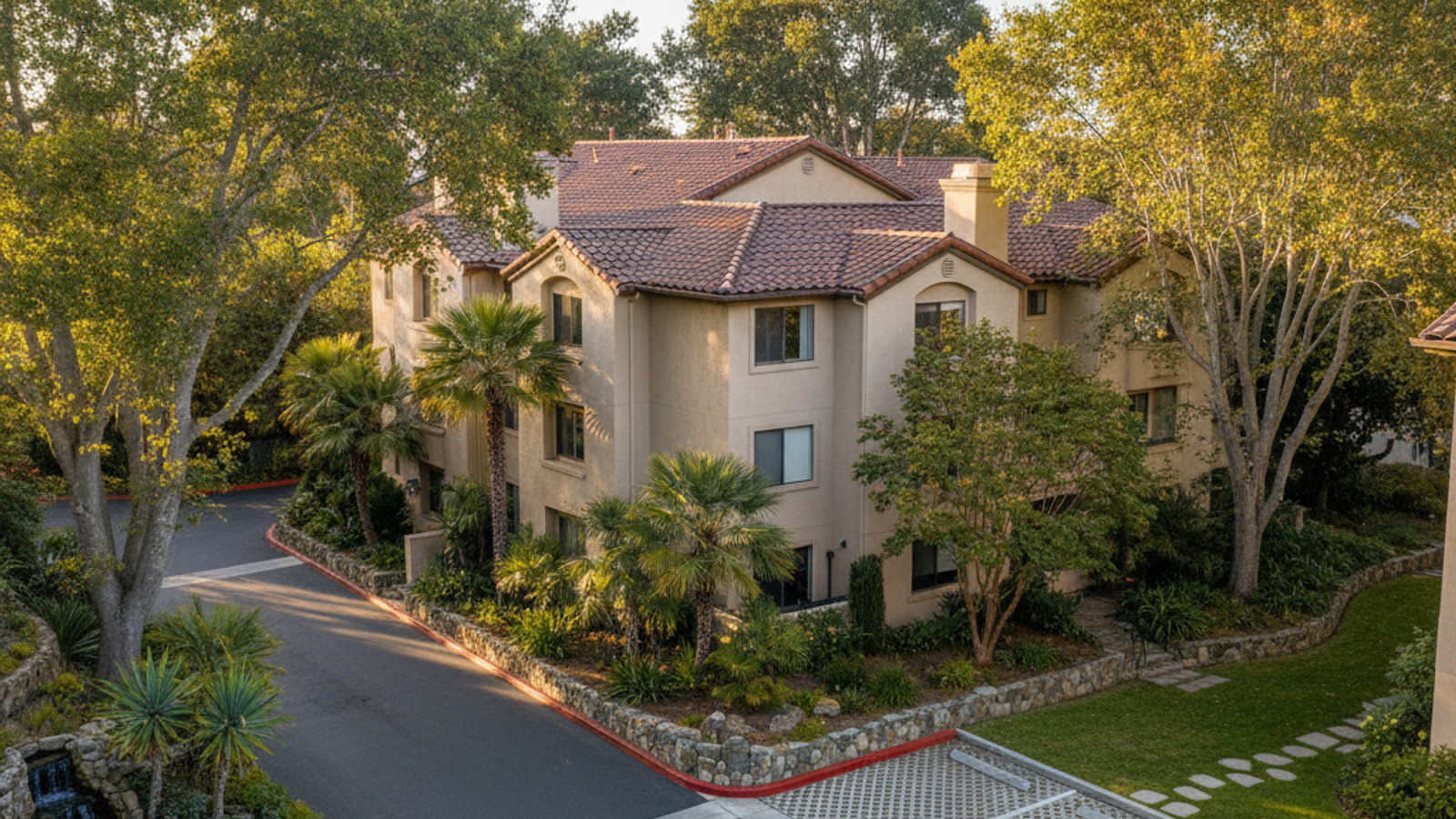
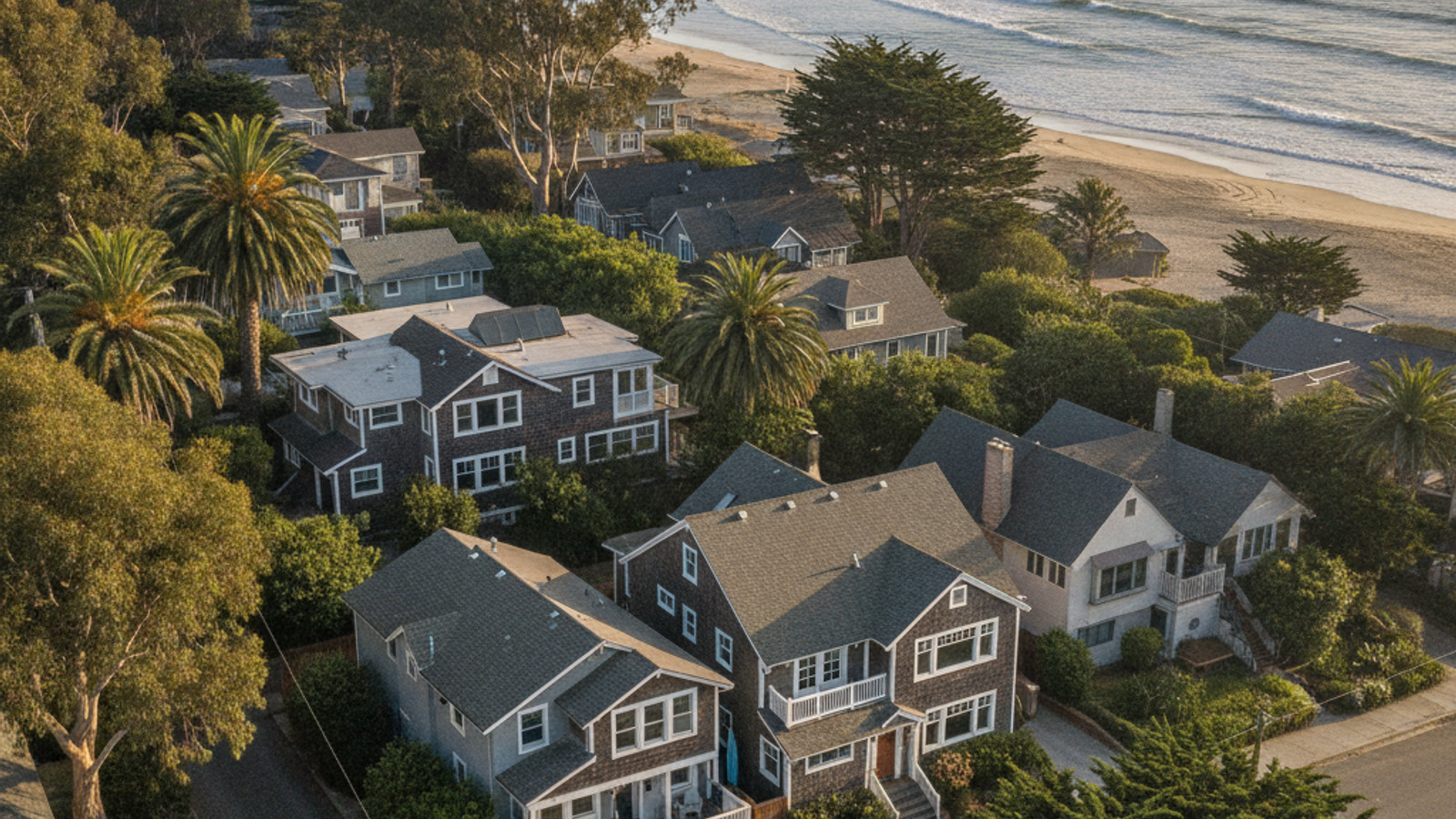
The coastal landscape of Central California offers unique opportunities for buyers looking at investing in Santa Cruz CA real estate. This market sits in a rare geographic pocket, bounded by the Monterey Bay to the south and the Santa Cruz Mountains to the north. Those natural borders severely limit new construction, creating a high-demand environment where existing inventory holds its value exceptionally well.
For buyers looking to build a portfolio, this city provides a distinct mix of tenant pools that drive consistent rental income. Proximity to major employment hubs and a prominent university ensures that rental properties rarely sit vacant for long. Navigating the local inventory requires understanding specific zoning laws and neighborhood dynamics to maximize your return on investment.
What Drives the Santa Cruz Real Estate Market?
Understanding the underlying economic engines of this coastal city is the first step in evaluating any property purchase. The local market relies on a combination of education, technology sector spillover, and natural geography to sustain housing demand.
The commute along Highway 17 directly connects the city to Silicon Valley, making it a viable home base for tech workers. These buyers and renters often seek the coastal lifestyle of living in Santa Cruz while maintaining access to major employers in San Jose and Los Gatos. This steady influx of well-compensated workers puts upward pressure on both home prices and rental rates.
On the local front, the University of California, Santa Cruz provides a massive, recurring tenant base. With thousands of students and faculty members needing off-campus housing each academic year, investors can rely on a highly predictable leasing cycle. Properties located near campus transit lines often secure leases months in advance of the fall quarter.
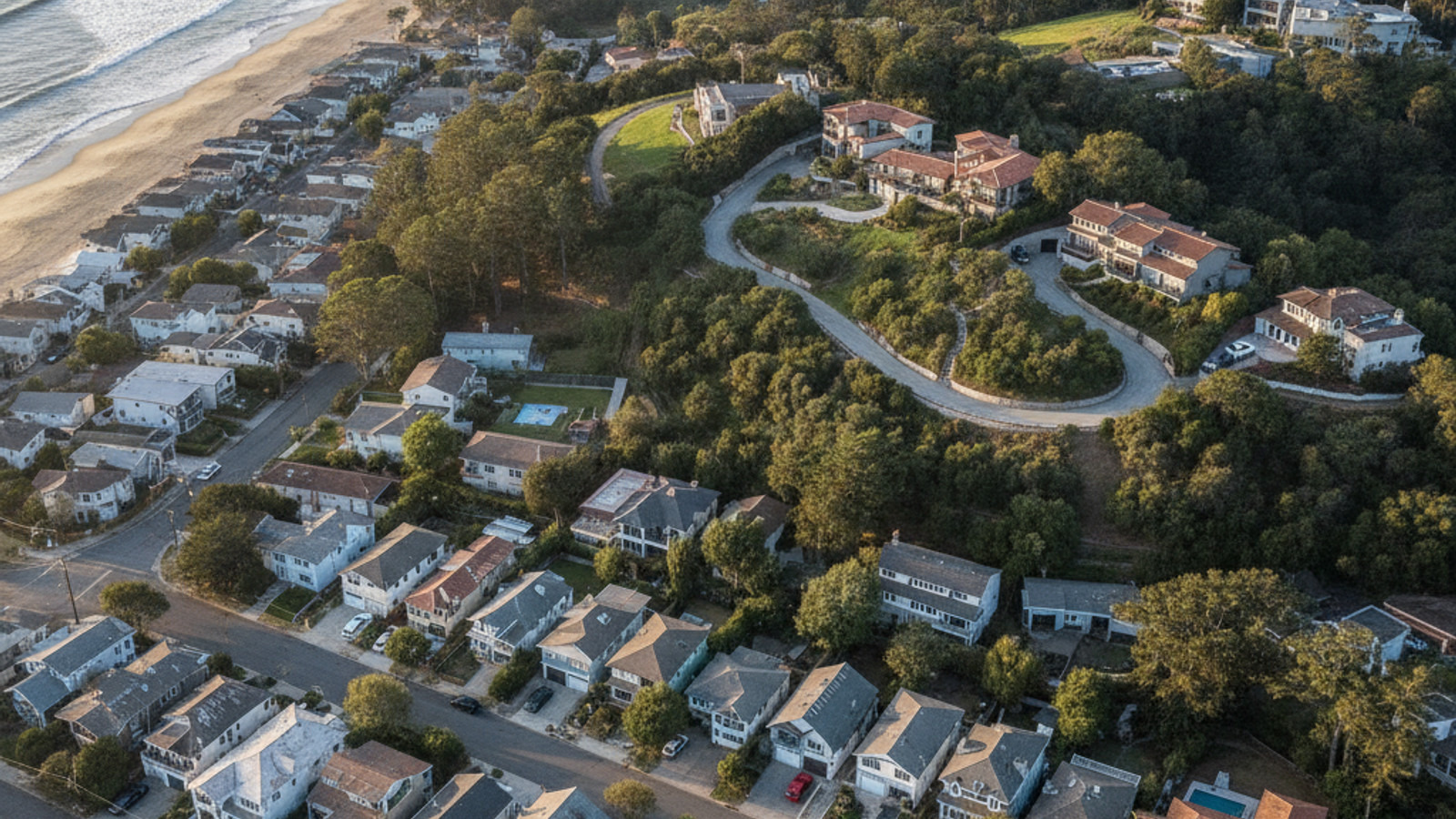
Beyond employment and education, the objective geographic features of the area solidify its real estate value. Access to renowned beaches, the Santa Cruz Harbor, and expansive state parks ensures long-term property appreciation. A smart investment here banks on the simple fact that you cannot manufacture more coastline.
Current Property Prices: Single-Family, Multi-Family, and Condos
Entering this market requires significant capital, as the baseline pricing reflects the area’s strict building constraints and high demand. When browsing homes for sale in Santa Cruz, buyers must carefully evaluate which asset class aligns with their available down payment and long-term cash flow goals.
While the initial purchase prices are steep, the historical appreciation rates provide a strong hedge against inflation. Diversifying across different property types can help balance a portfolio’s overall risk profile.
Here is an approximate breakdown of current entry points across different property types:
- Single-Family Homes: The median pricing for a standard detached house currently hovers in the $1,300,000 to $1,500,000 range. These properties offer excellent long-term appreciation but often require larger down payments to achieve positive monthly cash flow.
- Condominiums: Condos and townhomes serve as a more accessible investment vehicle, often pricing between $700,000 and $900,000. They appeal strongly to university staff or single renters, though buyers must account for monthly Homeowner Association fees in their ROI calculations.
- Multi-Family Properties: Duplexes and fourplexes typically start around $1,800,000 and scale upward based on unit count and condition. These assets provide immediate portfolio diversification and multiple income streams under a single roof.
Purchasing a multi-unit building often yields the best economy of scale for serious investors. The ability to consolidate maintenance costs while drawing rent from three or four separate households creates a much stronger buffer against unexpected vacancies.
Analyzing Santa Cruz Cap Rates and Rental Market Statistics
Evaluating the profitability of a local asset requires looking past the purchase price and analyzing the actual income potential. The rental market here operates at a premium, driven by a structural housing shortage and high tenant demand.
For multi-family investment properties, capitalization rates typically range between 4.15% and 7.18%. While these cap rates might seem modest compared to secondary markets in the Midwest, they are quite strong for a premier California coastal city. Investors here trade slightly lower initial yields for exceptional long-term asset appreciation and rent growth.
Average monthly rents for standard one-bedroom apartments currently range from $3,200 to $3,800, depending heavily on the specific neighborhood and proximity to the water. Larger single-family homes rented to groups of university students can generate significantly higher gross monthly revenues. This robust pricing power allows landlords to cover the high carrying costs of California real estate.
The local vacancy rate remains incredibly low throughout the year. Strong tenant demand from both the university population and local workforce means well-maintained properties lease up rapidly. The clear takeaway for buyers is that while cash flow may be tight in year one, the consistent ability to raise rents ensures long-term profitability.
Navigating Short-Term Rental Regulations and Zoning
Vacation rentals can generate massive seasonal revenue, but they operate under intense regulatory scrutiny in this region. Local governments have implemented strict ordinances to preserve long-term housing inventory.
In 2025, Santa Cruz County updated its regulations regarding non-hosted short-term rental permits. The county capped these non-hosted permits at just 270 total across all unincorporated areas. This hard limit means purchasing a property with the assumption that you can easily turn it into a full-time vacation rental is a highly risky strategy.
The City of Santa Cruz enforces even tighter restrictions within its municipal borders. The city is currently not issuing any new non-hosted permits, effectively freezing that specific investment avenue for new buyers. Hosted permits, where the owner lives on-site and rents out a portion of the property, are strictly capped at 250 active licenses.
Operators who do secure the proper licensing must also collect and remit an 11% Transient Occupancy Tax on their gross rental revenue. Navigating these zoning laws is the single biggest hurdle for vacation rental investors. The most secure strategy is to purchase properties that already hold transferable permits or to focus entirely on standard 30-day minimum leases.
Top Neighborhoods for Real Estate Investment
Location dictates both the type of tenant you will attract and the regulatory framework governing your property. The distinct micro-markets within the city offer very different operational advantages for landlords.
Choosing the right area requires balancing proximity to major amenities against the initial acquisition costs. Properties closer to the commercial centers tend to experience lower turnover rates among long-term renters.
Here are three of the most strategic areas for property acquisition:
- Westside: This area sits in close proximity to the UC Santa Cruz campus, making it a prime target for student housing investments. It also features thriving commercial zones and growing biotech hubs, attracting renters who want to live near their workplaces.
- Seabright: Located centrally, this neighborhood offers immediate access to the Santa Cruz Harbor and popular state beaches. The walkability to local restaurants and waterfront attractions allows landlords to command premium rental rates for standard leases.
- Live Oak: Situated just outside the main city limits, this coastal sector features distinct vacation rental designated zones. Because it falls under county jurisdiction rather than city rules, it has historically been a focal point for buyers navigating the complex short-term rental market.
Investors should focus their capital on the Westside if predictable, long-term leasing is the primary goal. The constant influx of university affiliates guarantees a tenant pool that refreshes like clockwork every single summer.
Active vs. Passive Investment Strategies
Managing a coastal property portfolio requires a deliberate choice between hands-on operation and delegated oversight. The strategy you choose will directly impact your daily time commitment and your net operating income.
Utilizing professional property management is the most effective way to generate truly passive income. A local property manager handles tenant screening, emergency maintenance, and legal compliance, which is crucial given California’s complex landlord-tenant laws. While management companies typically charge a percentage of gross rent, their expertise often prevents costly vacancy periods and legal missteps.
Investors must also weigh the stability of long-term rentals against the higher gross yields of vacation rentals. Standard 12-month leases provide predictable cash flow and require significantly less operational overhead. Conversely, short-term rentals can double your gross revenue during the summer months, but they demand constant cleaning coordination and strict adherence to local permit regulations.
When analyzing potential cash flow, buyers must factor in the reality of local property taxes and coastal maintenance. Ocean air accelerates wear and tear on exterior paint, roofing, and HVAC systems, requiring a larger reserve fund for capital expenditures. Partnering with a knowledgeable local realtor can help you accurately model these hidden costs before you close on a property.
Frequently Asked Questions
Is Santa Cruz a good place to invest in real estate?
Yes, it is a highly resilient market that offers excellent long-term appreciation and consistent tenant demand. The proximity to Silicon Valley employers and the steady influx of UC Santa Cruz students ensures a reliable renter pool. Investors benefit from a historically low vacancy rate that rarely exceeds the low single digits.
What is the housing problem in Santa Cruz CA?
The primary issue is a severe lack of housing inventory caused by strict geographic constraints and rigorous zoning laws. Because the city is boxed in by the ocean and the mountains, developers cannot easily build new subdivisions to meet the high demand. This chronic shortage keeps both property values and rental rates exceptionally high.
How do I finance an investment property in Santa Cruz?
Buyers typically utilize conventional investment loans requiring a 20% to 25% down payment to secure multi-family or single-family assets. Because a standard detached home averages around $1,400,000, investors often need substantial liquid capital to enter the market. Some buyers also leverage 1031 exchanges to roll equity from out-of-state properties into this high-appreciation coastal market.



Leave a Reply