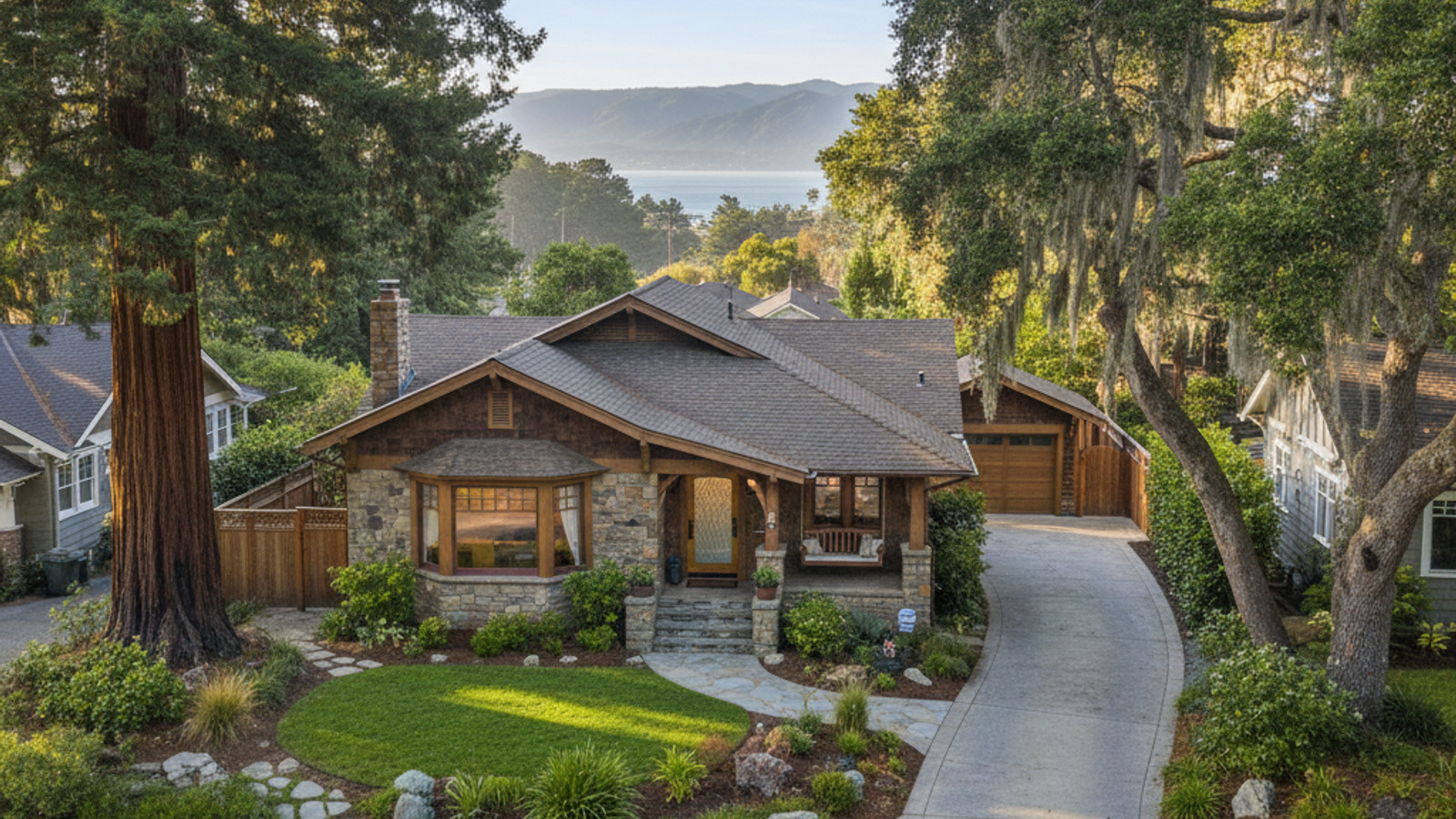
Purchasing property along the Central Coast requires a clear understanding of localized market statistics and carrying costs. Buyers researching the average cost of a home in Santa Cruz CA will quickly discover a market defined by high demand and limited geography. Navigating this landscape takes careful financial planning and a solid grasp of neighborhood pricing tiers.
The 2026 housing market presents a unique environment for those looking at living in Santa Cruz. Prices have stabilized after years of rapid appreciation, giving buyers a moment to evaluate their options without the pressure of extreme bidding wars. Working with a knowledgeable real estate agent is the best way to interpret these shifting local trends.
Current Real Estate Market Trends in Santa Cruz, CA
The Santa Cruz housing market has entered a period of stabilization after several years of volatile pricing peaks. Buyers looking at homes for sale in Santa Cruz will find a more predictable and balanced environment today.
Right now, the overall average home values across the county sit at approximately $1,300,000. Market forecasts for 2026 point toward a stable 0% to 4% growth rate rather than any steep drops in pricing. This steady appreciation means buyers can negotiate with a bit more leverage without fearing immediate equity loss.
Inventory levels have improved slightly over the past year, giving house hunters more options to tour on a given weekend. Properties are sitting on the market just a little longer, allowing for standard contingencies and thorough physical inspections. Understanding these baseline market statistics is crucial before writing a competitive offer.
Financing also plays a major role in how these purchase prices translate to monthly payments. With current interest rates hovering in the low 6% range, buyers must carefully calculate their purchasing power before viewing properties. Securing a loan pre-approval provides a realistic ceiling for your property search.
Single-Family Homes vs. Condos and Townhouses
Property type drastically changes your entry price into the local real estate market. Buyers will find distinct pricing tiers depending on the space and privacy they require.
- Single-family homes: Median prices range from $1,200,000 to $1,300,000, offering private lots and no shared walls.
- Townhouses: Generally priced between $750,000 and $900,000, serving as a middle ground with more square footage than an apartment-style build.
- Condominiums: Entry prices typically start around $700,000, though buyers must account for monthly HOA fees.
Choosing the right property style ultimately comes down to balancing your budget against your spatial needs. Attached housing often provides an easier way to secure a coastal location without the premium price tag of a detached house. Buyers should carefully review HOA documents to understand what exterior maintenance and utility costs are covered.
Location Features That Impact Property Values
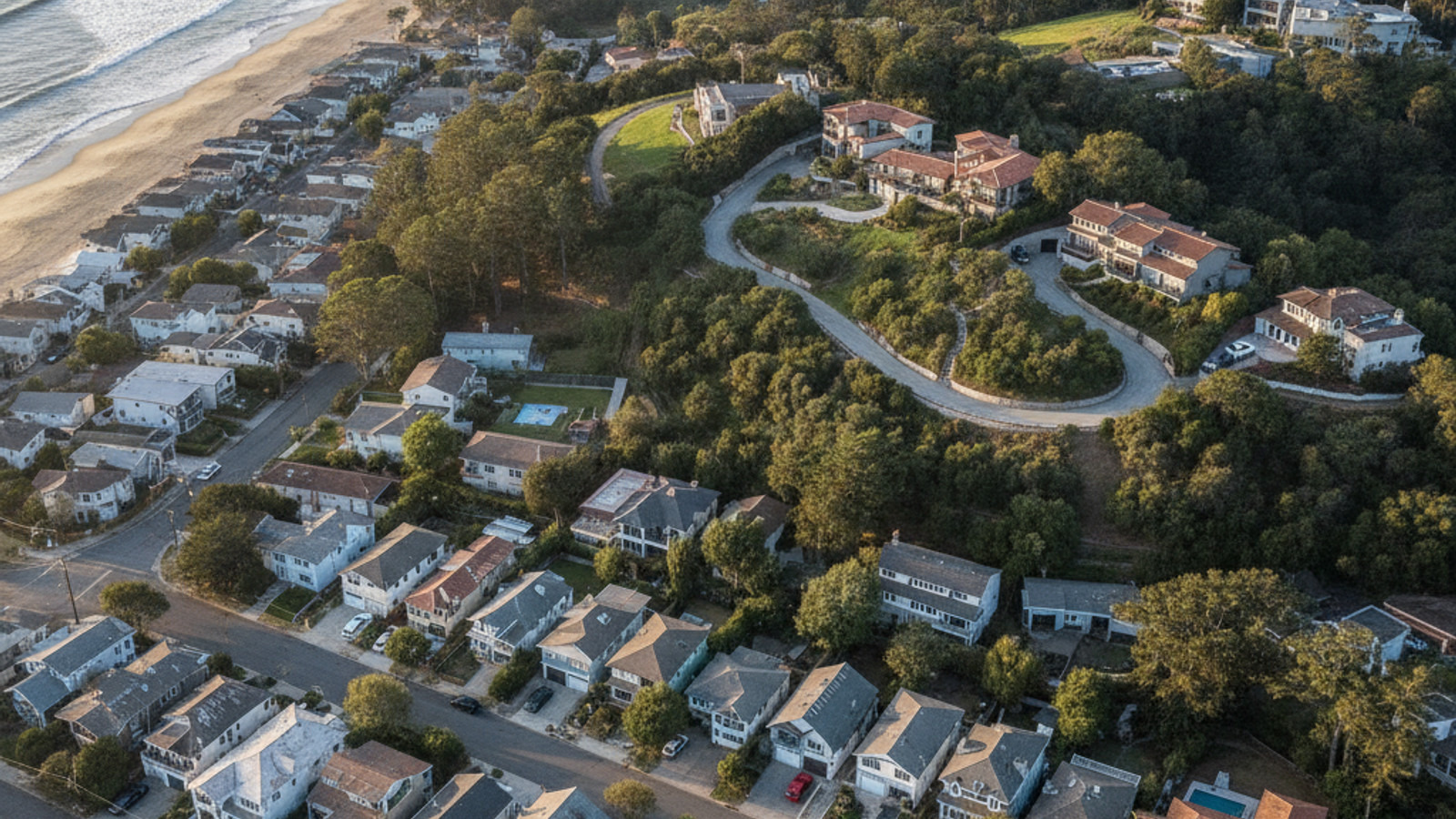
Geography plays a massive role in determining exactly how far your dollar goes in this coastal region. The micro-neighborhoods scattered from the ocean up into the Santa Cruz Mountains create vastly different pricing tiers. Elevation, lot usability, and road access all factor heavily into the final appraisal value of a property.
Commute times directly influence home valuations across the county. Properties that offer easier access to Silicon Valley via Highway 17 command a noticeable premium, as many residents travel over the hill for work. The closer a home is to this vital transportation artery, the higher the baseline value tends to be.
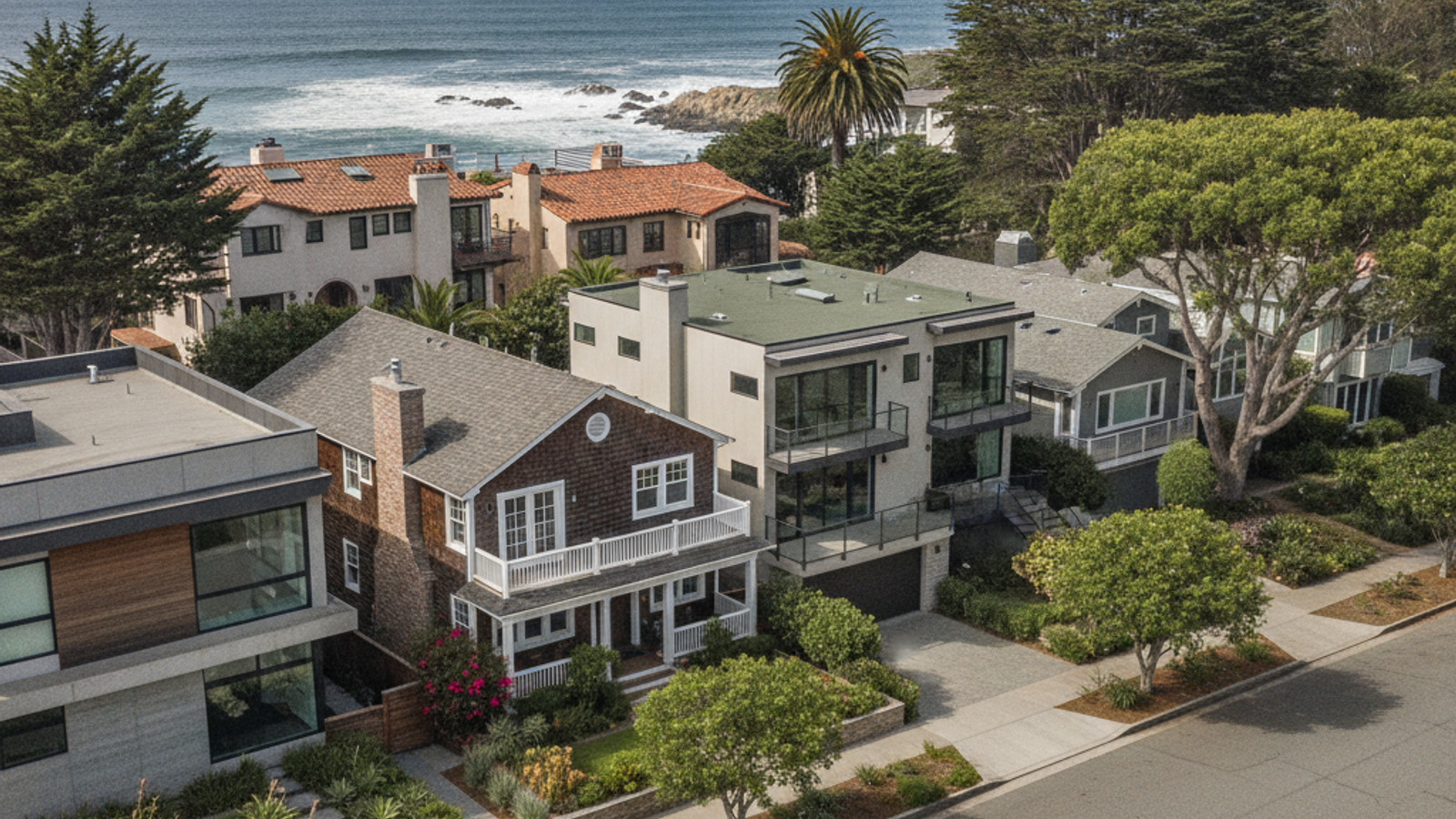
Coastal proximity drives up prices significantly within the central city limits. Homes located within walking distance of the water or the Santa Cruz Beach Boardwalk frequently sell at the very top of the market. Buyers must weigh the convenience of a shorter commute against the appeal of immediate beach access.
Public transit and local traffic patterns also factor into neighborhood desirability. Areas with streamlined access to main thoroughfares typically maintain stronger resale values over time. Minimizing daily driving time remains a top priority for most local buyers.
Proximity to Local Infrastructure and Amenities
Local infrastructure heavily dictates neighborhood pricing variations across the city. Boundaries within the Santa Cruz City Schools district are a major factor, with homes located within specific attendance zones seeing increased demand. Buyers often target certain streets just to ensure inclusion in a preferred school boundary.
Access to outdoor recreation further shapes property values in peripheral neighborhoods. Properties near Wilder Ranch State Park hold strong valuations due to the immediate access to extensive hiking and biking trails. The ability to easily reach these natural amenities justifies the higher price per square foot for many purchasers.
Essential services provide an objective value driver for properties situated in the central city. Proximity to major local healthcare facilities and shopping centers adds a layer of daily convenience that buyers are willing to pay for. Walkability to these core services consistently boosts property appraisals in urban neighborhoods.
Hidden Costs of Buying a Home in Santa Cruz
Securing a mortgage and closing on a property is only the beginning of your financial commitment. Buyers must look beyond the sticker price to understand the true monthly cost of living in Santa Cruz. Ongoing carrying costs can drastically alter your initial housing budget if not properly calculated.
Property taxes in California are governed by specific state laws, but local assessments still impact your bottom line. The average effective property tax rate for Santa Cruz County sits at approximately 0.63% to 0.65% of the assessed value. While this percentage is relatively low compared to the national average, it results in a substantial annual bill when applied to a $1,300,000 purchase price.
Homeowners insurance has become the most significant financial hurdle for buyers in recent years. Due to extreme wildfire risks, many properties in the mountain zones now rely on the California FAIR plan for basic coverage. These state-backed policies have surged in price, frequently costing between $10,000 and $20,000 annually.
This translates to an extra $800 to $1,600 or more per month just to keep the property insured. Lenders factor these massive insurance premiums into your debt-to-income ratio during the underwriting process. Buyers must verify insurance quotes early in escrow to ensure they still qualify for their mortgage under these strict conditions.
Standard closing costs also require significant cash reserves upfront. Buyers should anticipate paying for a professional real estate appraisal, title insurance, and various local transfer taxes before getting their keys. Budgeting an additional 2% to 3% of the purchase price for these closing fees is a necessary step in the buying process.
Frequently Asked Questions
What is the average value of a house in Santa Cruz CA?
The overall average home value in the county currently hovers around $1,300,000. Single-family homes typically command this higher median, while condos and townhomes offer lower entry points around $700,000 to $900,000. These figures reflect a stabilized market with expected annual growth of up to 4%.
Is it expensive to live in Santa Cruz, CA?
Yes, the overall cost of living in this coastal city is significantly higher than the national average. Beyond the million-dollar housing prices, residents face steep property taxes and California FAIR plan insurance premiums that can exceed $1,000 a month in high-risk zones. Buyers must budget carefully for these ongoing carrying costs.
How much do I need to make to buy a home in Santa Cruz?
To comfortably afford a $1,300,000 home at current interest rates in the low 6% range, household incomes generally need to exceed $250,000 annually. This income requirement ensures buyers can manage a standard 20% down payment mortgage while keeping their debt-to-income ratio within lender limits. High localized insurance rates can push this income requirement even higher for mountain properties.



Leave a Reply