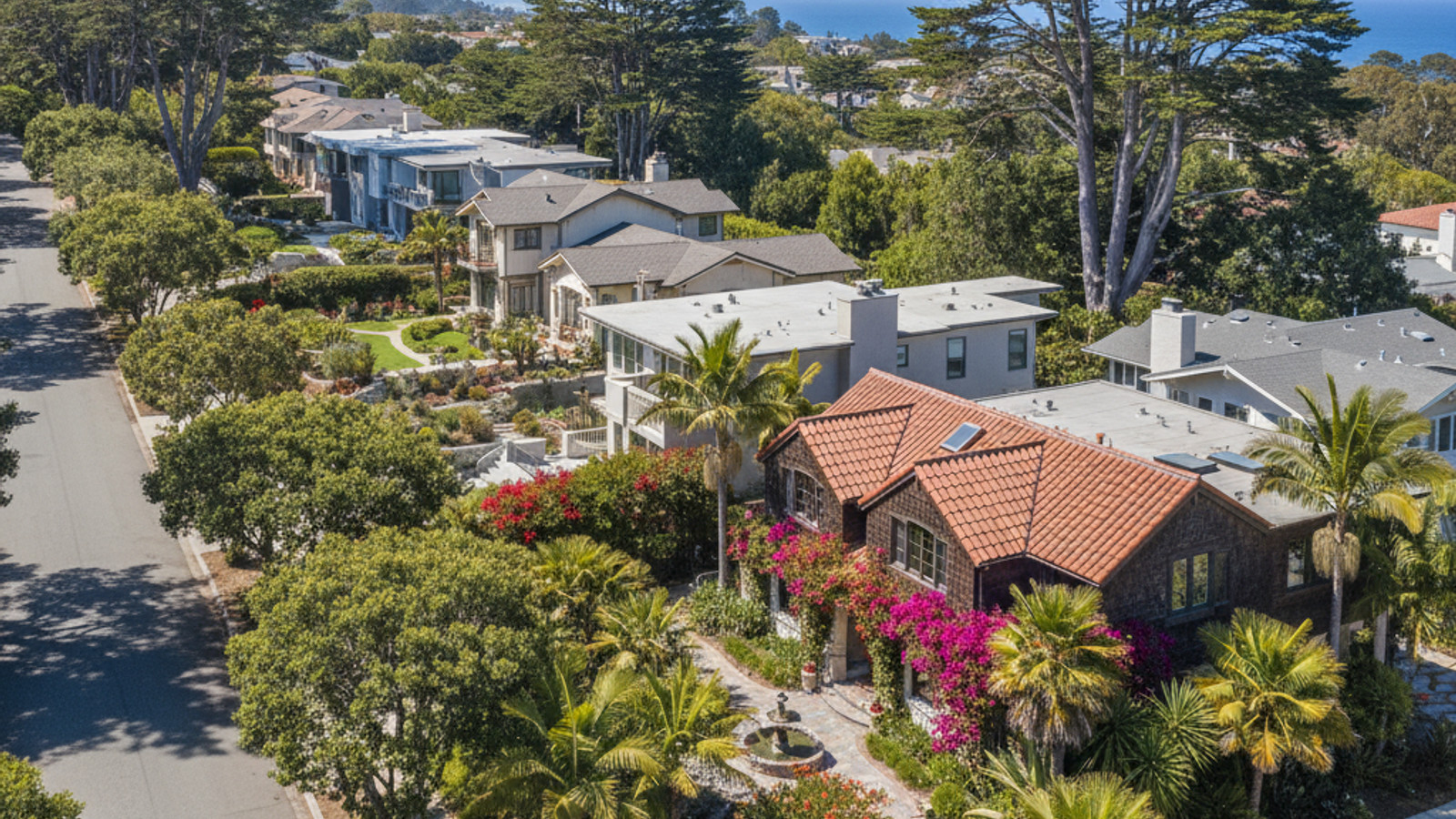
Selling a home along the Central Coast involves significant financial planning, especially when factoring in the costs of a real estate transaction. Homeowners preparing to list their properties need a clear understanding of current agent fees to accurately estimate their net proceeds. Knowing exactly where this money goes helps sellers make informed decisions during the listing process.
Recent industry shifts have changed how these fees are structured and negotiated upfront. Because local property values are substantial, even a slight difference in commission percentages translates to thousands of dollars at the closing table. Navigating these costs requires a firm grasp of current market standards.
Understanding the nuances of living in Santa Cruz helps sellers appreciate why local transactions require specialized expertise. A well-informed seller can better navigate the financial aspects of their home sale and confidently interview potential listing agents.
Average Real Estate Commission Rates in Santa Cruz
The average total real estate commission rate in Santa Cruz and across California is approximately 5.47%. This percentage represents the combined fee paid to both the listing brokerage and the brokerage representing the buyer. Understanding this baseline is a critical first step for anyone preparing for a home sale.
Traditionally, this total is split into a 2.73% listing agent fee and a 2.74% buyer’s agent fee. These figures provide a reliable starting point for sellers when evaluating listing agreements and comparing different brokerage models. While the local rate aligns closely with the broader California market, it reflects the specialized knowledge required to navigate coastal real estate transactions.
Under the 2026 National Association of Realtors regulations, the process of negotiating these fees has become much more transparent. Sellers now negotiate the listing fee and any potential buyer broker compensation separately before the property ever hits the open market. This regulatory shift places more control directly in the hands of the homeowner.
Agents must account for unique local zoning laws and environmental regulations when pricing their services. The fees they charge reflect the time, resources, and liability they assume when taking on a new listing.
Property Types and Total Commission Costs
Applying the average commission percentage to actual local sale prices helps clarify the financial commitment required to sell a home. Santa Cruz features a wide range of housing options, from coastal condominiums to sprawling single-family estates. Because agent fees scale directly with the final sale price, the total cost varies significantly depending on the type of property you own.
Seeing these figures written out often prompts sellers to carefully evaluate the value their chosen brokerage brings to the table. The goal is to ensure the marketing strategy justifies the final deduction on the settlement statement. Sellers do not pay these fees out of pocket prior to listing the home.
Instead, the title company deducts the agreed-upon commission directly from the seller’s final proceeds at closing. Here is how the average 5.47% rate looks when applied to typical local properties:
- A median single-family home in Santa Cruz is priced around $1,237,500, resulting in roughly $67,691 in total commission fees.
- A median coastal condo in the area is priced near $692,500, which translates to about $37,880 in total commission.
- A luxury estate in the surrounding hills priced at $2,500,000 generates approximately $136,750 in total brokerage fees.
What Services Justify Realtor Fees in Santa Cruz?
Selling property in a high-priced coastal market requires comprehensive, multi-channel marketing to attract qualified buyers. The commission fee compensates the brokerage for the upfront financial risk and the extensive labor required to manage a complex transaction. Agents invest their own capital into preparing a home for the market long before a buyer is found.
Full-service agents mitigate legal risks by managing heavy disclosure paperwork specific to California real estate. They also handle the critical logistics of scheduling real estate appraisals, coordinating property inspections, and managing the escrow timeline. California mandates an exhaustive list of seller disclosures, particularly for homes located in coastal or forested zones.
An experienced agent ensures every form is completed accurately, shielding the homeowner from future litigation. Beyond paperwork, a seasoned listing agent serves as a buffer during intense price negotiations. They objectively evaluate incoming offers, parse through complex contingency requests, and advocate for the seller’s best financial interests.
A skilled agent acts as a project manager, ensuring every contractual deadline is met while keeping the transaction legally compliant. This level of oversight protects the seller from costly post-sale liabilities.
Standard Real Estate Services Included
Every full-service listing agent provides a foundational set of marketing and logistical services designed to maximize property exposure. Modern buyers begin their search online, making digital presentation a critical component of any listing strategy. A premium digital footprint directly influences how many buyers request an in-person tour.
These professionals cover the upfront costs for high-end visual assets, including professional photography, drone footage, and 3D virtual tours.
- Listing the property on the local Multiple Listing Service to ensure maximum syndication across all major real estate platforms displaying homes for sale in Santa Cruz.
- Hosting open houses and scheduling private tours for interested parties.
- Screening buyer financials to verify pre-approval status and proof of funds before accepting an offer.
Marketing Objective Local Features
Top agents leverage specific, objective Santa Cruz geographic attributes to maximize the final sale price. Highlighting proximity to UC Santa Cruz is a proven strategy to appeal to real estate investors and university staff looking for nearby housing. Properties located near the campus often attract buyers looking for long-term hold opportunities.
Agents also emphasize commute efficiency via Highway 17 for buyers who work in Silicon Valley but prefer a coastal lifestyle. The commute over the mountains is a major consideration for buyers currently renting in San Jose or Santa Clara. Emphasizing easy access to this primary transit corridor adds tangible value to the property listing.
Showcasing immediate access to outdoor recreation, such as the trail systems at Wilder Ranch State Park, helps differentiate a listing. Marketing campaigns are frequently tailored to target buyers specifically searching for properties located within the Santa Cruz City Schools district boundaries. Highlighting these factual location benefits helps justify premium pricing.
How to Negotiate Your Real Estate Commission
Homeowners have the right to negotiate commission structures before signing an exclusive right-to-sell agreement. The most effective approach is to interview multiple local agents to compare their proposed rates against their specific marketing plans. The best time to negotiate these terms is during the initial listing presentation before any contracts are drafted.
Sellers hold the most leverage at this stage and can openly discuss their budget expectations. If a property is in pristine condition and requires minimal marketing, sellers might consider alternative models. Flat rate brokerages or 1% listing agents offer streamlined services that can significantly reduce the overall cost of selling a home.
Sellers must also carefully negotiate the buyer’s agent concession. Offering a competitive percentage can incentivize agents to show the property, but reducing this concession is a viable way to save money on the total transaction. It is important to remember that the cheapest agent is not always the most profitable option for the seller.
A full-service agent who commands a higher fee might ultimately secure a higher final sale price through superior negotiation and marketing reach. Evaluating the net proceeds rather than just the commission percentage is the smartest way to approach the sale.
Frequently Asked Questions
Do Santa Cruz sellers still pay the buyer’s agent in 2026?
Sellers are no longer required to offer compensation to the buyer’s agent, though many still choose to do so as a marketing strategy. Offering a concession of around 2.74% can help attract buyers who might otherwise struggle to cover their own agent’s fees out of pocket.
What is a discount real estate broker?
A discount broker typically charges a reduced listing fee, such as a 1% percentage or a set flat rate, rather than the traditional 2.73%. These brokerages often provide basic services like MLS entry and standard photography, making them a cost-effective choice for homes priced near the $1,237,500 median that do not need extensive marketing.
Can you negotiate realtor fees in California?
Yes, real estate commissions are not fixed by law and are entirely negotiable between the seller and the brokerage. While the local average hovers around 5.47%, sellers can negotiate both the listing side and the buyer side based on the specific services required to sell the home.



Leave a Reply