Santa Cruz carries a median home sale price of roughly $1,462,500 – numbers that make the coastal market a serious undertaking for most buyers. If you’ve been looking at the best neighborhoods in Santa Cruz and keep getting outbid, there’s a reason a lot of people shift their attention to Live Oak. It sits between the city of Santa Cruz and Capitola, unincorporated county land that tends to get overlooked in the initial search but rewards buyers who take the time to understand it.
Understanding what you’re actually buying here matters more than in most places. Live Oak falls under county jurisdiction, not city limits, which changes how everything from short-term rental permits to building approvals works. That’s not a warning so much as a basic orientation – the kind of thing you want to know before you’re three weeks into escrow.
An Overview of Live Oak in Santa Cruz
Live Oak is an unincorporated area of Santa Cruz County, not a city or an incorporated town. Its commercial and social center clusters around the intersection of 17th Avenue and Brommer Street.
There’s no single landmark that defines the neighborhood the way the Boardwalk defines downtown Santa Cruz, though community spaces like Chanticleer Avenue County Park give it some grounding. The Santa Cruz Beach Boardwalk and the surf breaks of Pleasure Point are both right there – coastal access is immediate, not theoretical.
Location and Housing Character
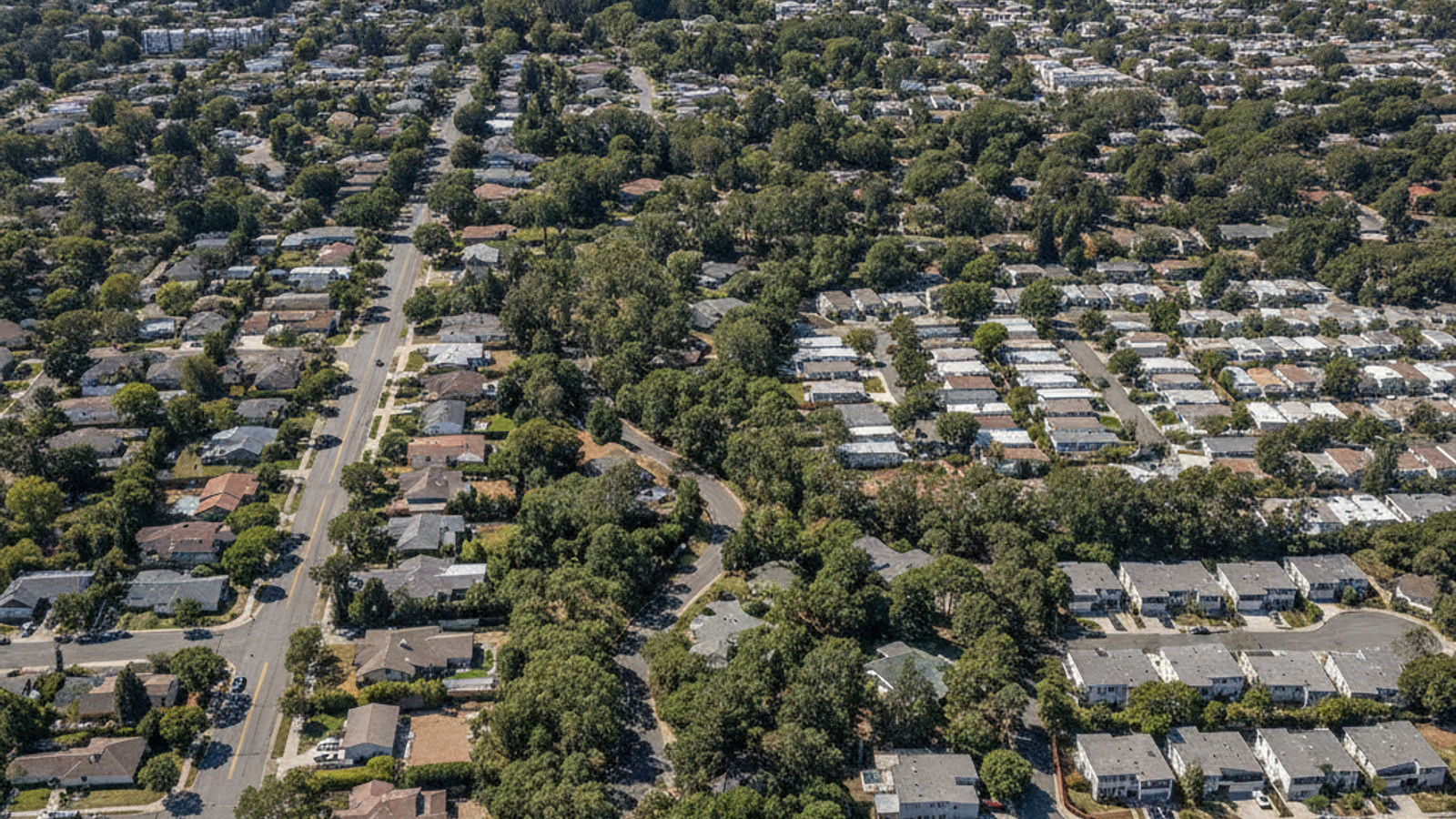
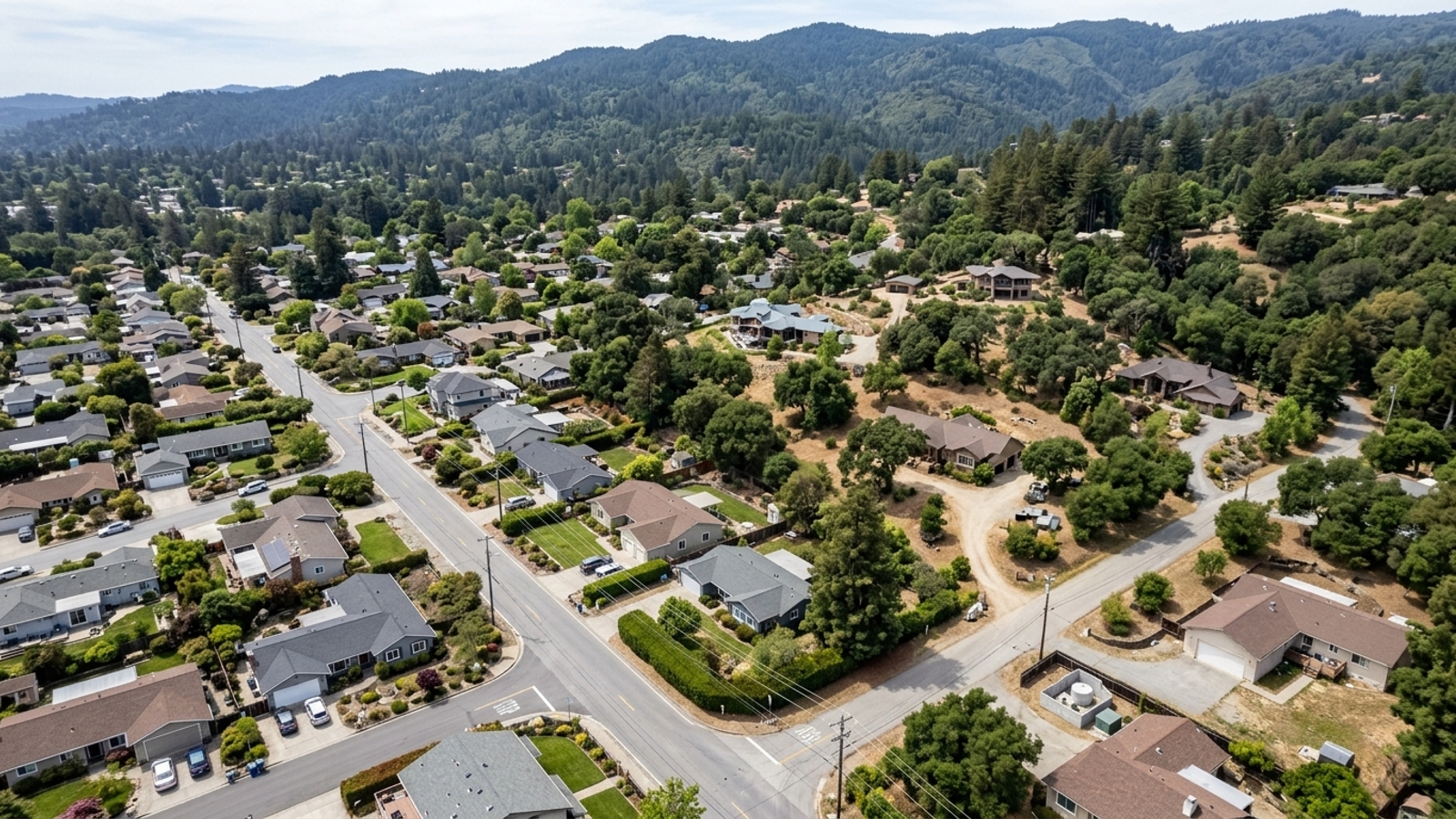
The housing mix in Live Oak runs the full range: single-family homes, townhouses, and mobile home parks all coexist here. It sits inland from the immediate coastline but the water is never far.
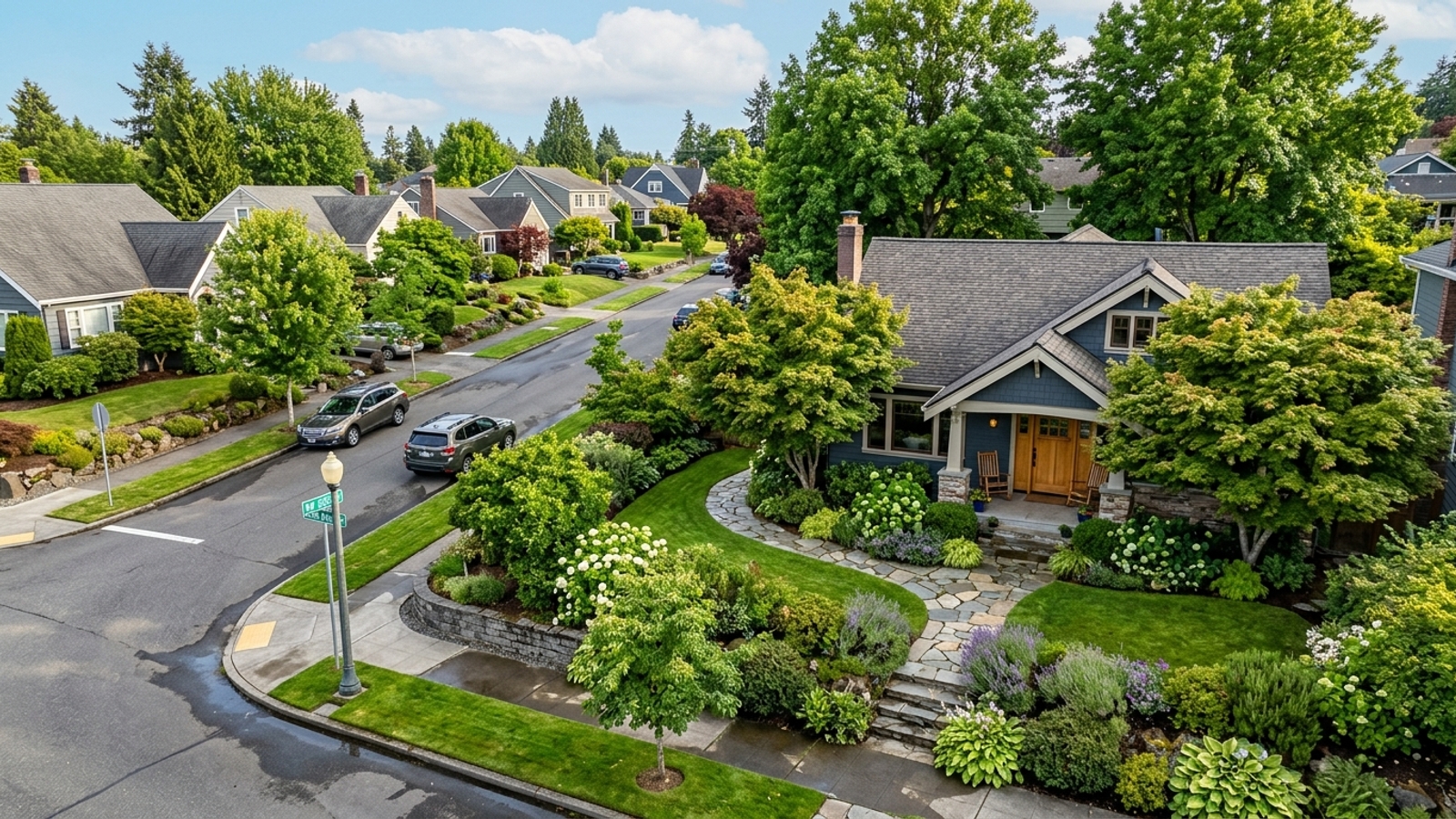
Most of what you’ll find is mid-century construction alongside newer development. Streets alternate between grid layouts and cul-de-sacs, and the older blocks have the kind of mature tree cover that takes decades to grow.
Where Live Oak Fits in the Region
When buyers search organically, the neighborhoods that come up alongside Live Oak are Pleasure Point, Soquel, Capitola, and the Santa Cruz Eastside. Pleasure Point is the closest comparison – it’s the beachside version, anchored by a dense shopping district at 41st Avenue and Portola Drive.
Most buyers end up comparing these areas directly. The inland portions of Live Oak generally price differently than waterfront properties in Capitola or Pleasure Point, which is worth keeping in mind as you build your search.
Real Estate Prices and Property Types
Across the broader Santa Cruz market, homes are spending about 15 days on the market and selling at an average sale-to-list ratio of 101.3%. That’s not a soft market. Buyers who show up without financing in place tend to find out the hard way.
The housing stock runs from compact starter homes to larger updated properties. The price range is real, but so is the competition.
Current Pricing and Market Activity
The Santa Cruz-wide median sits around $1.46 million, but Live Oak operates in a somewhat different bracket. Historical data from 2025 shows single-family homes in Live Oak pricing between $1.0 million and $1.25 million.
Some guides from earlier this year put figures closer to $800,000 for the inland portions, excluding the Pleasure Point border where prices climb. Either way, expect competition – about 37.5% of homes in the broader region sell above list price.
Housing Stock and Home Styles
You’re looking at a combination of detached single-family houses, condominiums, and mobile homes. Condominiums come with HOA dues, which should factor into your monthly math before you fall in love with a unit.
New construction is limited. Most of what’s on the market is established housing – some of it already renovated, some of it still waiting for the right buyer to take it on.
Daily Life: Dining, Shopping, and Commuting
State Route 1 and State Route 17 are your main arteries out of the neighborhood. Route 1 runs the coast, Route 17 cuts inland toward San Jose and the Bay Area. Local traffic moves through 17th Avenue, Soquel Avenue, Portola Drive, East Cliff Drive, Capitola Road, and Brommer Street.
A car is necessary for most daily errands. The terrain is flat enough that cycling works for shorter trips, but you’re not giving up the car entirely.
Restaurants and Grocery Options
Live Oak has genuine neighborhood staples – the Silver Spur diner has been there long enough that regulars have regulars, and El Jardin handles the Mexican food. The Live Oak Farmer’s Market runs every Sunday.
There’s no indoor mall here. Groceries come from nearby Trader Joe’s, Whole Foods, and Safeway. For retail, most residents cross into the Pleasure Point district at 41st Avenue and Portola Drive – sushi bars, coffeehouses, surf and skate shops, thrift stores. It gets the job done.
Transit Routes and Getting Around
Route 1 handles north-south coastal commuting. Route 17 is the connection to San Jose.
Summer and weekends bring real congestion along East Cliff Drive and Portola Drive – beach traffic is predictable and relentless. People who’ve lived here a while use Brommer Street as the inland bypass when tourist season turns the coastal roads into a waiting game.
Schools, Healthcare, and Local Weather
Dignity Health – Dominican Hospital sits directly within the Live Oak neighborhood, which makes it both a healthcare anchor and a significant local employer. Medical staff actively look for housing nearby, which is part of what keeps demand in this area consistent.
Emergency and specialized care are essentially in the neighborhood. That’s not nothing.
School Districts Serving the Area
Public elementary and middle school students are served by the Live Oak School District, with district offices at 1777-A Capitola Road in Santa Cruz. Campuses in the area include Live Oak Elementary, Del Mar Elementary, Green Acres Elementary, Shoreline Middle School, and Tierra Pacifica Charter. For high school, students typically head to Soquel High School.
Local Climate and Weather
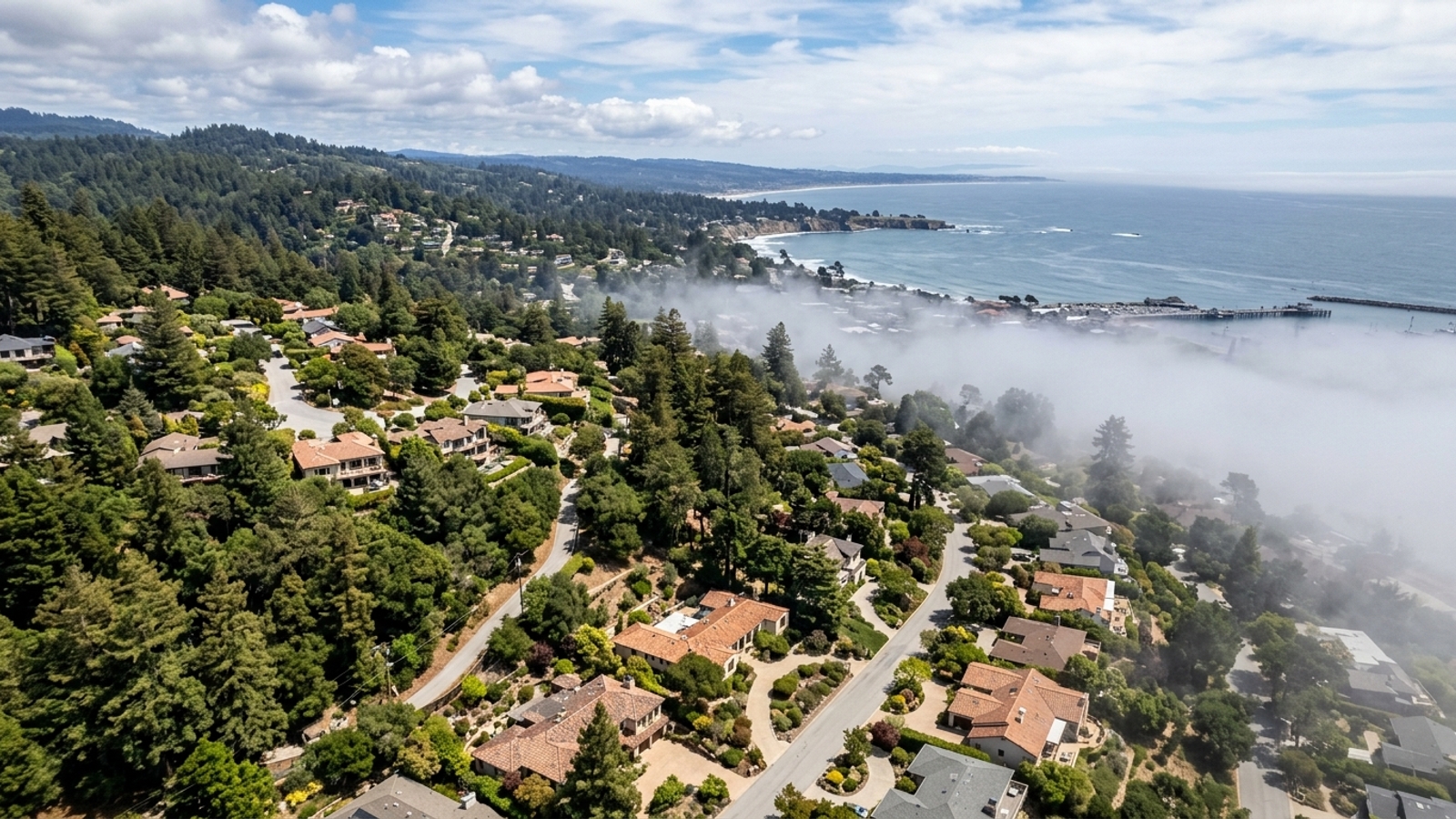
The climate here is classic coastal microclimate. Morning fog rolls in, burns off by early afternoon, and you get clear skies for the rest of the day – on repeat, most of the year.
Temperatures stay moderate year-round. It rarely drops below freezing in winter, and the mid-80s is about as warm as it gets in summer. Most homes here don’t need serious heating or air conditioning systems, which affects both utility costs and what you’ll find when you’re evaluating older properties.
Short-Term Rentals and Investment Properties
This is where Live Oak’s unincorporated status has direct financial consequences. Because it’s county land, short-term rental rules here come from Santa Cruz County – not the City of Santa Cruz‘s municipal ordinance. The two are different, and confusing them is an expensive mistake.
You can rent part or all of your home for less than 30 days, but you must have the right permit. The county issues two types: Hosted Rentals, where the owner occupies one bedroom while renting one to three others, and Non-Hosted or Vacation Rentals for entire homes.
Vacation Rental Permits and Rules
In 2025, the Board of Supervisors advanced new limits on the rental market. Non-hosted permits are now capped countywide at 270, and individuals or entities are limited to holding one vacation rental permit.
The rules also allow onsite inspections for all new short-term rental properties. If you convert a long-term rental unit into a short-term rental, you owe the evicted tenants six months of rent. That’s not a technicality – it’s a real line-item in your investment math.
Evaluating Income Properties
Before you close on anything with rental income in mind, verify the property’s permit status. Existing permits don’t automatically transfer to a new owner in every situation, and the county cap makes acquiring new non-hosted permits genuinely difficult right now.
If you’re buying a second home with the intent to rent it part-time, talk to a local property manager before you get attached to a set of numbers. The permit waitlists and tax implications will determine whether the deal actually works.
Buying a Home in Live Oak
Active inventory across the broader Santa Cruz market sits at about 61 homes, and the region is running at roughly 2.5 months of supply. Sellers are in a strong position and they know it.
Move fast, have your financing sorted before you start touring, and work with an agent who actually knows the county boundaries. Whether a property sits in the City of Santa Cruz, Capitola, or unincorporated Live Oak isn’t just a technical detail – it determines which regulations govern your purchase, your permits, and your rental options.
Frequently Asked Questions
Can I buy a home in Live Oak and use it as a short-term vacation rental or Airbnb?
Yes, but you must secure a permit from Santa Cruz County, and non-hosted vacation permits are capped at 270 countywide. The county limits owners to one vacation rental permit per person or entity, and converting a long-term rental into a short-term rental requires paying evicted tenants six months of rent.
Is it generally more affordable to buy real estate in Live Oak compared to the city limits of Santa Cruz or Capitola?
It depends on the specific street and property type. Inland portions of Live Oak have seen median prices around $800,000 to $1.25 million, which is lower than the broader Santa Cruz median of $1.46 million.
How does Live Oak’s status as an unincorporated area of Santa Cruz County affect property taxes and building permits?
Because it’s unincorporated, Live Oak falls under county jurisdiction rather than city municipal control. All building permits, zoning approvals, and short-term rental regulations are handled by Santa Cruz County offices – not the City of Santa Cruz.
Will I be required to carry special flood or coastal insurance when buying a house in the lower Live Oak or Pleasure Point areas?
It depends on the specific property. Live Oak sits inland from the immediate coastline but borders the Santa Cruz Beach Boardwalk and Pleasure Point surf breaks, so you’ll want to verify the specific parcel’s elevation and county zoning before assuming either way.
If I want to remodel or expand a home in Live Oak, will my project require approval from the California Coastal Commission?
It depends on the property’s exact location. That said, all standard building permits and remodeling approvals run through Santa Cruz County, since Live Oak is unincorporated and outside city limits.
How fast do single-family homes typically go under contract in the Live Oak market compared to the rest of Santa Cruz?
Quickly. Across the broader Santa Cruz market, homes spend a median of 15 days on the market before going under contract.

Leave a Reply