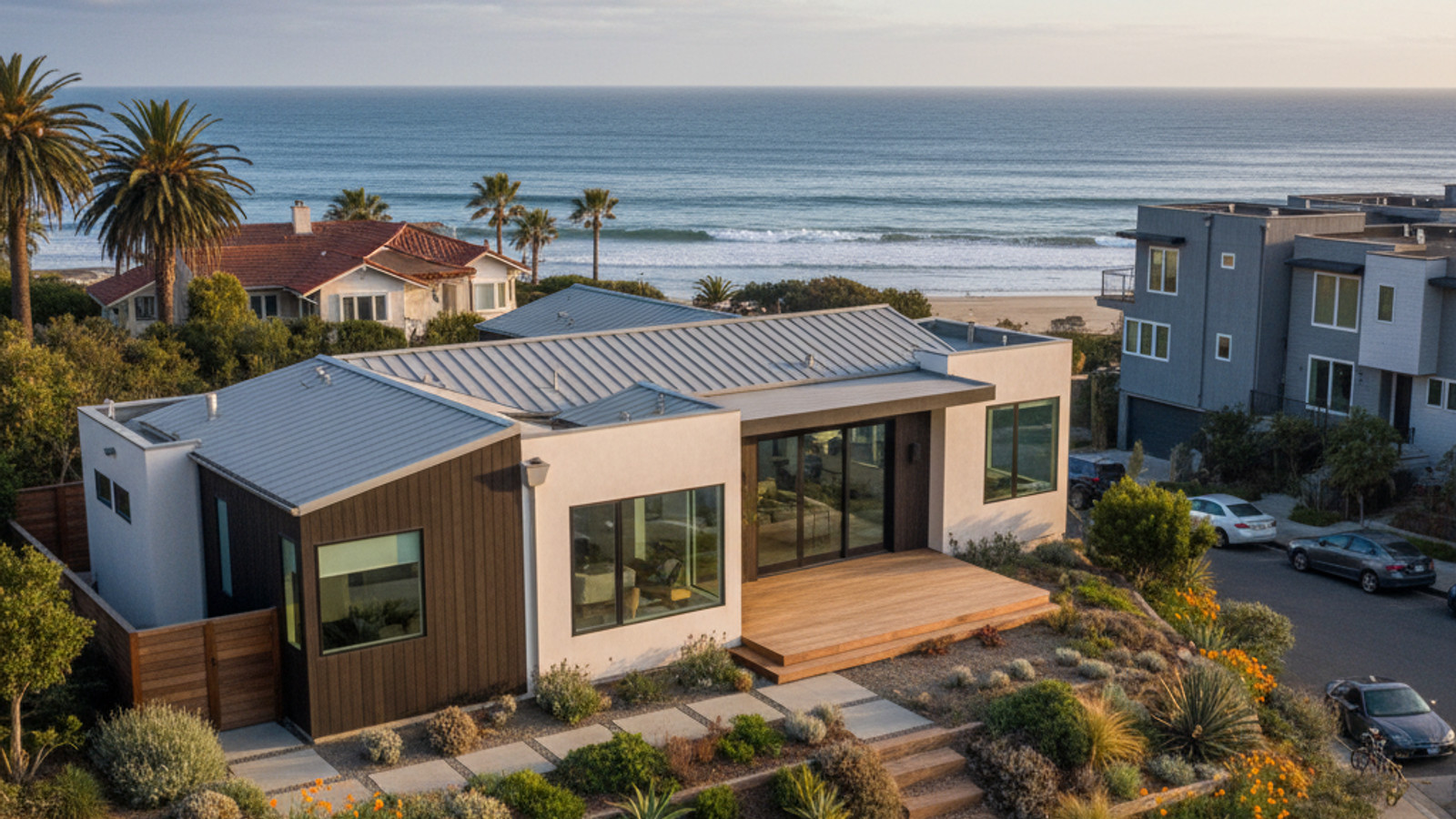
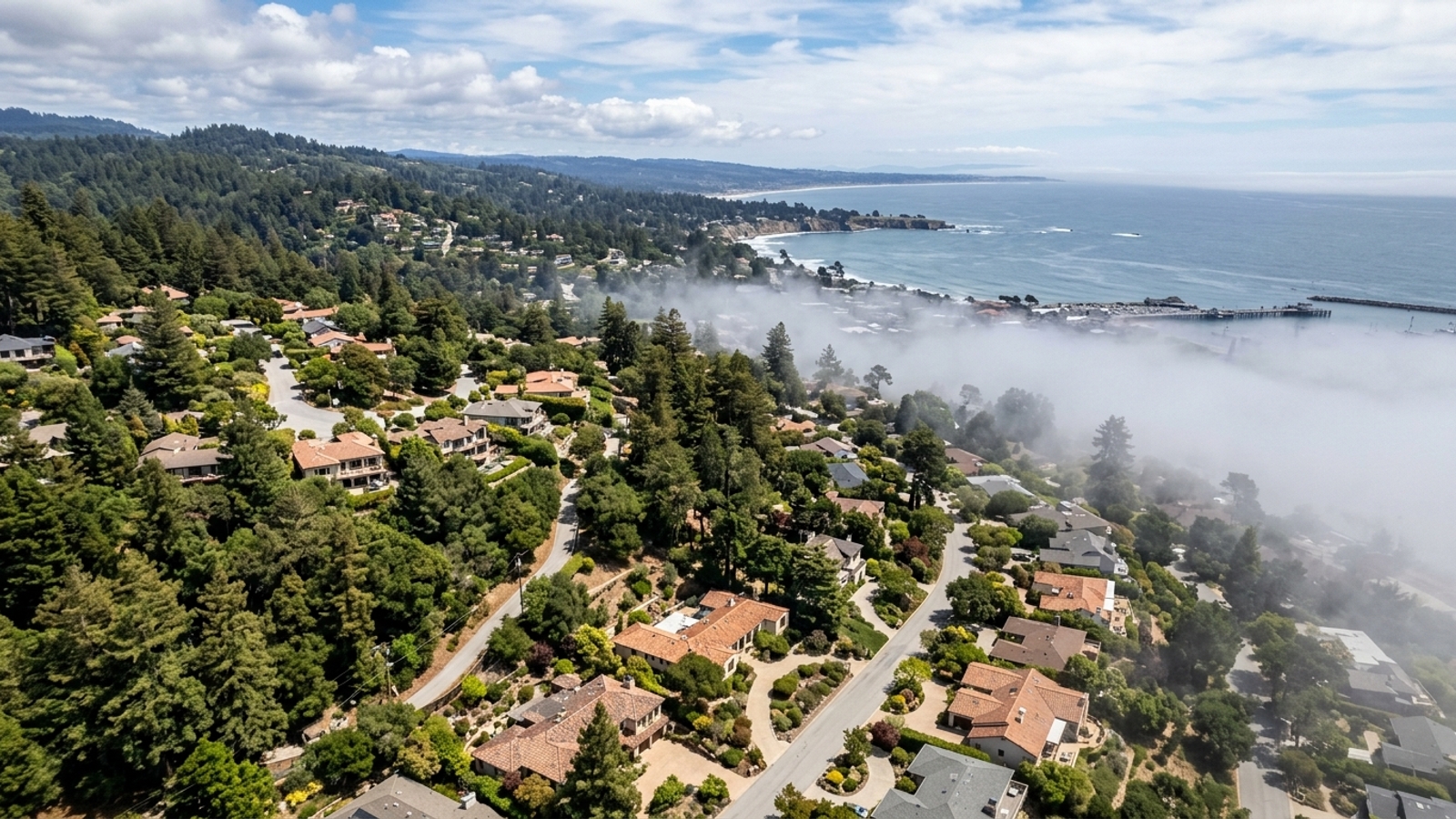
Welcome to the dynamic coastal neighborhood of the Far Westside, where a legendary surf culture seamlessly blends with a thriving commercial scene. Buyers looking at the Central Coast are consistently drawn to this area for its sweeping Pacific Ocean views and laid-back local business environment. The neighborhood offers an established community infrastructure that supports a highly active outdoor lifestyle.
Moving to this part of Santa Cruz County means gaining immediate access to iconic coastline, top-tier mountain biking trails, and a vibrant culinary district. This guide covers everything prospective buyers need to know about navigating the local landscape in 2026. From current real estate trends and local schools to commute times and neighborhood amenities, understanding these details is crucial for making a confident property investment.
Current Real Estate Market Trends in Westside Santa Cruz
The 2026 housing market on the Westside presents a stabilizing environment compared to the rapid fluctuations seen in previous years. Across Santa Cruz County, active inventory is holding steady at approximately 450 to 500 listings, giving buyers more breathing room to evaluate their options. Current median list prices for Westside properties generally range from $1,500,000 to $2,300,000, depending heavily on proximity to the water.
Housing stock in this neighborhood primarily consists of coastal single-family homes, with a smaller mix of townhouses and condominiums available near the main commercial corridors. With mortgage interest rates stabilizing in the low 6% range this spring, buyers are calculating their purchasing power with much more certainty. The clear takeaway for today’s market is that buyers are placing a massive premium on move-in-ready properties.
This preference for turn-key homes is directly tied to regional construction costs and localized insurance requirements. Properties that already feature modern fire hardening and updated electrical systems command top dollar and move off the market quickly. Buyers should budget extra time during the inspection period to verify these structural updates before finalizing an offer.
Parks, Recreation, and Outdoor Activities
The natural amenities surrounding the Westside provide residents with immediate access to some of the most celebrated outdoor spaces in CA. Natural Bridges State Beach anchors the coastline here, offering expansive sand and famous tide pools that draw nature enthusiasts year-round. Just up the coast, the walking and cycling paths along West Cliff Drive deliver unobstructed ocean views and direct access to the legendary surf breaks at Steamer Lane.
Inland recreation is equally robust, defined by expansive open spaces and protected habitats. Wilder Ranch State Park and the Moore Creek Preserve offer miles of rugged trails specifically favored for hiking and mountain biking. These protected lands ensure that the natural buffer between the city and the Santa Cruz Mountains remains intact.
For those interested in marine education, the Seymour Marine Discovery Center provides an interactive look at the local aquatic ecosystem right on the coastal bluffs. Having these world-class recreational facilities within walking or biking distance is a primary reason real estate values remain so resilient here. Buyers are not just purchasing a home – they are securing access to a premier coastal playground.
Local Amenities: Dining, Shopping, and Breweries
The commercial landscape of the Westside has transformed into a highly walkable district centered around the Swift Street and Mission Street corridors. The Swift Street Courtyard serves as the neighborhood’s primary hub, housing an impressive concentration of craft beer taprooms, boutique retail, and local eateries. Establishments like Santa Cruz Mountain Brewing and Kelly’s French Bakery have become neighborhood staples that anchor this bustling commercial zone.
Coffee culture is a major component of daily life here, with Verve Coffee Roasters operating a popular cafe that keeps the local workforce fueled. Beyond the artisanal offerings, Mission Street provides essential everyday conveniences, including the New Leaf Community Market for organic groceries and local produce. This blend of specialty dining and practical retail makes it easy for residents to handle all their shopping without leaving the neighborhood.
The area is also distinguished by its growing collection of urban tasting rooms showcasing wines from the nearby Santa Cruz Mountains. This concentration of local business creates a self-sustaining local economy that adds tremendous functional value to nearby homes. Properties located within a half-mile of these commercial hubs consistently see higher demand from buyers prioritizing neighborhood walkability.
Schools and Education on the Westside
Educational infrastructure is a major focal point for the Westside, anchored by the Santa Cruz City Schools district. The neighborhood features several public elementary schools that feed into comprehensive college prep pathways at the secondary level. Physical proximity to these campuses is a common priority for buyers evaluating different residential pockets within the zip code.
A significant development for the local educational community is the $80 million workforce housing project on Swift Street. Breaking ground in March 2026, this 100-unit complex is specifically designed to support local educators and staff. This major infrastructure investment highlights the district’s commitment to retaining educational talent in a high-cost real estate market.
Higher education also shapes the neighborhood’s identity, thanks to the presence of the University of California, Santa Cruz (UCSC). The university’s Coastal Science Campus sits right on the edge of the Far Westside, integrating advanced marine research facilities into the local landscape. This academic presence brings robust employment opportunities and specialized facilities directly into the community.
Commute Times and Transportation Options
Navigating the city and the broader Central Coast is relatively straightforward from the Westside, though buyers should plan for standard coastal traffic patterns. The neighborhood offers direct access to California State Route 1 (Highway 1), which serves as the primary artery connecting the area to the greater San Francisco Bay Area and Silicon Valley. While the terrain near the water is famously flat and ideal for cycling, commuting over the mountains requires factoring in elevation and weather.
The local infrastructure heavily supports alternative transportation, featuring dedicated bike lanes that make two-wheeled travel highly efficient. For those commuting regionally, average travel times hover around 36 minutes, though this varies significantly depending on the exact destination and departure time.
Understanding the local transit layout helps buyers choose the right micro-neighborhood for their daily routine. Key transportation features for Westside residents include:
- Direct access points to Highway 1 for northbound and southbound regional travel.
- Extensive local public transit routes connecting the Far Westside to downtown and the Santa Cruz Beach Boardwalk.
- A comprehensive network of paved bike paths and protected lanes suitable for daily commuting.
Frequently Asked Questions
What is the primary zip code for Westside Santa Cruz?
The primary zip code covering the Westside neighborhood is 95060. This postal code encompasses the main residential streets, the coastal commercial corridors, and the sprawling UCSC campus. Buyers searching for property data or setting up MLS alerts should use this zip code as their baseline.
Are there HOAs in Westside Santa Cruz?
Homeowner Associations are not standard for the older single-family homes that make up the bulk of the Westside. However, newer condominium developments and townhouse complexes near the commercial centers typically do require monthly HOA fees. These fees generally cover exterior maintenance and shared community amenities, so buyers must factor them into their monthly carrying costs.
How do 2026 property insurance rates impact Westside homebuyers?
While coastal Westside properties generally face fewer fire insurance hurdles than homes deep in the mountains, the tightening state insurance market still impacts buyers. Many purchasers are relying on the California FAIR plan to secure baseline coverage before supplementing with wrap-around policies. Factoring in these elevated 2026 insurance premiums is essential when calculating total monthly housing expenses.

Leave a Reply