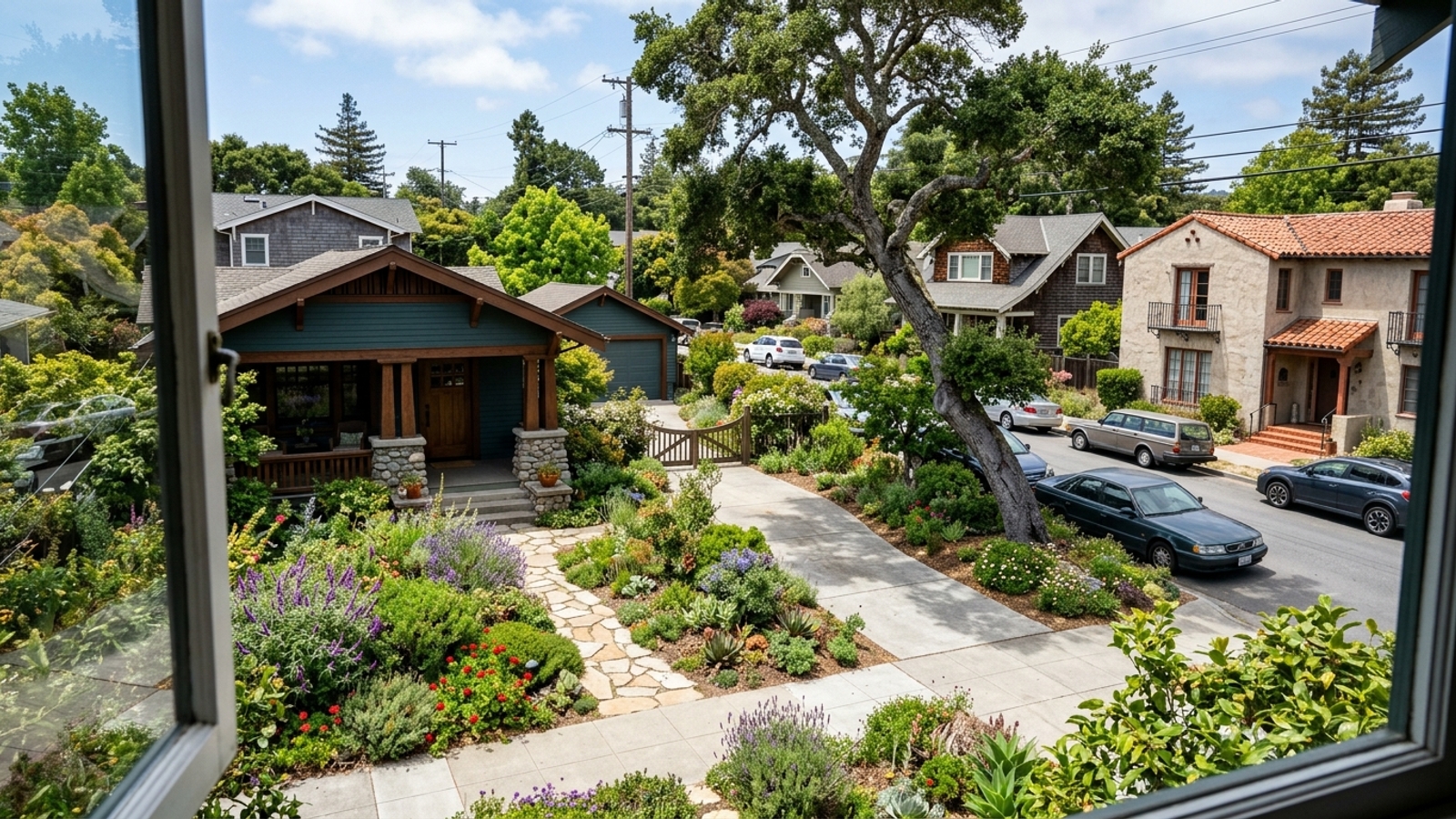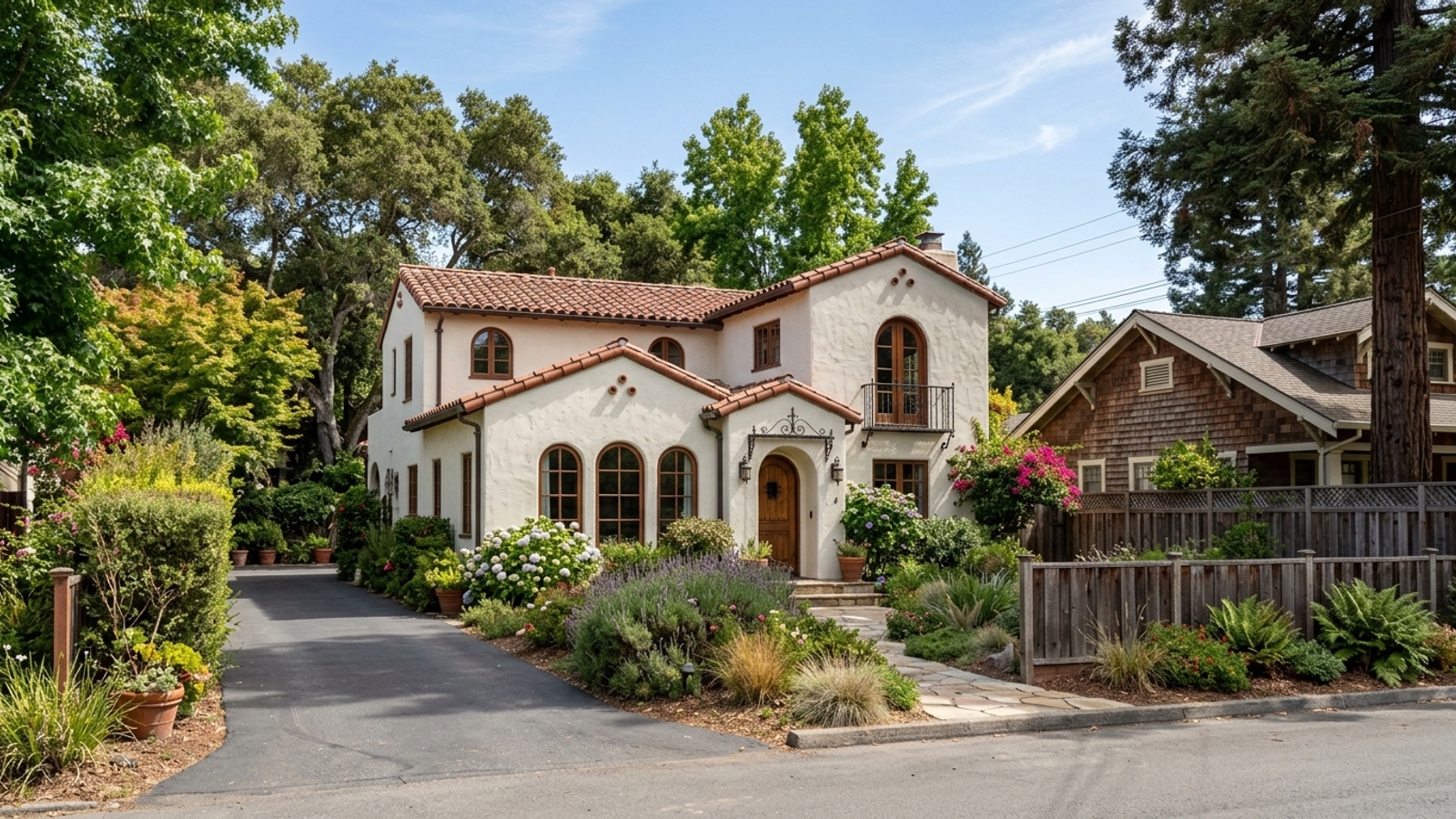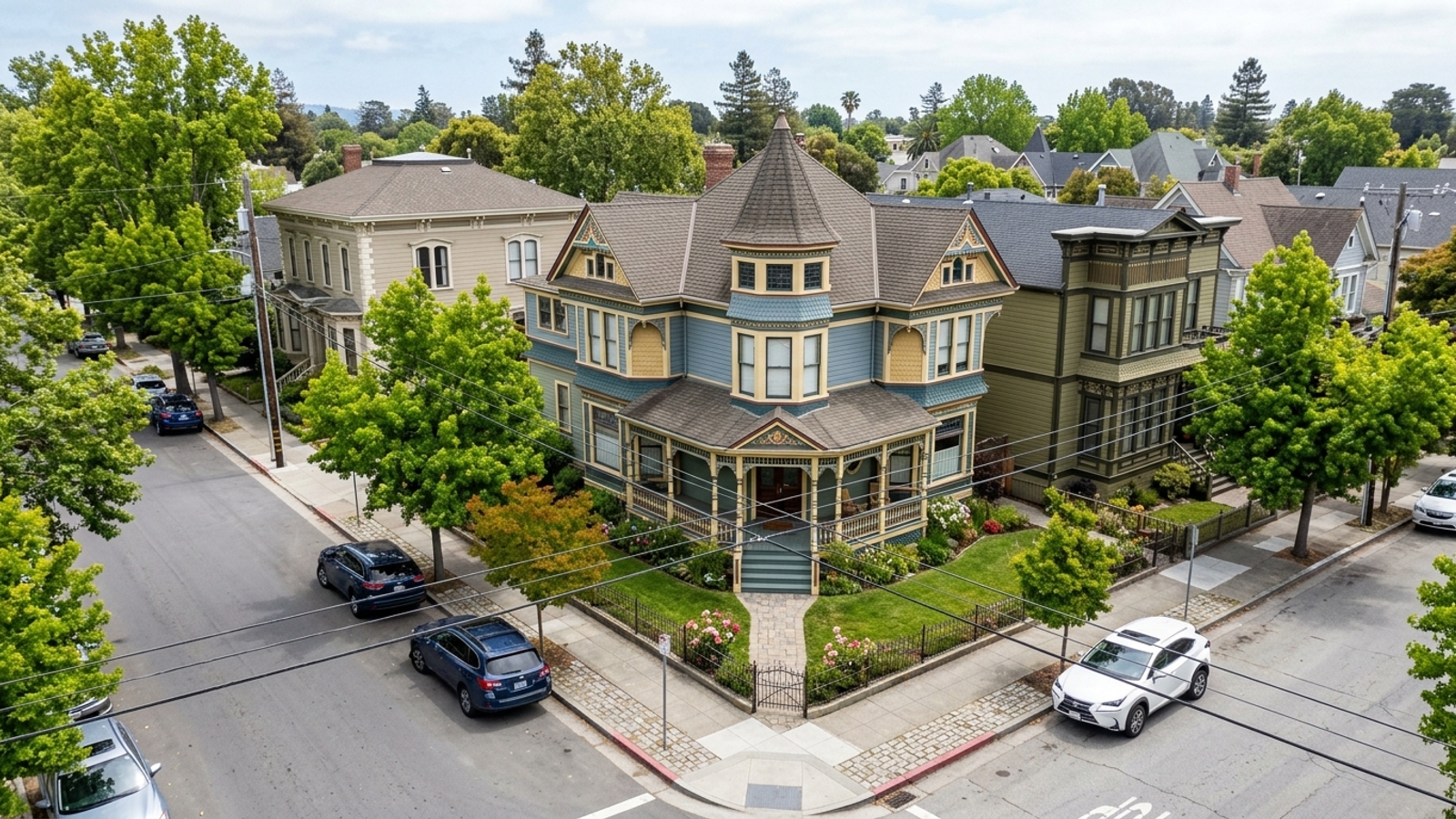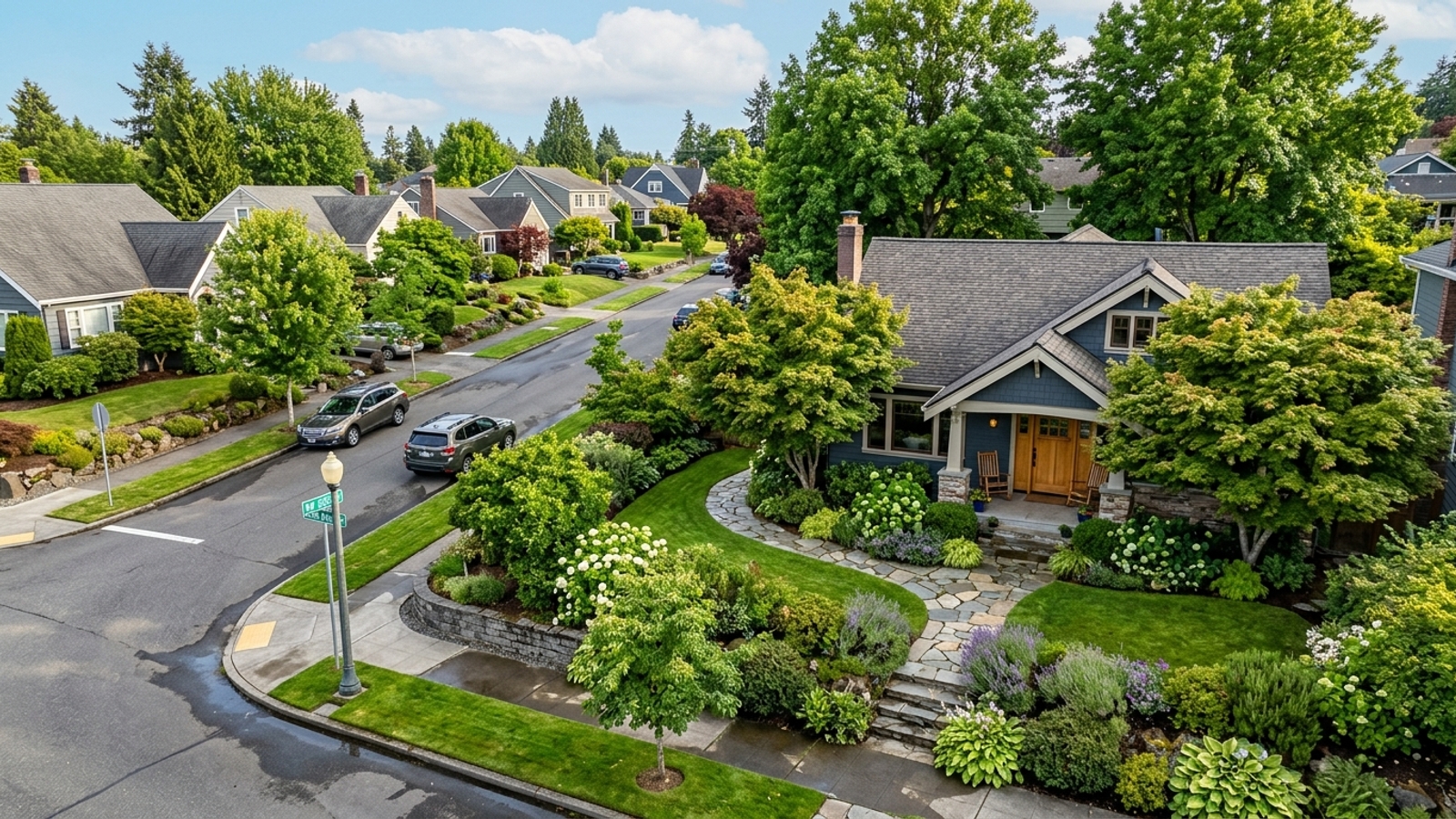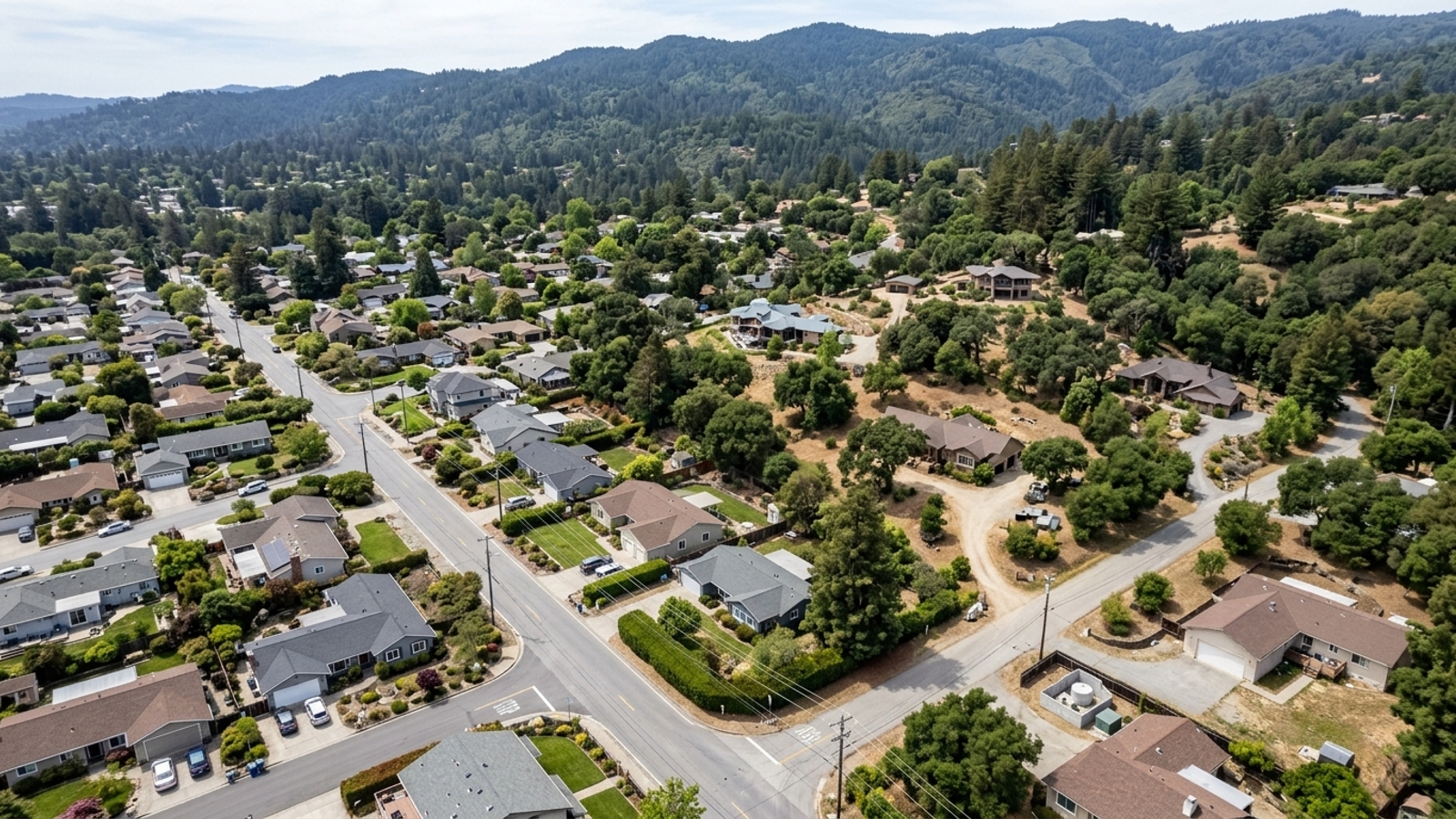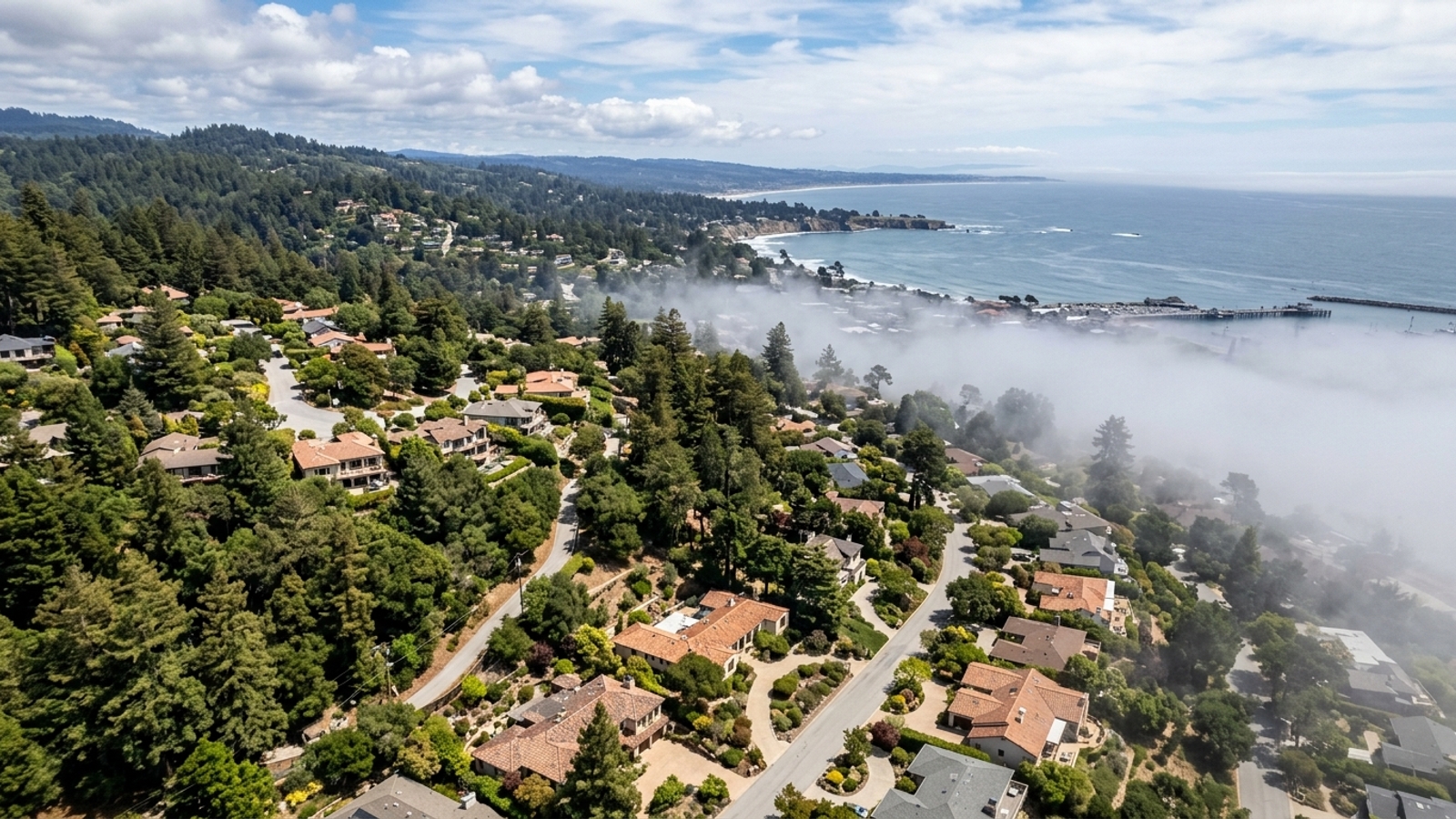
The Santa Cruz, CA housing market commands some of the highest price tags on the Central Coast. Buyers face a landscape defined by limited land, high demand from Silicon Valley commuters, and a large university population.
The median sale price sits between $1.4 million and $1.5 million as of mid-2026. Inventory remains tight because the ocean and the mountains physically restrict new construction, keeping available listings scarce.
What Homes Cost in Santa Cruz Right Now
The median sale price for a home in the city limits hovers around $1.45 million, according to recent data from the Santa Cruz County Association of Realtors. Prices in the broader Santa Cruz County are slightly lower, though still well above national averages.
Most properties sell within 14 to 45 days of hitting the market. Turnkey homes near the water or major commuter routes move on the faster end of that spectrum.
Total active listings have seen minor fluctuations over the past year, but overall inventory remains low. Buyers should expect to compete with multiple offers on properly priced single-family homes.
Prices by Property Type
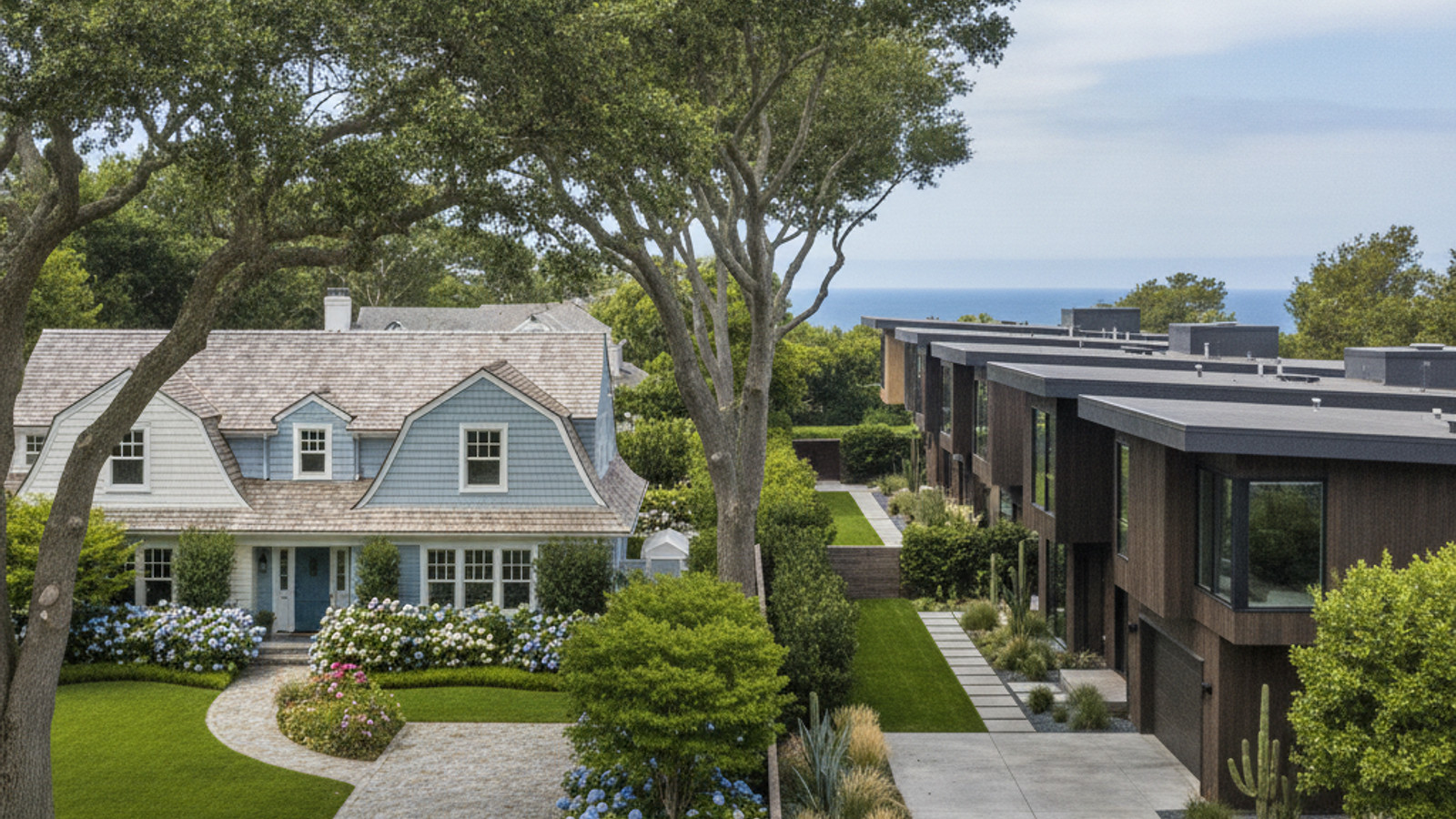
Single-family homes make up the majority of the housing stock, but they also require the largest budgets. A standard three-bedroom detached house typically lists above the $1.5 million mark, especially if it sits west of Highway 1.
Attached properties offer a lower entry point, though they come with monthly association dues. Buyers should factor these recurring costs into their debt-to-income ratio when applying for a mortgage.
Current pricing breaks down into three main categories:
- Single-family homes: These detached properties average $1.5 million in the city, with larger lots available as you move into the county areas like Scotts Valley or Soquel.
- Townhouses: Expect to pay between $850,000 and $1.1 million for a townhouse, which usually provides 1,200 to 1,500 square feet of living space.
- Condominiums: Condos generally price from $650,000 to $800,000. Buyers should review the HOA documents carefully, as monthly fees often range from $350 to $600 and cover exterior maintenance.
Commutes and Campus Influence
Highway 17 serves as the primary artery connecting Santa Cruz to Silicon Valley. Morning commutes to San Jose or Los Gatos take about 45 minutes to an hour, depending on traffic and weather conditions over the mountains.
The University of California, Santa Cruz shapes the local rental market. Investors frequently purchase properties near the westside campus to rent to students and faculty, keeping vacancy rates low.
Coastal geography dictates lot sizes and housing density across the city. Properties near the water sit on smaller parcels, while homes further inland into the foothills offer more space but longer drive times to commercial centers.
Parks, Schools, and Daily Life
The Santa Cruz Beach Boardwalk anchors the southern edge of the city, bringing seasonal tourism traffic that impacts parking and noise levels in the immediate vicinity. Buyers looking at properties in Beach Hill or Seabright should visit the area on a summer weekend to gauge the activity.
Henry Cowell Redwoods State Park sits just a few miles north of downtown, providing miles of hiking and equestrian trails. Residents in the northern neighborhoods have immediate access to these forested areas via Highway 9.
The Santa Cruz City Schools district serves the area, with boundaries extending from the coastline up into the Santa Cruz Mountains. Public transit relies primarily on the Santa Cruz Metro bus system, which connects the university, downtown, and neighboring towns like Capitola.
Frequently Asked Questions
What is the median home price in Santa Cruz, CA?
As of June 2026, the median home price in Santa Cruz is roughly $1.45 million. Values fluctuate slightly depending on the exact neighborhood and property condition. Condos offer a lower entry point, while detached homes near the water push the average higher.
Are home prices dropping in Santa Cruz?
Prices have remained relatively stable over the last year, with no steep declines. The limited amount of buildable land keeps inventory low, which sustains property values even when mortgage rates shift. Buyers waiting for a major price drop will likely be disappointed by the current data.
How long does it take to sell a home in Santa Cruz?
Most listings go under contract between 14 and 45 days. Homes that sit longer than a month and a half usually require a price reduction or major repairs. Sellers who price their properties accurately from day one see the fastest turnover.