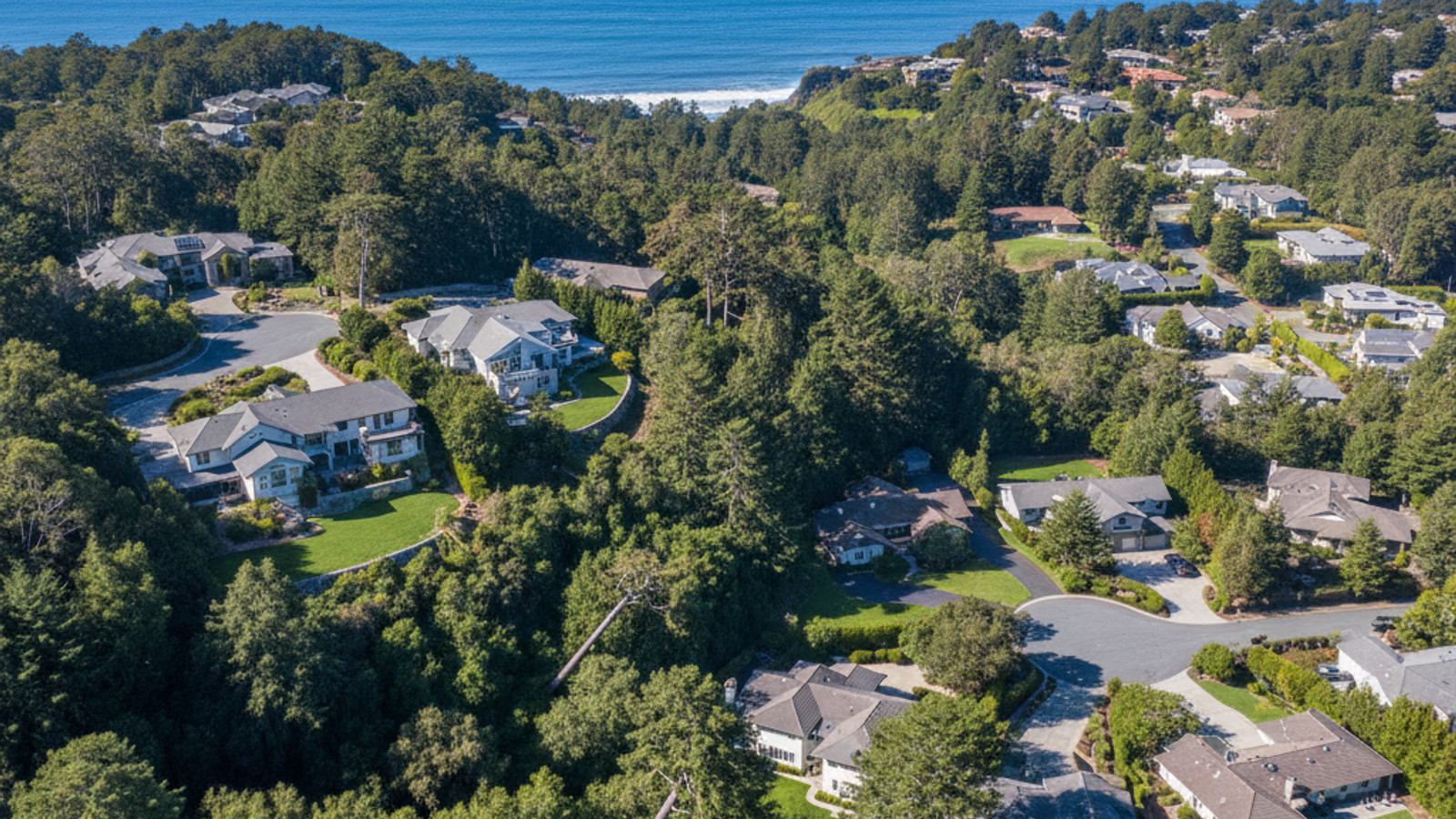
Taking on a new construction project along the Central Coast is an ambitious and highly rewarding endeavor. Buyers looking to design a custom home in Santa Cruz County face a unique blend of breathtaking geography and complex local regulations. From securing the right parcel of land to navigating the rigorous building permit process, preparation is your biggest asset.
The reality of the local market is that building a property here requires patience, a substantial budget, and an experienced team. Understanding the timeline and baseline costs upfront will save you from costly surprises down the road.
The Custom Home Building Process in Santa Cruz
The journey to a finished property begins long before any heavy machinery arrives on site. Your first major milestone is securing vacant land that strictly aligns with Santa Cruz County zoning laws for residential development. Not every available lot is buildable, so verifying zoning and utility access is a critical early step.
Once you have the right property, assembling a local design-build team is essential. Hiring a custom home builder or architect who intimately understands Central Coast building codes will streamline your entire project.
Buyers should expect the initial project design and architectural planning phase to take anywhere from 6 to 12 months. Rushing the blueprint stage often leads to rejected applications and expensive revisions later.
Navigating Zoning Laws and Local Permitting
The Santa Cruz County Planning Department utilizes a specific two-step fee structure for new construction. You will first pay intake and review fees upon submitting your application, followed by permit issuance fees right before construction begins. These initial intake fees cover zoning plan checks, erosion-control site inspections, and building plan reviews calculated by your total square footage.
Local builders must also account for additional administrative costs that inflate the baseline budget. General plan surcharges and technology update fees currently add an approximate 11% to 13% markup to your base permit costs in the county.
Average Costs to Build a Custom Home in Santa Cruz County
Setting realistic budget expectations is the most important step for prospective land buyers in this market. Building a custom home in a coastal California region requires a substantial financial commitment that goes well beyond the sticker price of the land. Buyers must separate their budget into distinct categories for land acquisition, site preparation, and the physical build.
Standard custom builds in the area generally start around $400 to $600 per square foot for the base structural cost. If you are planning a luxury property or building on a complex hillside lot, those figures easily reach $700 to $800 or more per square foot.
Final pricing ultimately depends heavily on the complexity of your terrain and the level of interior finishes you select. High-end cabinetry, custom bathroom fixtures, and imported materials will push your budget to the higher end of the spectrum. Site clearing and utility hookups are also billed separately and can vary wildly depending on the lot’s location.
Breaking Down Material, Labor, and Architectural Fees
Specialized California labor is one of the largest expenses, often accounting for up to 40% of the total project budget. Architectural and engineering fees typically consume another 5% to 15% of your overall costs.
Infrastructure costs can also be staggering, particularly if you purchase a rural parcel in the mountains. Drilling a new well or installing an onsite sewage facility like a septic system requires heavy equipment and specialized permits.
To give you a clearer picture of structural expenses, you must look at the raw materials. Here are a few approximate costs for major components:
- Foundation engineering and pouring: $9,000 to $28,000 depending on soil stability.
- Structural house framing: $22,000 to $60,000 based on square footage and design complexity.
- Major infrastructure hookups: Costs vary significantly but often exceed $30,000 for off-grid or rural parcels.
Environmental Regulations for Santa Cruz Construction
Santa Cruz County places a massive priority on environmental preservation and habitat protection. This intense focus on conservation strictly limits where and how new construction can occur across the region. Every building project must balance the creation of a dream home with strict compliance to local ecological safeguards.
Prospective homeowners must understand that environmental reviews will dictate both the project timeline and the foundation engineering. Navigating these rules requires patience and a willingness to adapt your architectural vision to the land.
California Coastal Commission Requirements
Properties located within the Coastal Zone, which can stretch up to 5 miles inland, face an extra layer of regulatory oversight. Building in this area requires a formal Coastal Development Permit before the county will approve your standard building plans. The commission evaluates every construction project for visual impact, public beach access, and mitigation strategies for sea-level rise.
Scrutiny increases dramatically the closer your property sits to the water. Projects located within 300 feet of a coastal bluff or 100 feet of a wetland face intense reviews and are often subject to public appeal.
Soil Testing and Terrain Challenges in the Santa Cruz Mountains
Developing a parcel in the heavily forested Santa Cruz Mountains introduces distinct geological hurdles. Building on this uneven terrain frequently requires a comprehensive soils report to assess potential landslide and earthquake risks. The county will conduct an erosion-control preliminary site inspection to map these geologic hazards before approving any grading plans.
Securing a hillside lot often means taking on the added financial cost of designing specialized concrete foundations. Deep piers and extensive retaining walls are standard requirements to ensure the structure remains stable during heavy winter rains. You should expect your engineering budget to be significantly higher if your lot features a steep grade.
Wildfire Defensible Space and Landscaping Rules
State and local fire safety mandates heavily dictate how you can design your residential landscaping. California law requires homeowners to maintain 100 feet of defensible space around the structure to mitigate wildfire risks. This space is divided into strict spacing requirements: Zone 0 covers 0 to 5 feet, Zone 1 covers 5 to 30 feet, and Zone 2 covers 30 to 100 feet.
Santa Cruz County specifically prohibits clearing vegetation down to bare soil, as this causes severe hillside erosion. Instead, builders must use mulch or low-combustible ground cover to stabilize the landscape while remaining fire-compliant. New construction must also feature fire-resistant exterior building materials, enclosed eaves, and mandatory indoor sprinkler systems.
Exploring Santa Cruz Area Features for Prospective Builders
While many buyers look at existing homes for sale in Santa Cruz, choosing to build here means gaining access to world-class geography and amenities on your own terms. The region offers a unique geographical layout featuring direct access to the Monterey Bay coastline and old-growth redwood forests. It is a location that seamlessly blends dense natural landscapes with developed urban infrastructure.
Homeowners benefit from the area’s excellent connectivity to the broader San Francisco Bay Area. Evaluating the local infrastructure is just as important as reviewing floor plans when planning your long-term investment.
Commute Routes, State Parks, and Local Amenities
Highway 17 serves as the primary commute route, connecting Santa Cruz to major tech hubs in Silicon Valley and San Jose. This 30-mile mountain pass allows residents to access high-paying employment centers while maintaining a coastal lifestyle. Traffic patterns fluctuate, but the highway remains the vital artery for the local economy.
The region is famous for its proximity to expansive outdoor recreation areas. Residents have immediate access to the 4,628-acre Henry Cowell Redwoods State Park, offering miles of hiking and equestrian trails. The area is also supported by essential infrastructure, including major grocery chains, retail centers, and Dominican Hospital for comprehensive healthcare needs.
Frequently Asked Questions
Can I legally build my own house in California?
Yes, you can legally act as an owner-builder in California by pulling your own permits. However, this process assumes you take on all liability risks and insurance requirements typically handled by a licensed general contractor. Managing a complex build in Santa Cruz County without a license exposes you to significant financial and legal vulnerabilities.
Is $200,000 enough to build a house in Santa Cruz?
A budget of $200,000 is not enough to cover new custom construction in this market. With standard building costs starting at roughly $400 to $600 per square foot, a $200,000 budget falls far below the minimum requirements for a complete home. That amount is better suited for a major home remodeling project or adding a prefabricated ADU to an existing property.
How long does it take to build a custom home in Santa Cruz?
Building a custom home here typically takes 18 to 24 months from the initial design phase to final completion. County planning reviews, Coastal Commission evaluations, and complex site preparation can easily stretch timelines beyond two years. Securing your permits and finalizing your architectural plans early is the best way to prevent extensive delays.



Leave a Reply