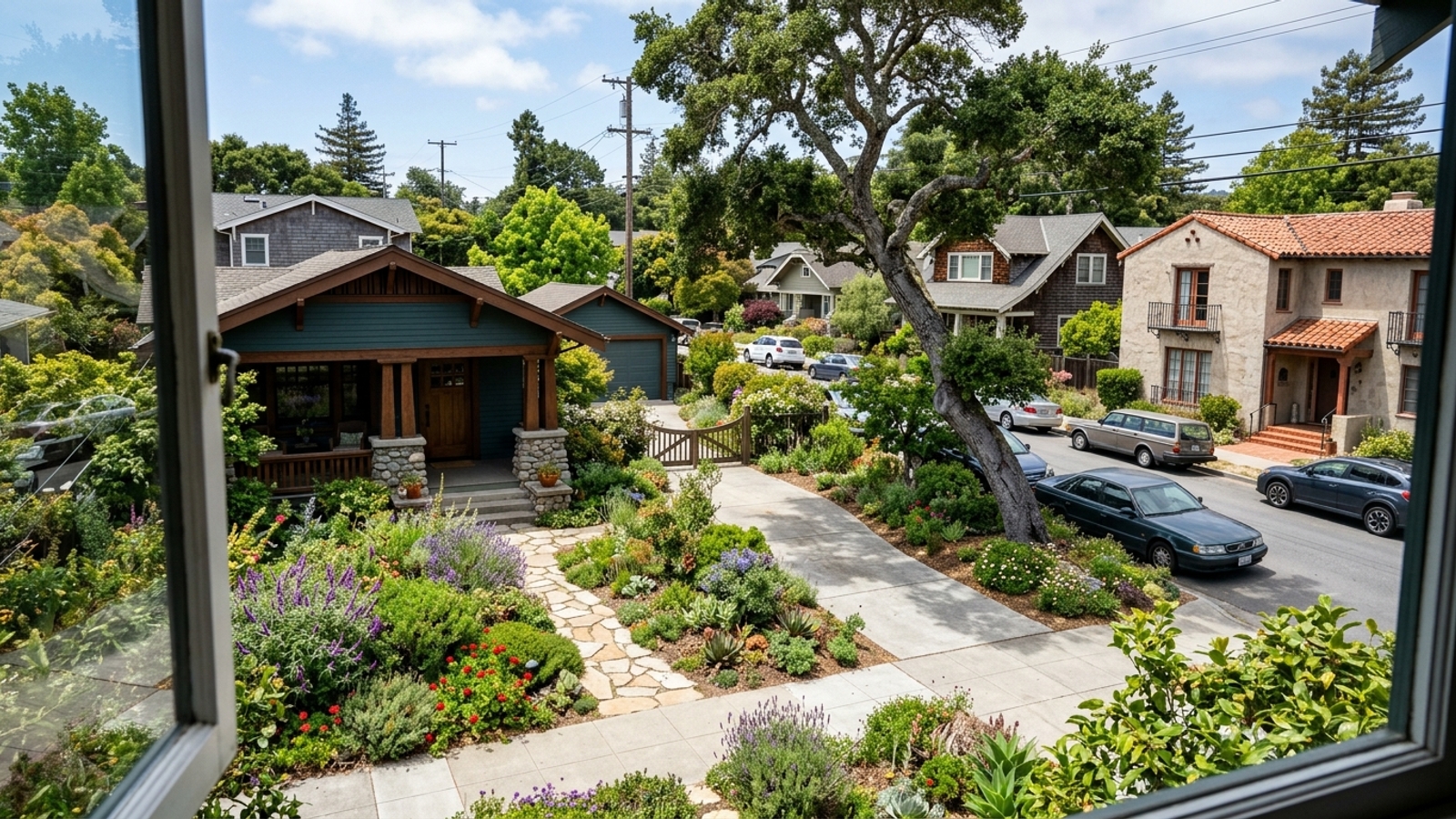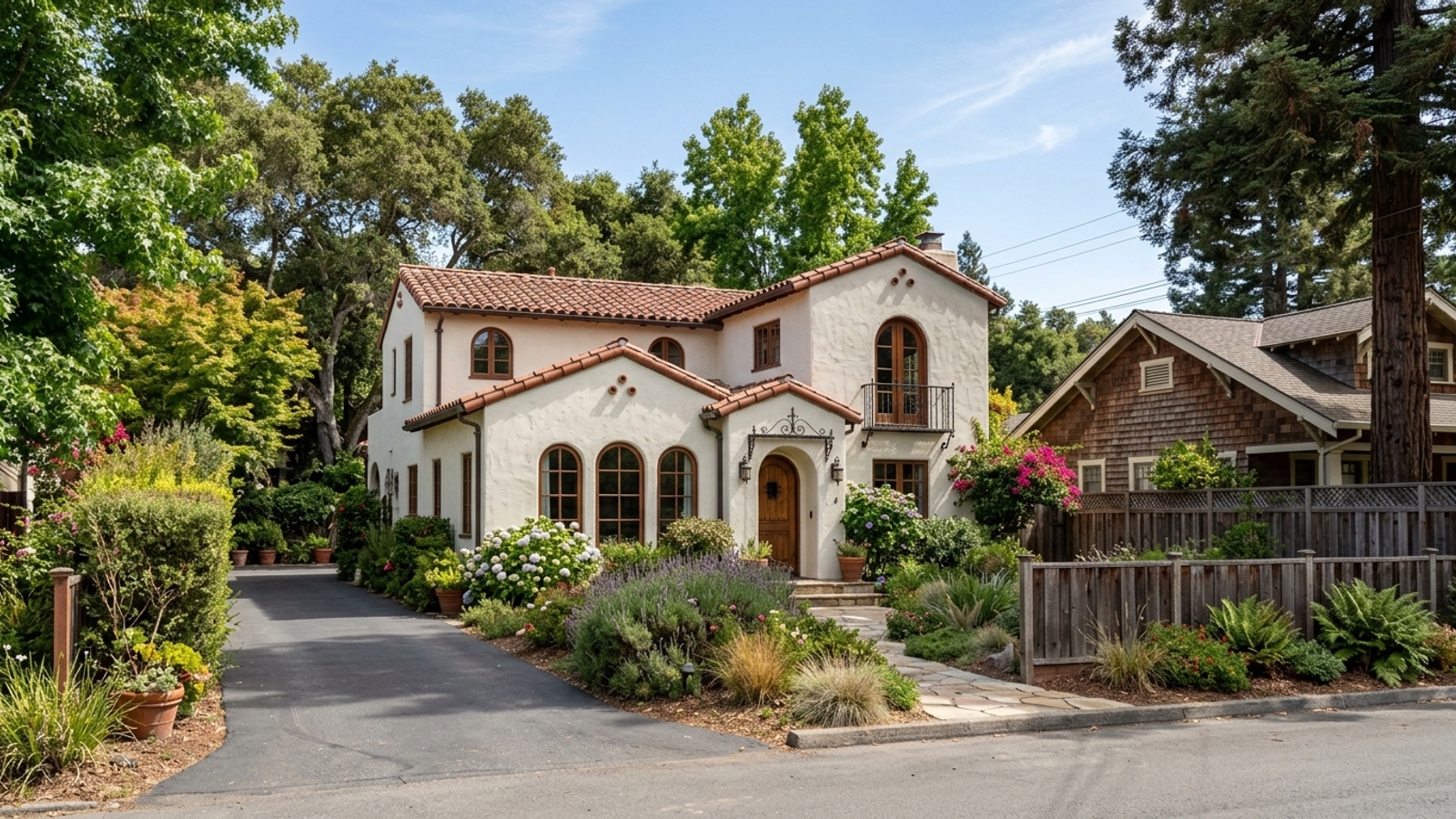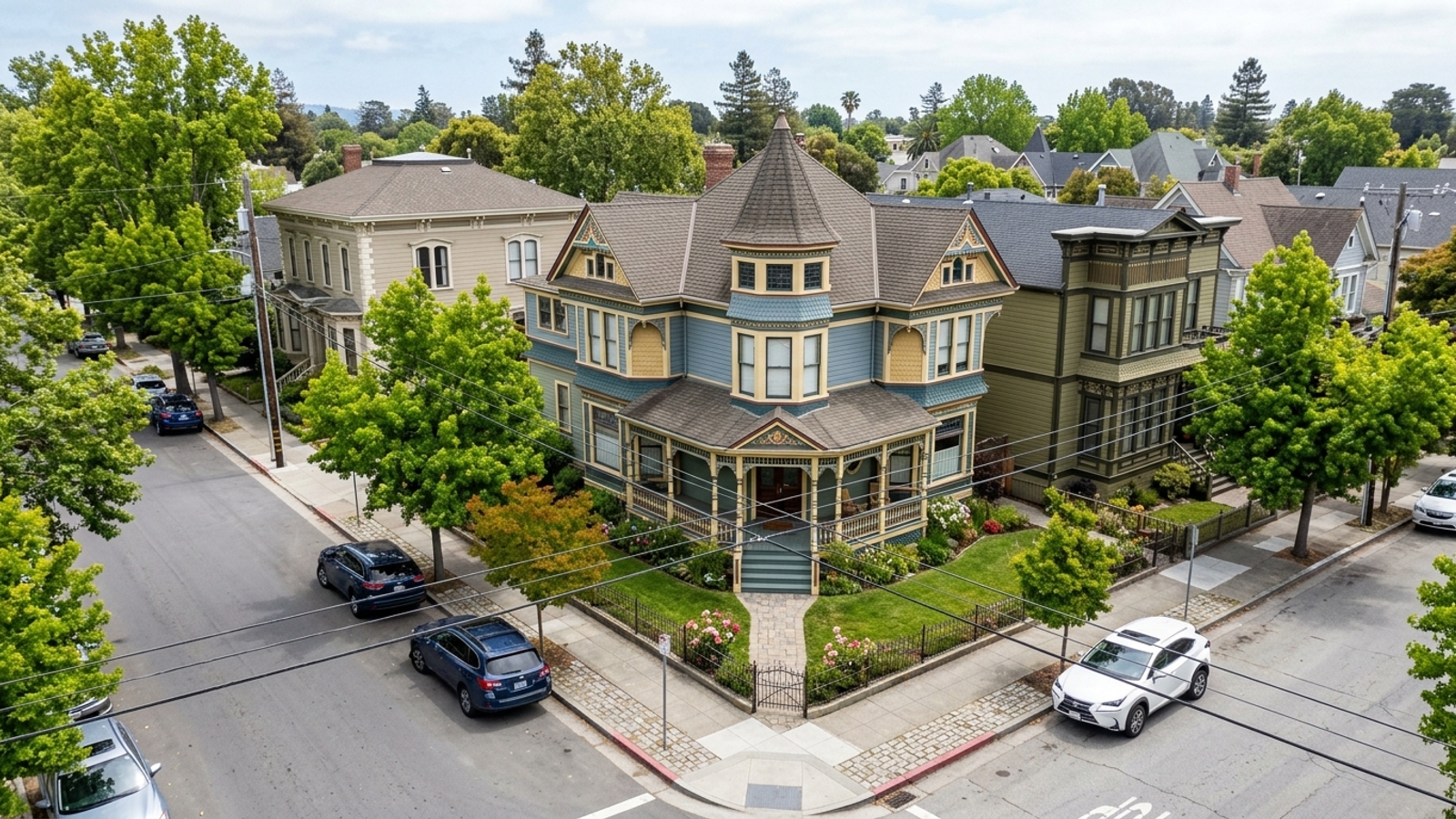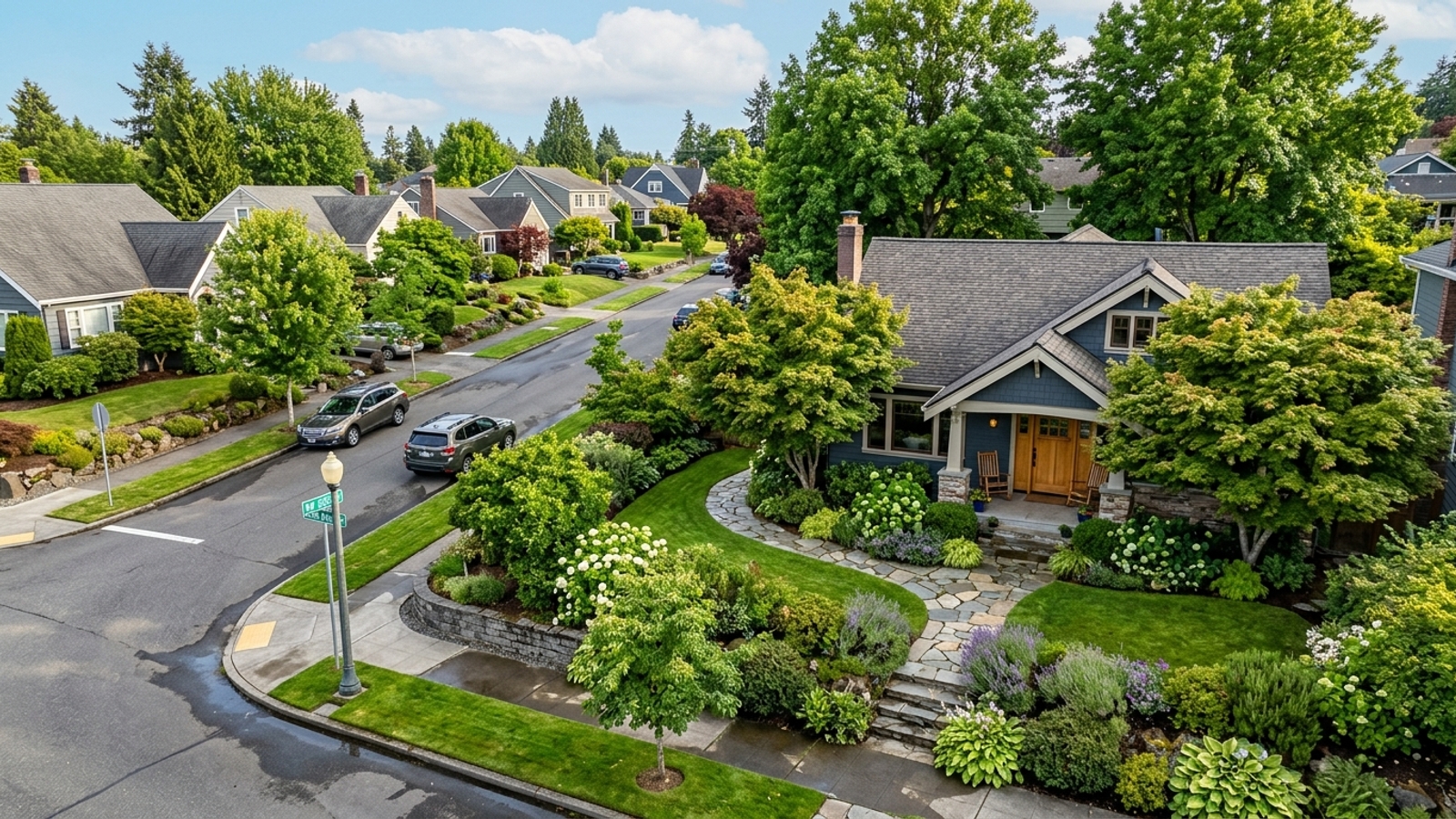
The median home price in Santa Cruz, CA sits between $1.2 million and $1.3 million as of mid-2026. Located on the northern arc of Monterey Bay, the city offers a mix of dense coastal grids and spaced-out mountain properties. Buyers moving to the area will find a market defined by limited inventory and high demand.
Access to the rest of the San Francisco Bay Area depends on Highway 17 and Highway 1. Commute times and daily driving patterns dictate where many buyers choose to look for homes. Understanding the geographic layout of the city is the first step to finding the right property.
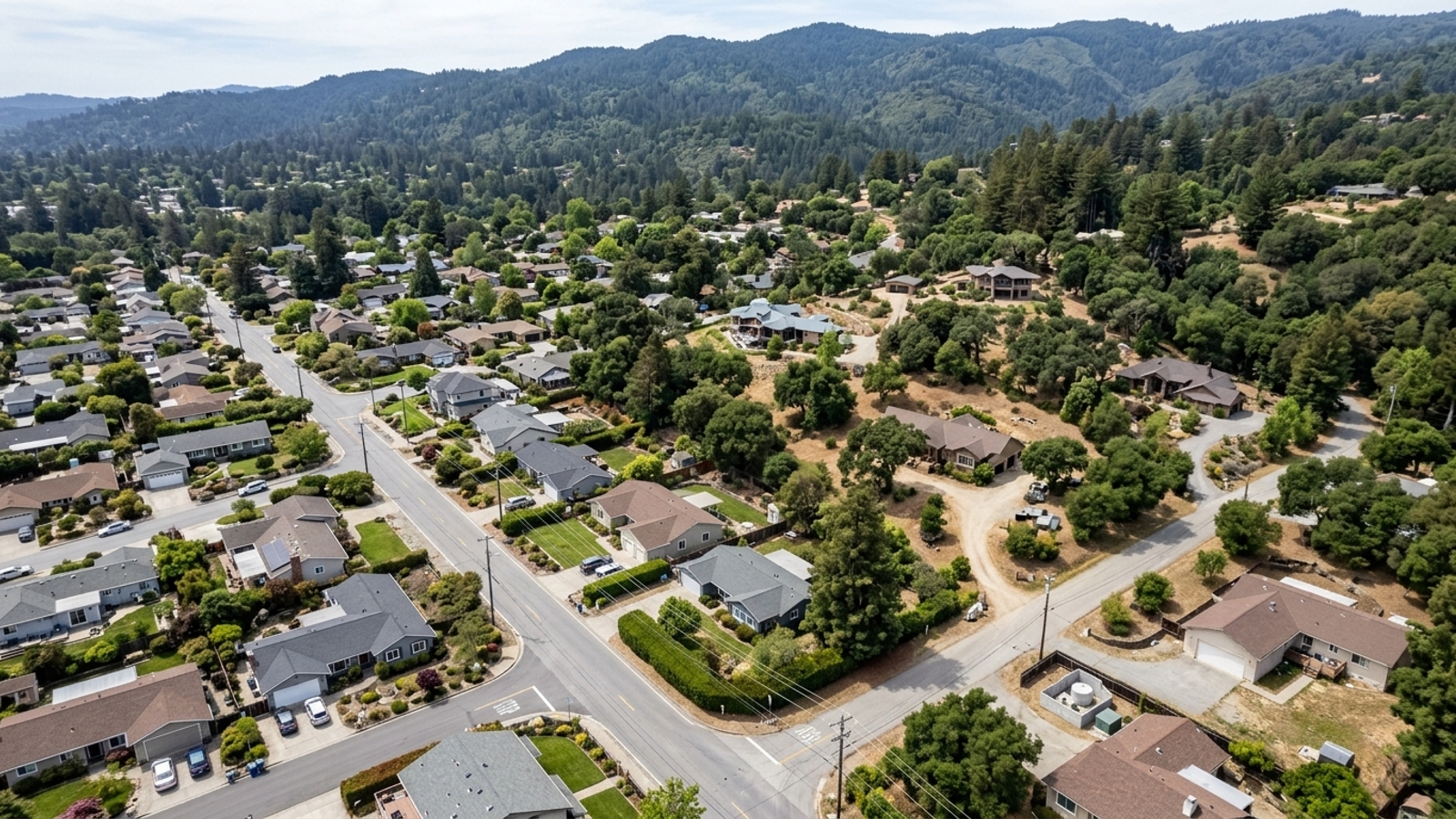
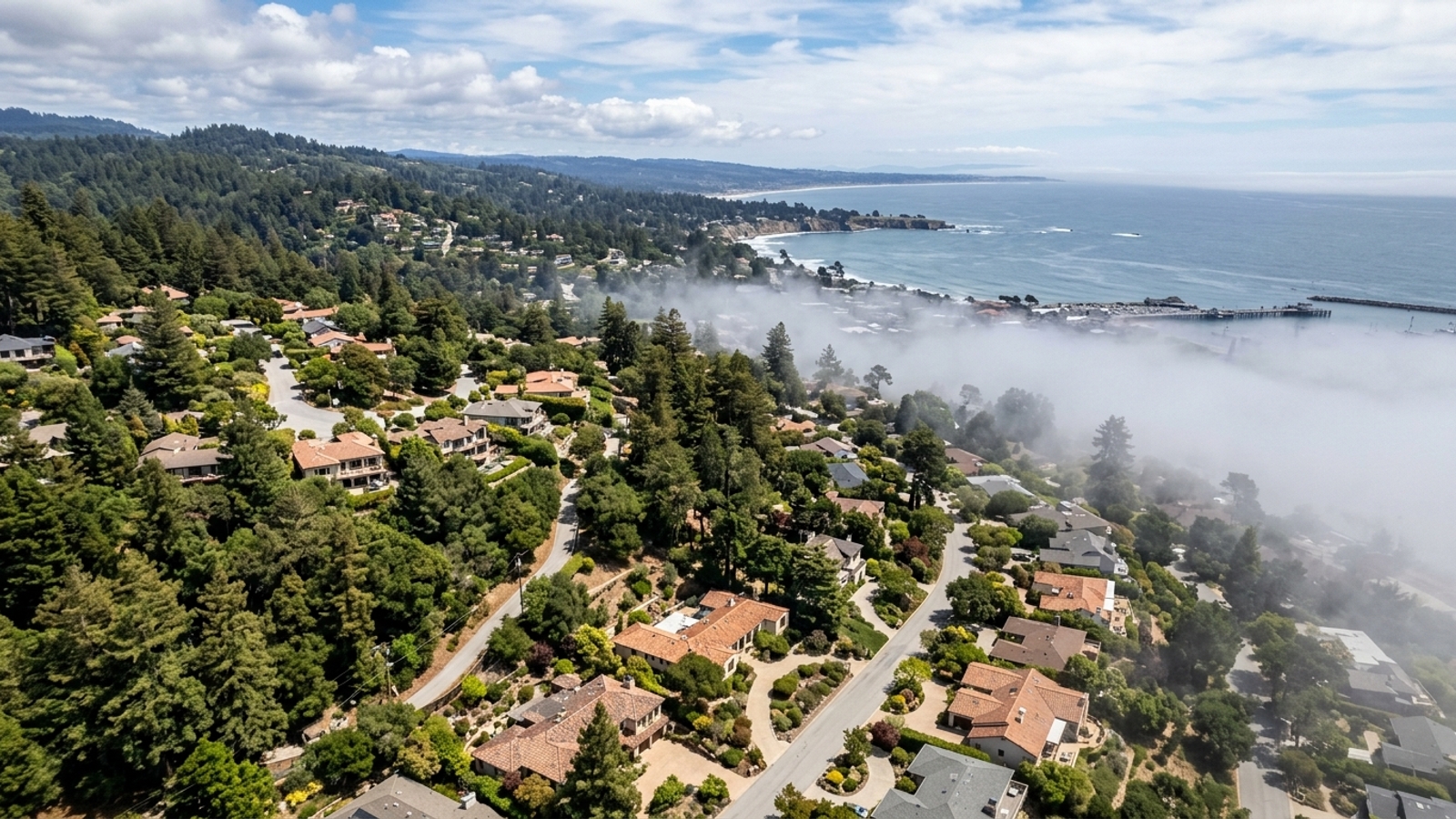
Those looking to live in Santa Cruz County often evaluate the trade-offs between different microclimates. The immediate coastline experiences morning fog during the summer months. Just a few miles inland, the Santa Cruz Mountains see warmer summer temperatures and heavier winter rainfall.
Local property taxes and insurance requirements vary based on these geographic zones. Homes tucked into the forested hillsides frequently require specialized fire insurance policies. Coastal properties face their own set of environmental disclosures and maintenance realities.
Understanding the Santa Cruz Housing Landscape
The city divides naturally into distinct zones separated by the San Lorenzo River and the Santa Cruz Harbor. Coastal neighborhoods feature smaller lot sizes and older bungalows, while the foothills offer acreage and privacy. Buyers weigh the value of walking distance to the water against the desire for more square footage.
Properties closer to the ocean or the University of California, Santa Cruz command a higher price per square foot. Unincorporated areas immediately outside the city limits operate under different zoning and school district boundaries. You should review the specific utility providers and municipal services for any address you consider.
The local housing supply consists largely of older homes built between the 1950s and 1970s. Buyers frequently encounter properties that have undergone extensive renovations to maximize their footprint. Empty lots are rare, so new construction usually involves tearing down an existing structure.
Traffic patterns play a major role in daily life across the county. The Highway 1 corridor experiences congestion during afternoon commute hours and summer weekends. Locals rely on surface streets and electric bicycles to bypass the main arterial bottlenecks.
Westside Homes and Coastal Access
The Westside stretches from the downtown corridor out toward the University of California, Santa Cruz campus. Current median home prices here range from $1.4 million to $1.7 million. The area includes the Upper Westside, where lots are larger and streets are wider, down to the denser blocks along West Cliff Drive.
Housing inventory consists largely of mid-century single-family homes and older craftsman properties. Residents have direct access to natural spaces like Wilder Ranch State Park and Natural Bridges State Park on the western edge of town. Addresses in this section of the city are assigned to Santa Cruz City Schools.
Mission Street serves as the primary commercial backbone for this side of town. The corridor holds the majority of the area’s grocery stores, bakeries, and retail shops. Buyers looking at homes just off Mission Street should factor commercial traffic noise into their decision.
Bicycle infrastructure is prominent throughout these neighborhoods. Dedicated lanes and multi-use paths connect the residential streets directly to the university campus. Many residents commute by bike to avoid parking constraints near the coastal access points.
Seabright and Midtown Real Estate
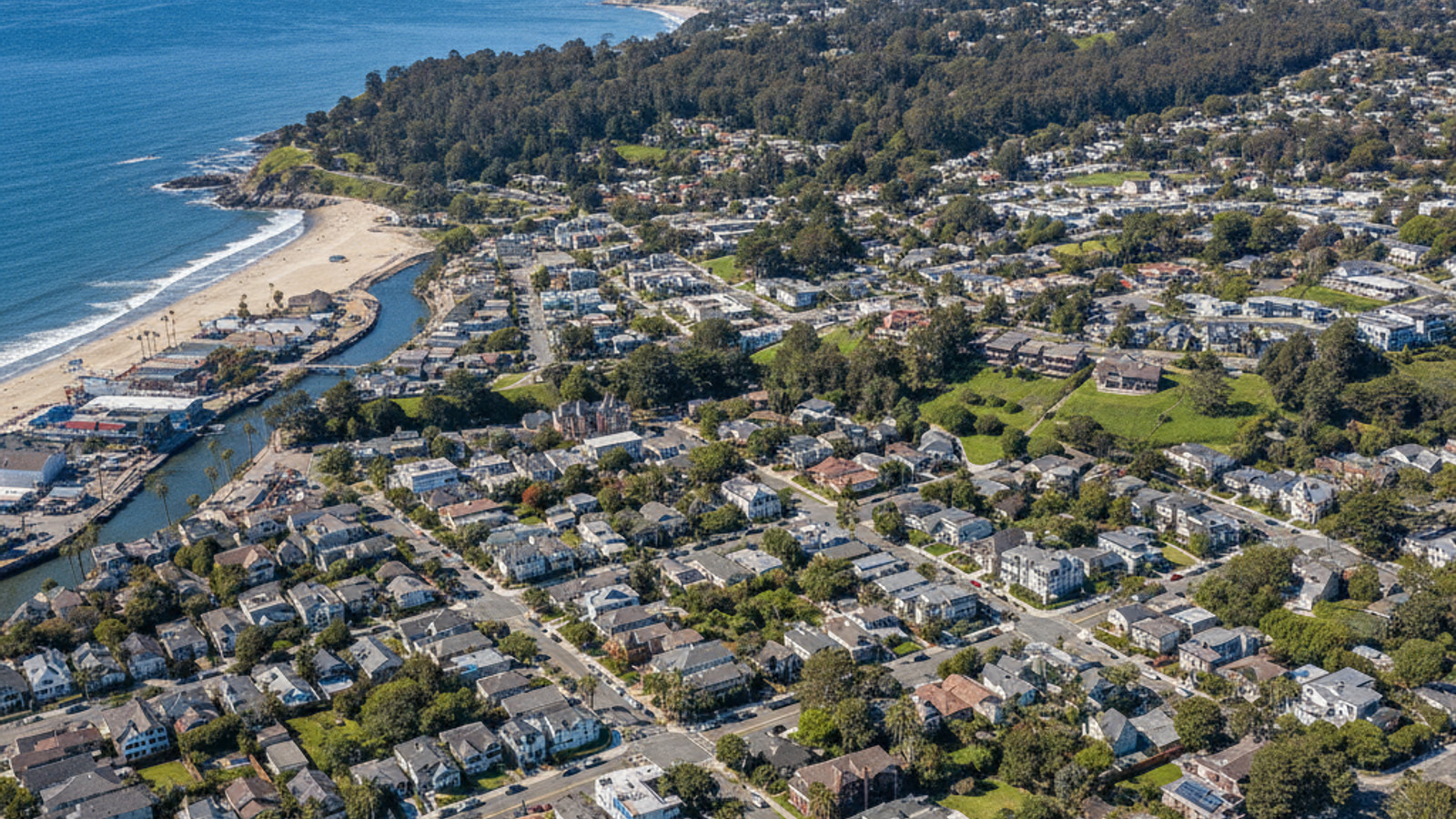
Seabright occupies the land between the San Lorenzo River and the Santa Cruz Harbor. The median home price in this walkable grid runs from $1.3 million to $1.5 million. The residential streets feature a dense mix of original beach bungalows and multi-unit investment properties.
Buyers target this area for its physical proximity to Seabright State Beach and the Santa Cruz Beach Boardwalk. Commuters can access Highway 1 quickly by taking Soquel Avenue directly to the onramps. The commercial corridors along Water Street and Soquel Avenue provide local grocery and dining options within a few blocks of most homes.
The Santa Cruz Harbor anchors the eastern edge of the neighborhood. Properties near the water often feature narrower lot lines and limited off-street parking. Buyers should verify parking permits and property boundaries when evaluating homes in these blocks.
Midtown blends seamlessly into Seabright, offering a slightly more residential feel as you move away from the beach. The housing density remains high, but the streets feature more mature trees and slightly larger setbacks. This transition zone appeals to buyers who want coastal access without the direct beachfront traffic.
Pleasure Point Coastal Properties
Pleasure Point sits just east of the city limits in an unincorporated section of Santa Cruz County known as Live Oak. The median home price here holds around $1.55 million. The housing stock ranges from modest single-story homes to large, updated oceanfront properties facing Monterey Bay.
The neighborhood layout centers around East Cliff Drive, Moran Lake Park, and several well-known surf breaks. Since it is located outside the main city boundaries, properties here fall under the Live Oak School District instead of Santa Cruz City Schools. Residents use the nearby 41st Avenue commercial district for major retail and daily errands.
Short-term vacation rentals influence the real estate dynamics in this specific zone. Many buyers purchase properties here with the intention of holding them as investments or second homes. You should review the county’s current vacation rental permit caps before planning to lease a property short-term.
Architectural styles in Pleasure Point vary drastically from lot to lot. A 1940s surf shack might sit directly next to a newly constructed, three-story modern home. This lack of uniformity gives the area a distinct visual character compared to planned subdivisions.
Downtown Condos and Transit Options
Downtown Santa Cruz offers the highest concentration of condominiums and townhomes in the city. Pricing ranges widely from $639,000 for entry-level condos to $1.15 million for detached historical Victorian architecture. This dense layout appeals to buyers who prioritize pedestrian access over yard space.
The downtown transit center serves as the main hub for the Santa Cruz Metro and the Highway 17 Express bus. Commuters can use the express bus to reach San Jose, CA without driving over the mountains. The neighborhood also borders the San Lorenzo Riverwalk and hosts a large weekly farmers market year-round.
Recent infill development has added new multi-family housing options to the immediate downtown blocks. These newer buildings frequently feature ground-floor retail and secure underground parking. Buyers looking at these units should expect higher monthly homeowners association fees to cover the building amenities.
Parking remains a primary consideration for anyone purchasing a detached home near the commercial center. Many of the older Victorian properties lack modern driveways or garages. Buyers should confirm whether a property relies entirely on street parking before making an offer.
Capitola and Aptos as Neighboring Markets
Buyers exploring the county often expand their search southward to Capitola, CA and Aptos, CA. Capitola functions as its own incorporated city with a distinct commercial village and a median home price near $1.4 million. The housing stock there consists largely of compact beach houses and mid-century single-family properties.
Aptos covers a much larger geographic footprint that stretches from the coastline deep into the Santa Cruz Mountains. The median price in Aptos hovers around $1.35 million as of 2026. Properties here offer more square footage and larger lots compared to the dense grids of the primary city.
The commute from these southern towns to Silicon Valley requires driving north on Highway 1 before reaching Highway 17. This additional stretch of highway adds 15 to 20 minutes to a standard morning drive. Buyers commuting daily should factor this bottleneck into their long-term housing decision.
Both Capitola and Aptos provide distinct local amenities, including Seacliff State Beach and the Forest of Nisene Marks State Park. These areas operate under different municipal governments and school districts than the main city. You should verify local zoning rules and tax rates when looking at homes in these jurisdictions.
Frequently Asked Questions About Santa Cruz Housing
Which Santa Cruz neighborhood is best for commuting to Silicon Valley?
The Upper Westside and the neighborhoods immediately surrounding Highway 17 offer the most direct routes to San Jose, CA. A typical morning drive over the Santa Cruz Mountains takes 40 to 60 minutes depending on traffic. Buyers should test the drive during morning hours before making an offer.
Is Santa Cruz an expensive place to live?
The baseline cost of housing is high, with the citywide median home price exceeding $1.2 million. Property taxes, insurance for coastal or mountain fire zones, and everyday goods add to the overall cost of living. Buyers should budget carefully for these carrying costs alongside their mortgage payment.
What is the most affordable neighborhood in Santa Cruz?
The downtown corridor presents the lowest barrier to entry due to its supply of condominiums and townhomes. Buyers can find attached units starting around $639,000, which is roughly half the cost of a detached single-family home. You should always factor monthly HOA dues into your budget when looking at these lower-priced properties.