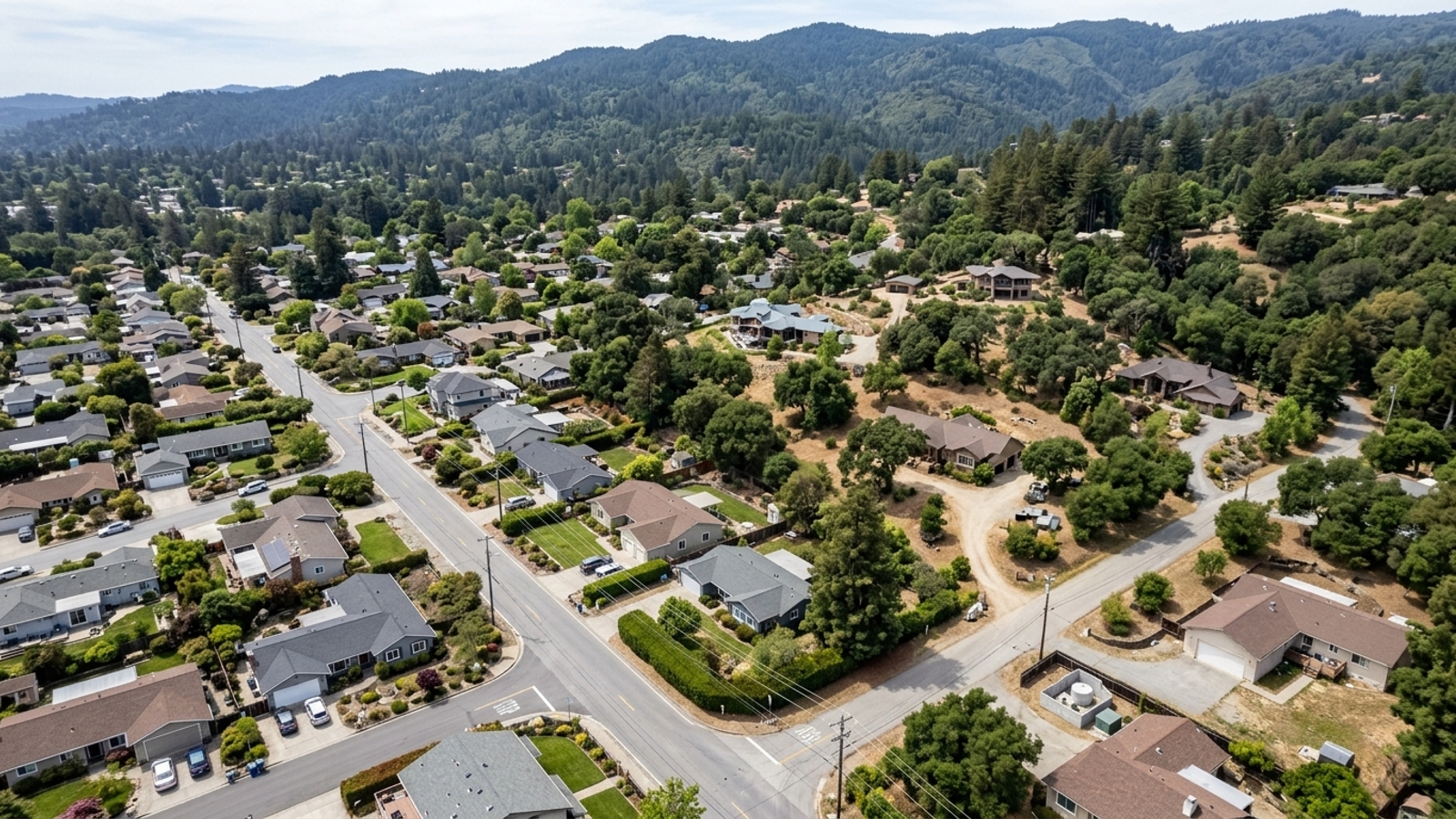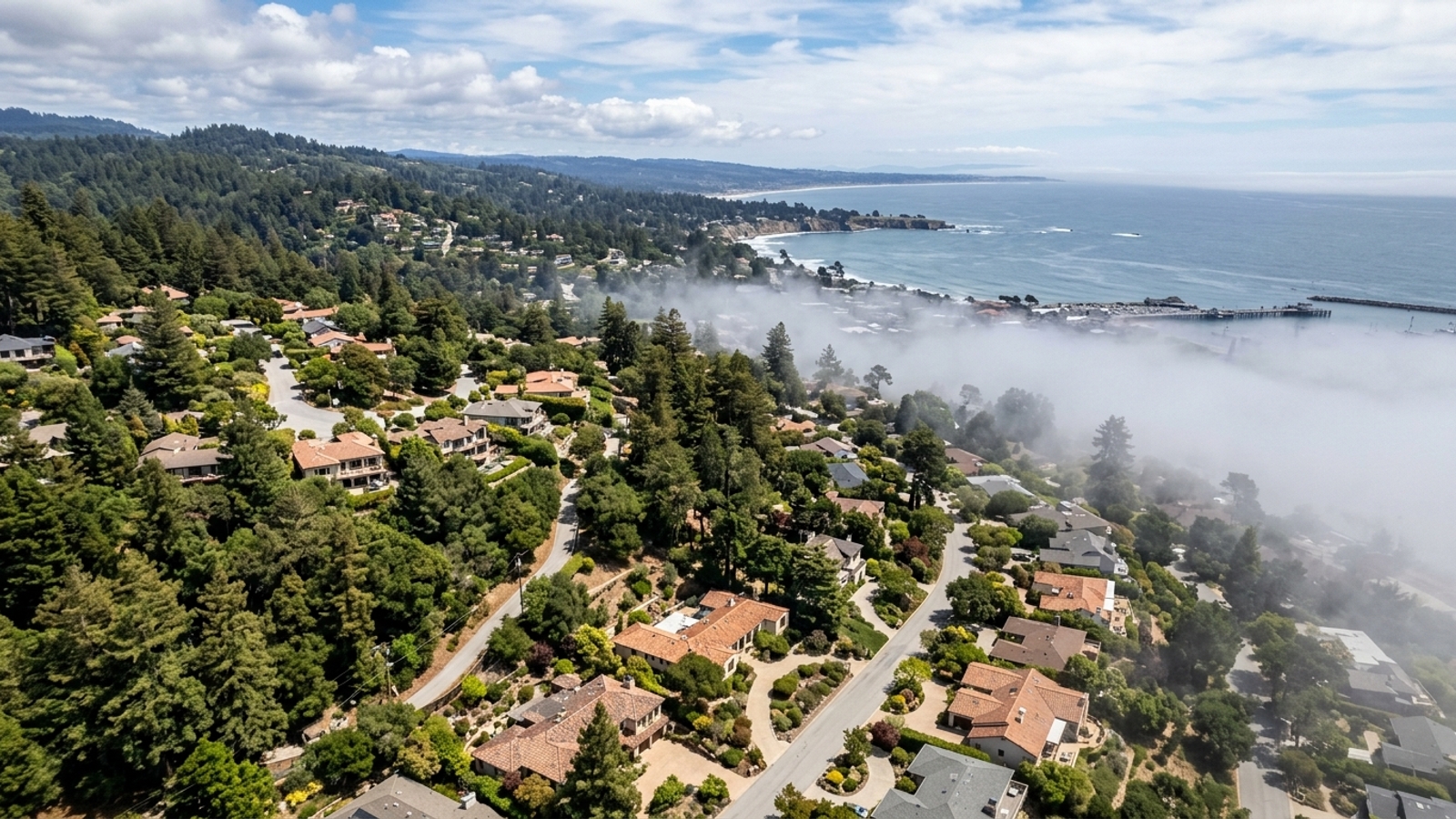
Santa Cruz County, California, sits right on the edge of the Monterey Bay, blending deep redwood forests with miles of Pacific coastline. Buyers moving to the area often weigh the appeal of ocean views against the reality of coastal housing costs.
The proximity to Silicon Valley makes this city a practical location for professionals who want beach access without giving up their San Jose or Bay Area careers. Understanding local home prices, commute routes, and everyday expenses will help you decide if living in Santa Cruz, CA aligns with your budget and lifestyle.
Current Home Prices and Property Types
The median home value in Santa Cruz, CA sits at roughly $1.15 million as of mid-2026. Buyers entering the market this year will find low inventory levels continuing to keep property prices elevated. Homes often spend fewer days on the market here compared to inland counties, especially when priced near the median.
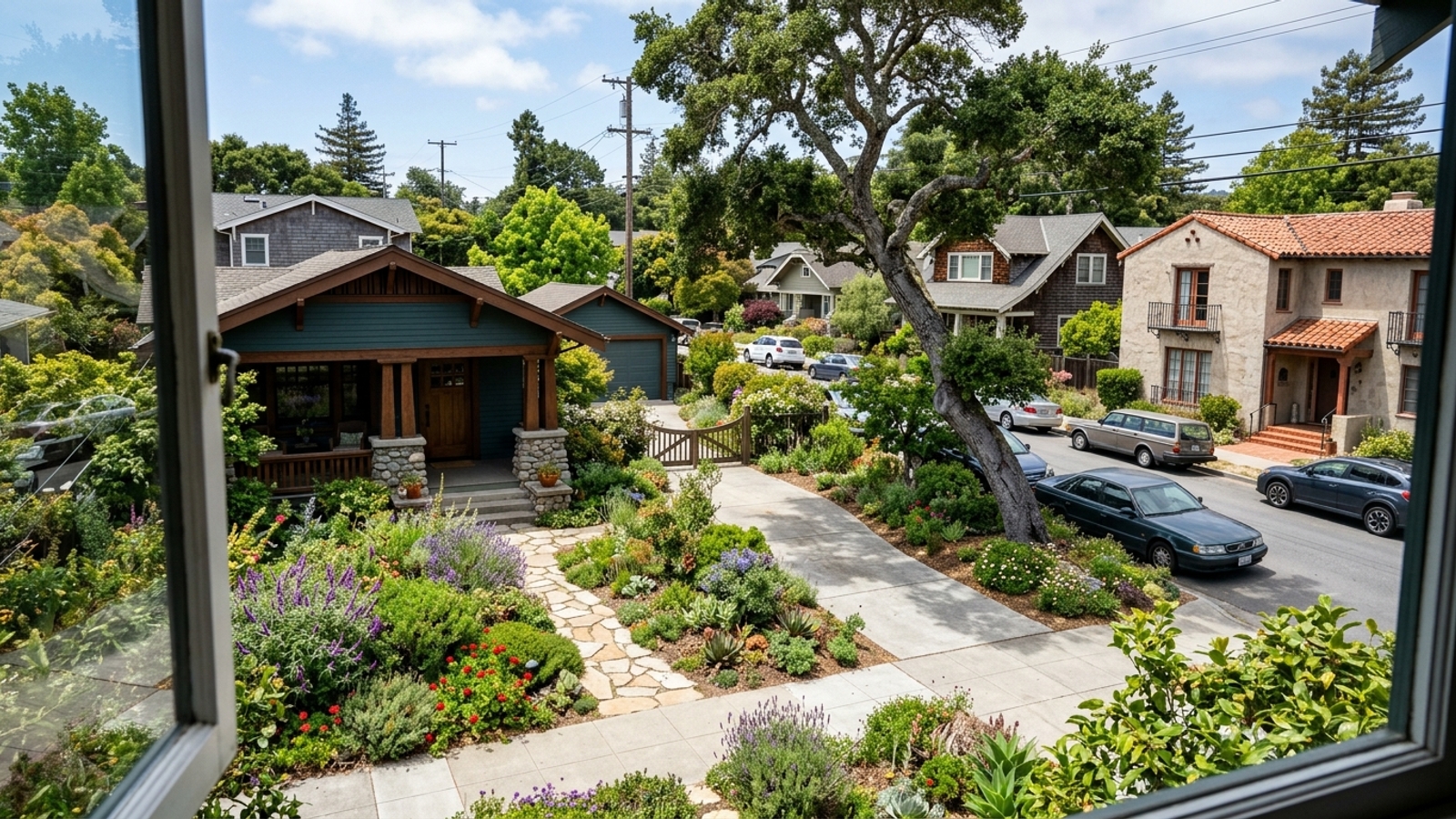
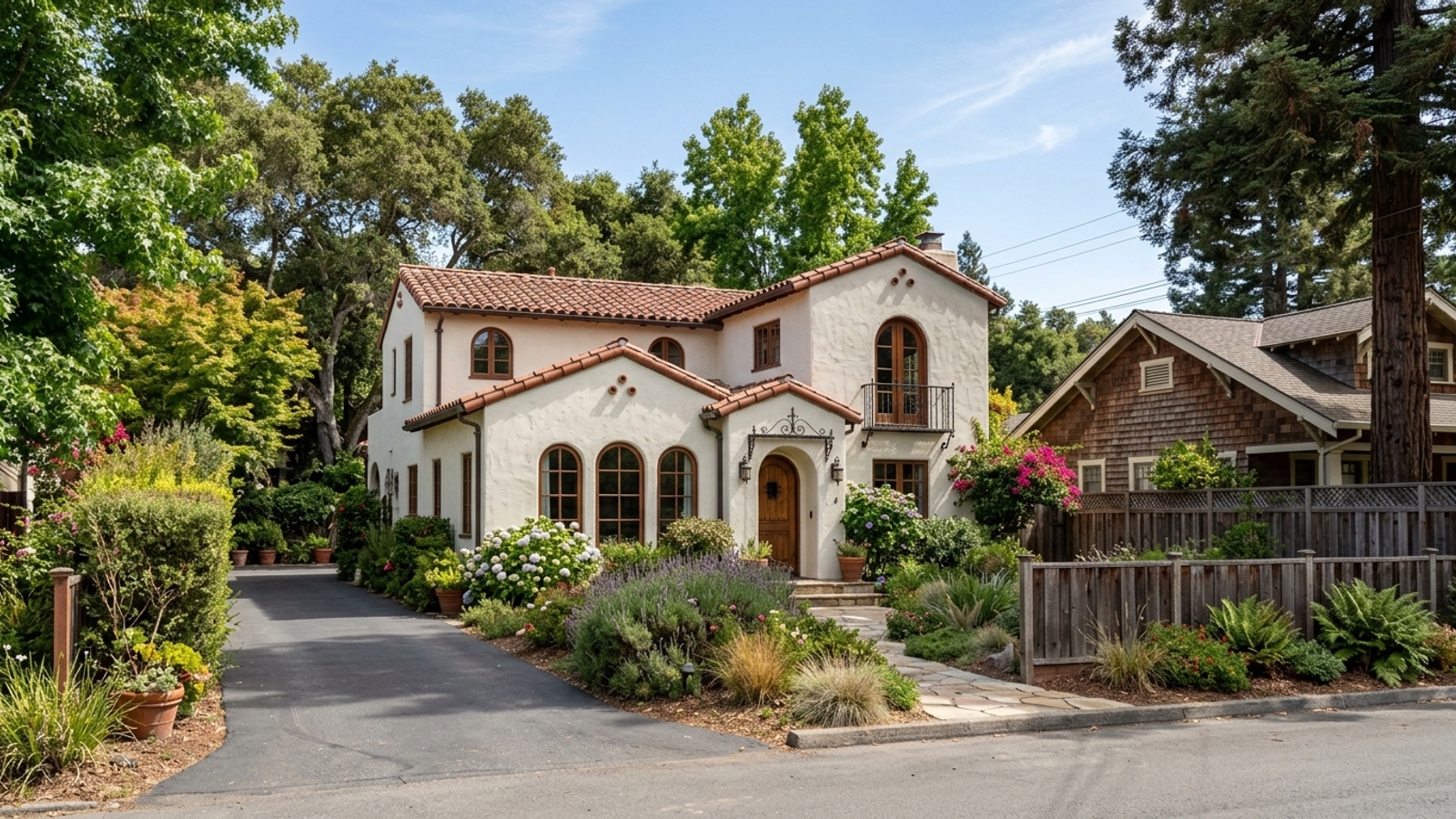
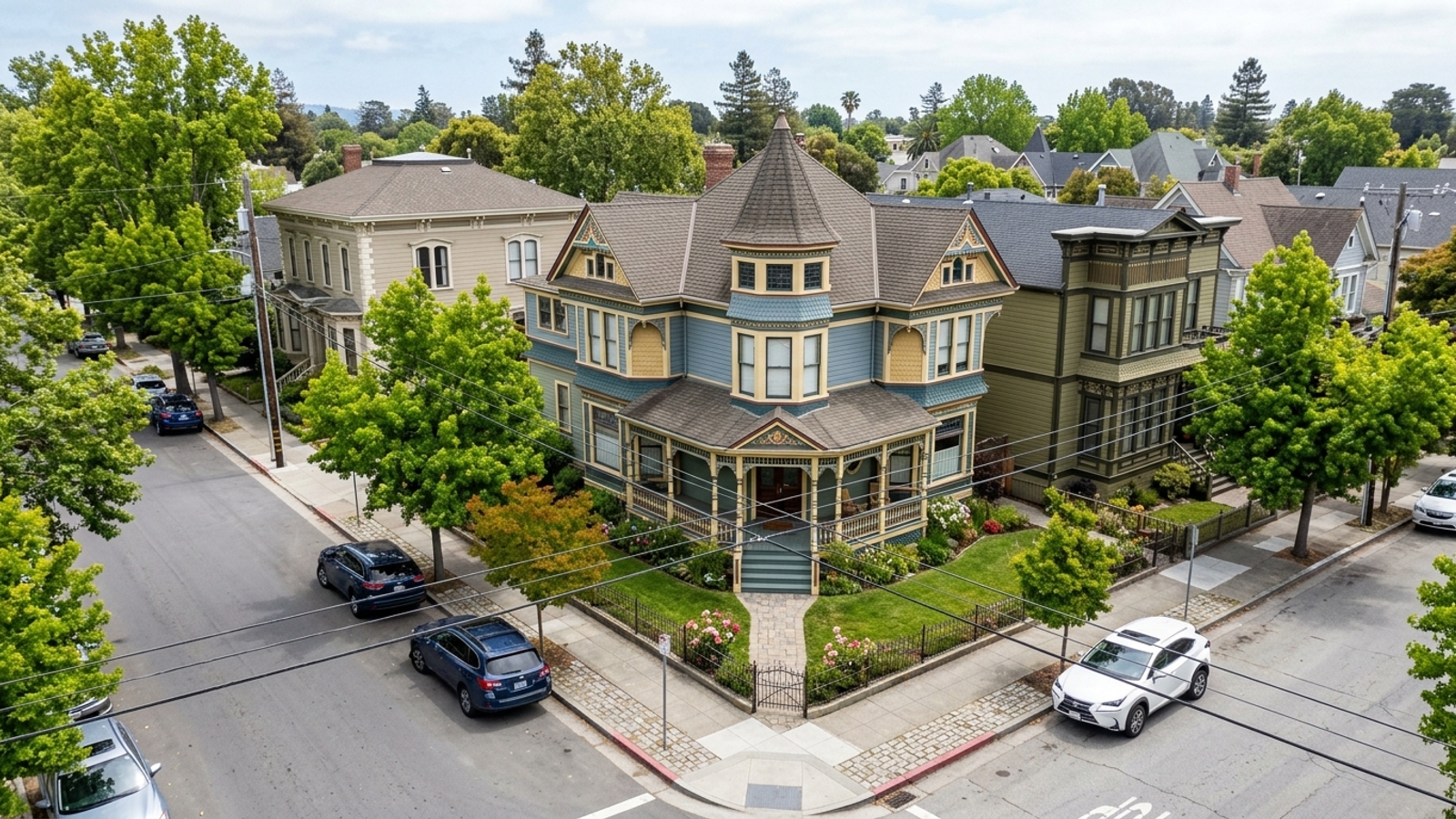
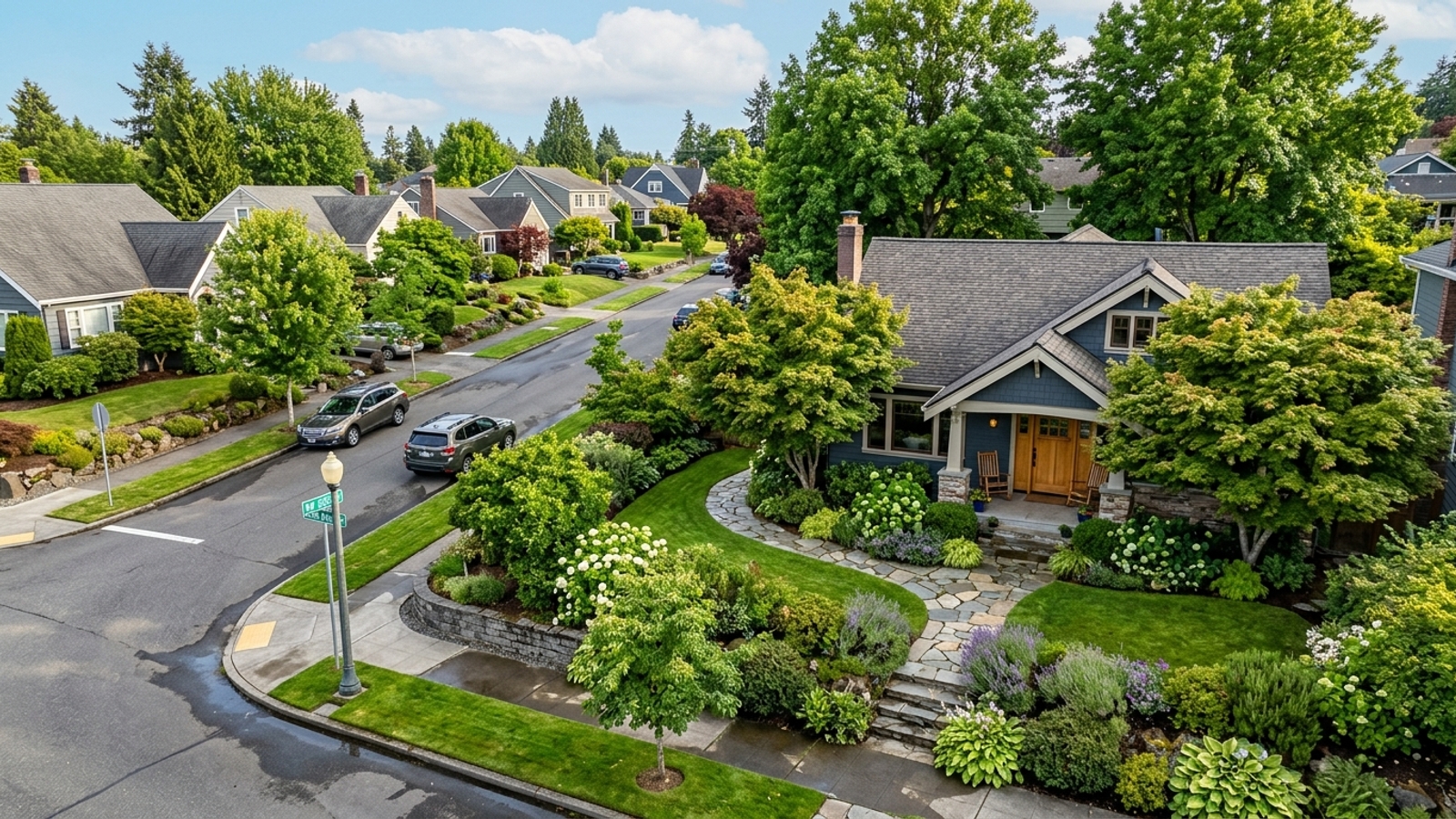
You will find a wide mix of housing options depending on how close you want to be to the water. The downtown area features older, historic homes and smaller condos within walking distance of shops and local amenities. Further inland toward the Santa Cruz Mountains, lots get larger and single-family homes offer more square footage.
Finding the Right Property Style
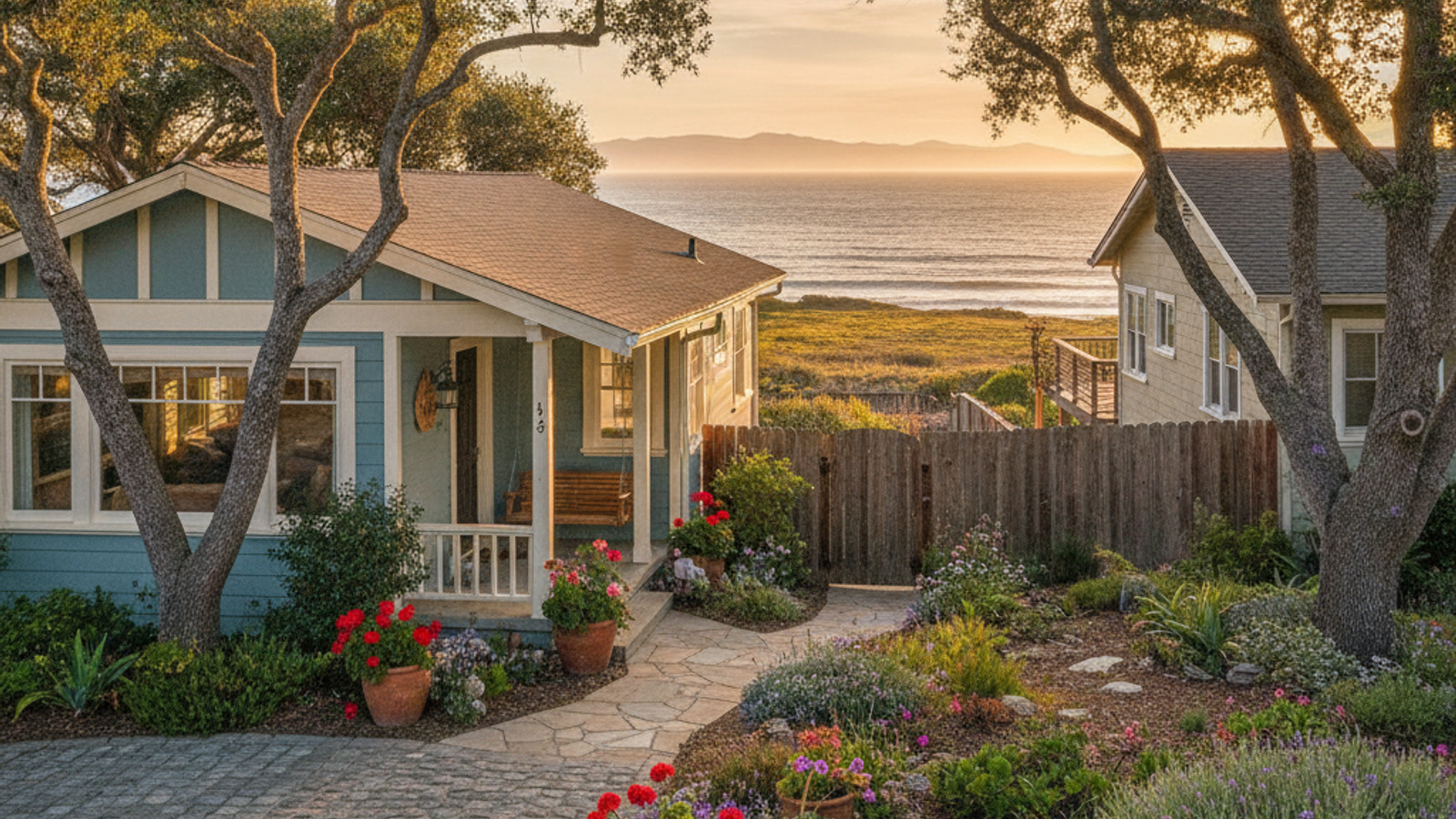
Coastal bungalows near the shoreline command a premium, often selling quickly to buyers prioritizing surf access and ocean views. These properties tend to have smaller footprints but offer unmatched proximity to the sand.
Buyers looking for lower entry points should explore townhomes and condos scattered throughout Santa Cruz City. These attached units provide a foothold in the local real estate market while typically requiring less exterior maintenance.
Monthly Expenses and Overall Living Costs
Housing costs drive the area’s overall living expenses well above the national average. Keeping a roof over your head in Santa Cruz County runs about 34% higher than the baseline for the rest of the United States. This premium directly reflects the high demand for coastal California real estate.
Beyond the mortgage or rent, everyday bills add up quickly. A single person’s monthly expenses average around $3,048 in 2026, excluding housing costs. This figure includes standard utility bills, groceries, and transportation.
Groceries and dining out at a local restaurant align with typical Bay Area pricing. Healthcare costs also track slightly above national figures, though they remain comparable to neighboring coastal markets. Buyers should factor these daily expenses into their overall budget before making an offer on a home.
Commuting to Silicon Valley and Getting Around
Driving over the Santa Cruz Mountains via Highway 17 is a daily routine for many residents working in the tech sector. The drive to San Jose typically takes 45 to 60 minutes during peak commuting hours. Weather conditions and traffic volume can extend this drive time, so commuters should plan accordingly.
For travel along the coast, Highway 1 serves as the primary artery connecting Santa Cruz to Monterey in the south and Half Moon Bay to the north. Local traffic often slows down on this route during summer weekends when visitors flock to the beaches.
Public Transit Alternatives
You do not have to rely entirely on a personal car to get over the hill. The Highway 17 Express bus offers a direct route to Diridon Station in San Jose, taking about 45 to 55 minutes depending on traffic. This transit option allows commuters to work or relax during the ride.
Within the city limits, the Santa Cruz Metro provides bus service connecting major neighborhoods, the downtown area, and the University of California, Santa Cruz. Biking is also a popular way to get around, with numerous dedicated cycling lanes making short trips practical.
Parks, Beaches, and Outdoor Recreation
Access to outdoor recreation is a major reason buyers target the Santa Cruz real estate market. The Monterey Bay National Marine Sanctuary sits right offshore, offering residents world-class surfing, paddleboarding, and wildlife viewing. The local surf culture is a massive part of the city’s identity.
Just north of the city limits, Wilder Ranch State Park provides miles of hiking trails and cycling paths along the coastal bluffs. Residents can explore old dairy farm buildings before heading out onto the dirt trails that overlook the Pacific.
Closer to the center of town, the Santa Cruz Beach Boardwalk remains a permanent fixture of the local coastline. While it draws heavy tourist traffic in the summer, locals often visit during the off-season to walk the nearby beaches and enjoy the oceanfront scenery.
Healthcare Facilities and Local Education
Buyers evaluating the area often look closely at local health and education infrastructure. Dominican Hospital serves as a major healthcare facility for the region, providing emergency services and specialized care. Several smaller clinics and urgent care centers support the broader Santa Cruz County population.
The Santa Cruz City Schools district manages public education across the immediate area. Enrollment data shows a county-wide trend of declining public school enrollment over the past few years, mirroring broader demographic shifts across coastal California.
The University of California, Santa Cruz (UCSC) occupies a massive campus built directly into the redwood forests above the city. The university brings a steady influx of students and faculty to the area, influencing local rental prices and supporting a steady stream of art galleries and cultural events.
Frequently Asked Questions
What is the cost of living in Santa Cruz, CA in 2026?
Excluding housing, a single resident can expect to spend roughly $3,048 per month on basic necessities like food, utilities, and transportation. Factoring in real estate, overall expenses run about 34% higher than the national baseline.
How long is the commute from Santa Cruz to Silicon Valley?
Driving Highway 17 into San Jose usually takes between 45 and 60 minutes during morning and evening rush hours. Taking the Highway 17 Express bus to Diridon Station offers a similar timeframe of 45 to 55 minutes without the stress of driving.
What types of homes are available in Santa Cruz?
The market includes everything from small coastal bungalows near the surf breaks to large single-family homes surrounded by redwood trees. Condos and townhomes are also available near the downtown area for those seeking lower maintenance properties.