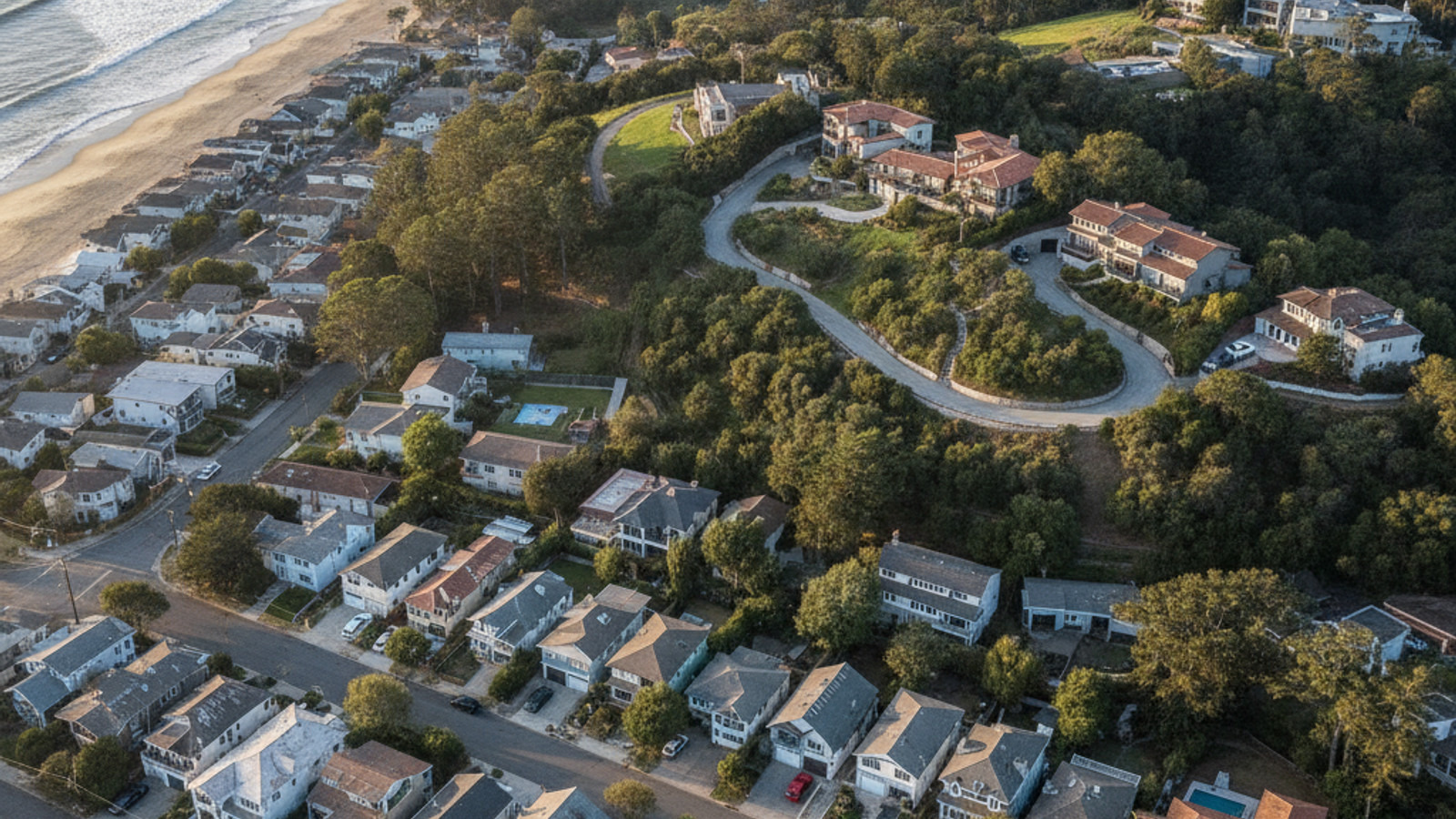
East of the San Lorenzo River, in what many consider some of the best neighborhoods in Santa Cruz, locals have long divided what outsiders just call “the Eastside” into two distinct sub-markets: the Upper Eastside and the Lower Eastside. Same general address, but different terrain, different housing stock, and a noticeably different daily rhythm.
The overall Santa Cruz market moves fast – homes are selling in roughly 15 days. On the Eastside, you’ll find a patchwork of smaller neighborhoods that range from dense coastal blocks to spacious hillside lots, and knowing which side of that divide you’re shopping in matters more than the label suggests.
Defining the Upper and Lower Eastside Neighborhoods
The San Lorenzo River marks the western edge of the broader Eastside. The Lower Eastside sits closest to the water, taking in waterfront neighborhoods like Seabright – essentially the stretch of land between the Santa Cruz Yacht Harbor and the river.
The Upper Eastside pushes further inland into hillier terrain, covering neighborhoods like Prospect Heights, the Banana Belt, and DeLaveaga. Some residents and listings also extend the Eastside label outward to the unincorporated areas of Live Oak and Pleasure Point, which share borders and coastal access with the official city limits but sit outside them.
Housing Costs and Property Styles
As of mid-2026, the median sale price for a home in Santa Cruz, CA is around $1.46 million. Active inventory sits at about 61 homes citywide, and competition is real – many properties close slightly above the listing price.
Within the Eastside, prices and housing types shift depending on how close you are to the water. Both coastal and inland pockets hold high values, but the architecture tells two completely different stories.
Price Trends in the Sub-Markets
Recent localized data puts Seabright, in the Lower Eastside, among the top four highest-priced sub-areas in the city, with significant gains in median home prices. The Upper Eastside holds its own at that same tier – Carbonera and Prospect Heights sit alongside Seabright at the top of the local pricing ladder.
Architectural Styles and Lot Sizes
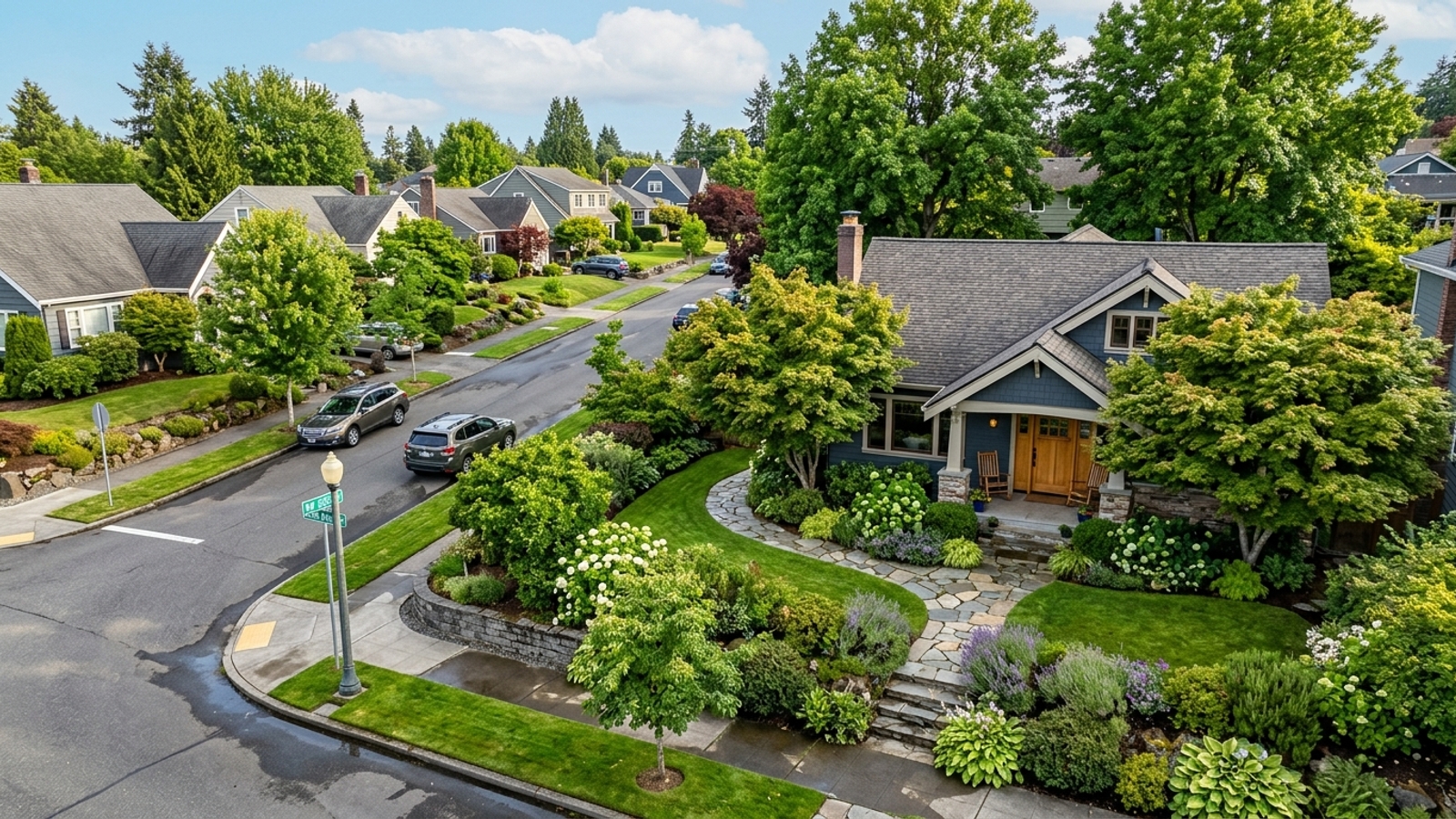
Lower Eastside neighborhoods like Seabright and Pleasure Point were built around beach access. Expect single-story or 1.5-story cottages with wood siding, small porches, and petite yards. They’re compact by design.
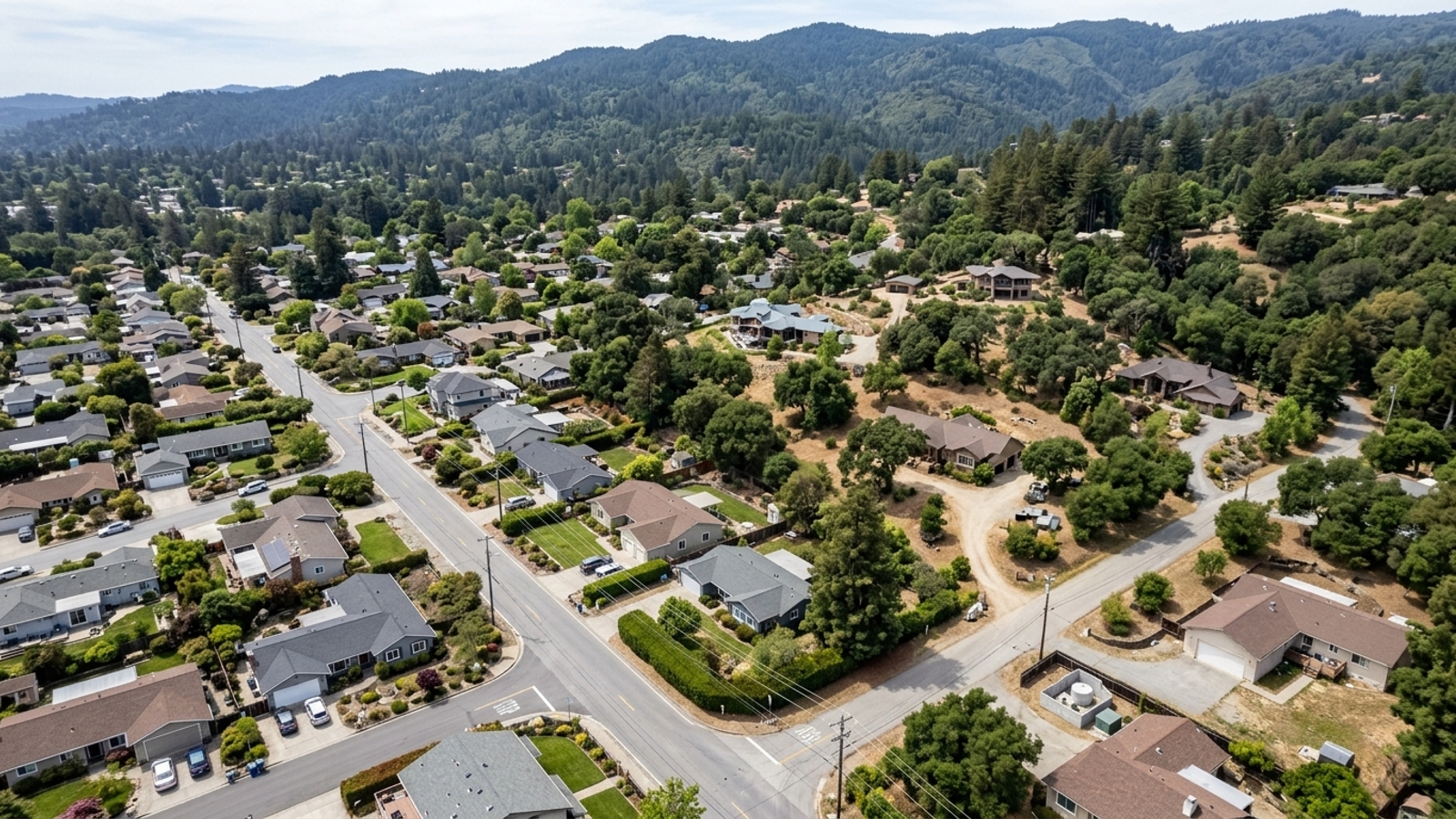
The Upper Eastside gives you more room. Neighborhoods near DeLaveaga Park have larger lots, sloped driveways built to handle the terrain, and considerably more sun exposure – which matters more than buyers usually expect until they’ve spent a foggy summer on the coast.
Local Amenities and Daily Living
DeLaveaga Park anchors the Upper Eastside – a pine-covered ridgeline with a 29-hole disc golf course, picnic areas, trails, a traditional golf course, and an archery range. It shapes the character of the inland neighborhoods around it in ways that are hard to overstate.
The Lower Eastside is organized entirely around the coast. Seabright serves as the main entryway to Seabright Beach, the long sandy stretch between the Santa Cruz Harbor and the Santa Cruz Beach Boardwalk. East Cliff Drive cuts through the broader coastal Eastside and connects to West Cliff Drive via a bike path – it’s one of the more useful pieces of infrastructure in the area if you’re commuting by bike or just trying to avoid traffic.
Retail Corridors and Commercial Spaces
The Lower Eastside has a walkable cluster of bars, restaurants, and shops near the intersection of Seabright and Murray. The Midtown corridor along Soquel Avenue adds bike shops, cafes, and live music venues to the mix.
The Upper Eastside is quieter on the retail front. You’ll find fewer options close to home and a short drive into Midtown becomes part of the routine for daily errands.
Commute Routes and Transit Options
Anyone leaving the Eastside heading toward the Westside of Santa Cruz or the South Bay will eventually meet the “Fishhook” – the merge of Highway 1 and Highway 17. It’s a well-known bottleneck, and a home that looks conveniently close to the highway on a map can feel significantly farther during weekday peak traffic. Test your specific route during rush hour before you commit.
Santa Cruz METRO buses run throughout the county, connecting the Eastside to Capitola, Watsonville, and Scotts Valley. For regional commuters, METRO also operates the Highway 17 Express between downtown Santa Cruz and San Jose. If you want specific route schedules around the Eastside, the CRUZ511 traveler-information resource is the place to start.
Common Questions About the Santa Cruz Eastside
Are Live Oak and Pleasure Point considered part of Eastside Santa Cruz when looking at homes for sale?
Yes – many residents and real estate listings extend the Eastside label to include Live Oak and Pleasure Point. These are unincorporated areas that share borders and coastal access with the official city limits.
Do property taxes and utility fees differ between the incorporated Eastside of Santa Cruz and the unincorporated Eastside areas?
They can. Because Live Oak and Pleasure Point are unincorporated, they fall under Santa Cruz County jurisdiction rather than the city. Buyers should check the specific parcel data for exact tax rates and utility providers, since municipal fees can vary across those lines.
How do short-term rental zoning laws compare between the city limits of Eastside Santa Cruz and the greater Eastside?
It comes down to whether the home sits within the incorporated city limits or the unincorporated county areas. Review current Santa Cruz County and city ordinances for specific short-term rental regulations based on the exact address – the rules aren’t uniform across that boundary.
Will my children be assigned to Santa Cruz City Schools if we buy in the extended Eastside rather than the official Eastside?
School assignments follow the exact property address, not the neighborhood label. Consult the local school district boundary maps to confirm assignments for any home in the unincorporated areas before assuming one way or the other.
Is there a noticeable difference in weather or microclimates between the Upper Eastside of Santa Cruz and the coastal Eastside neighborhoods?
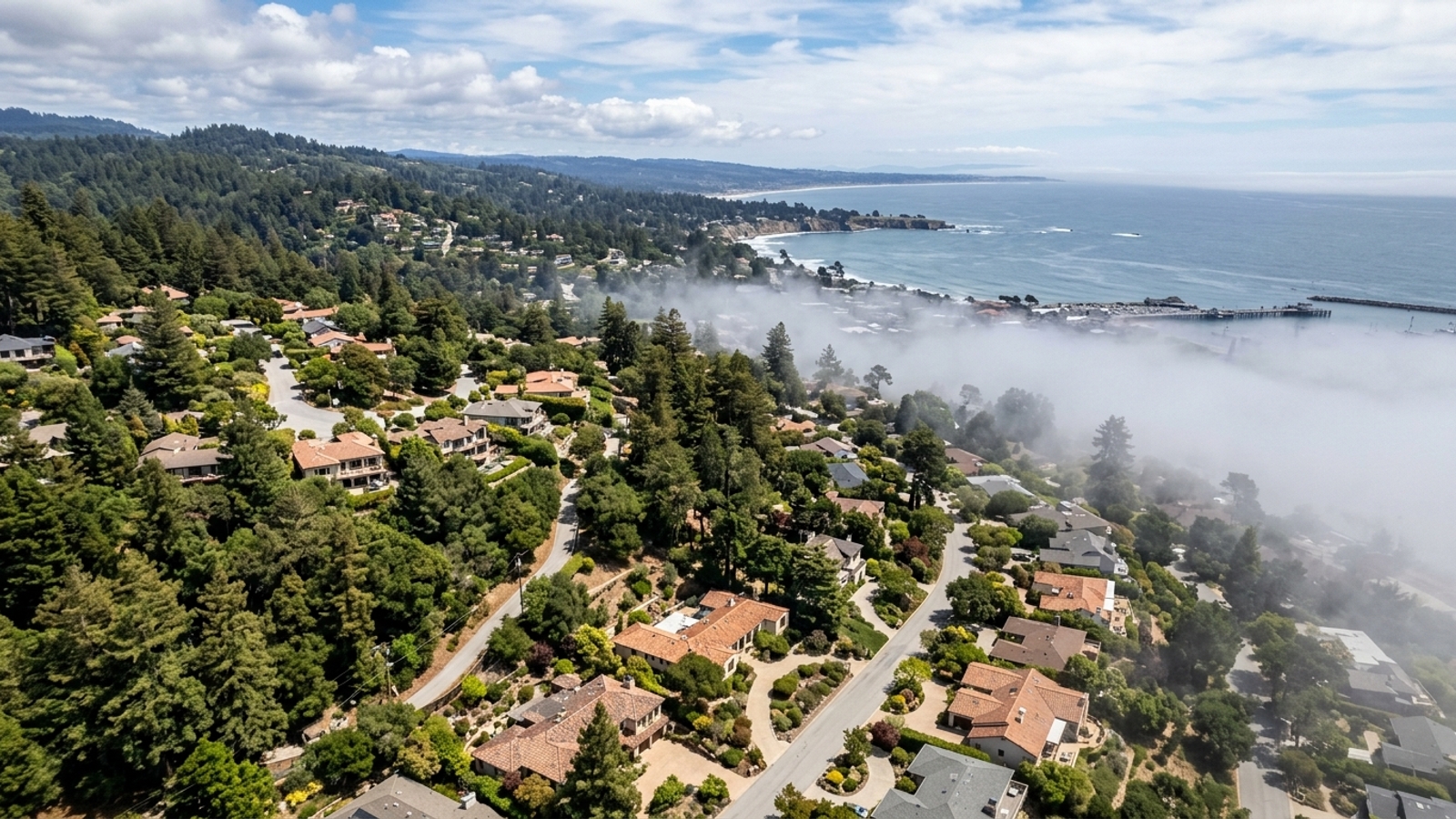
Yes, and it’s meaningful. The Upper Eastside gets more sun and warmth because of its inland, hilly terrain. The Lower Eastside sits directly on the water and picks up more coastal influence – which means more fog and cooler temperatures, especially in summer.
How much does the Highway 1 traffic affect commute times from the deep Eastside compared to Eastside neighborhoods closer to downtown?
The “Fishhook” merge of Highway 1 and Highway 17 creates a bottleneck that affects the whole area. Exact drive-time differences between the upper and lower sections vary by conditions, but commuters from either side should build in buffers during peak weekday traffic.

Leave a Reply