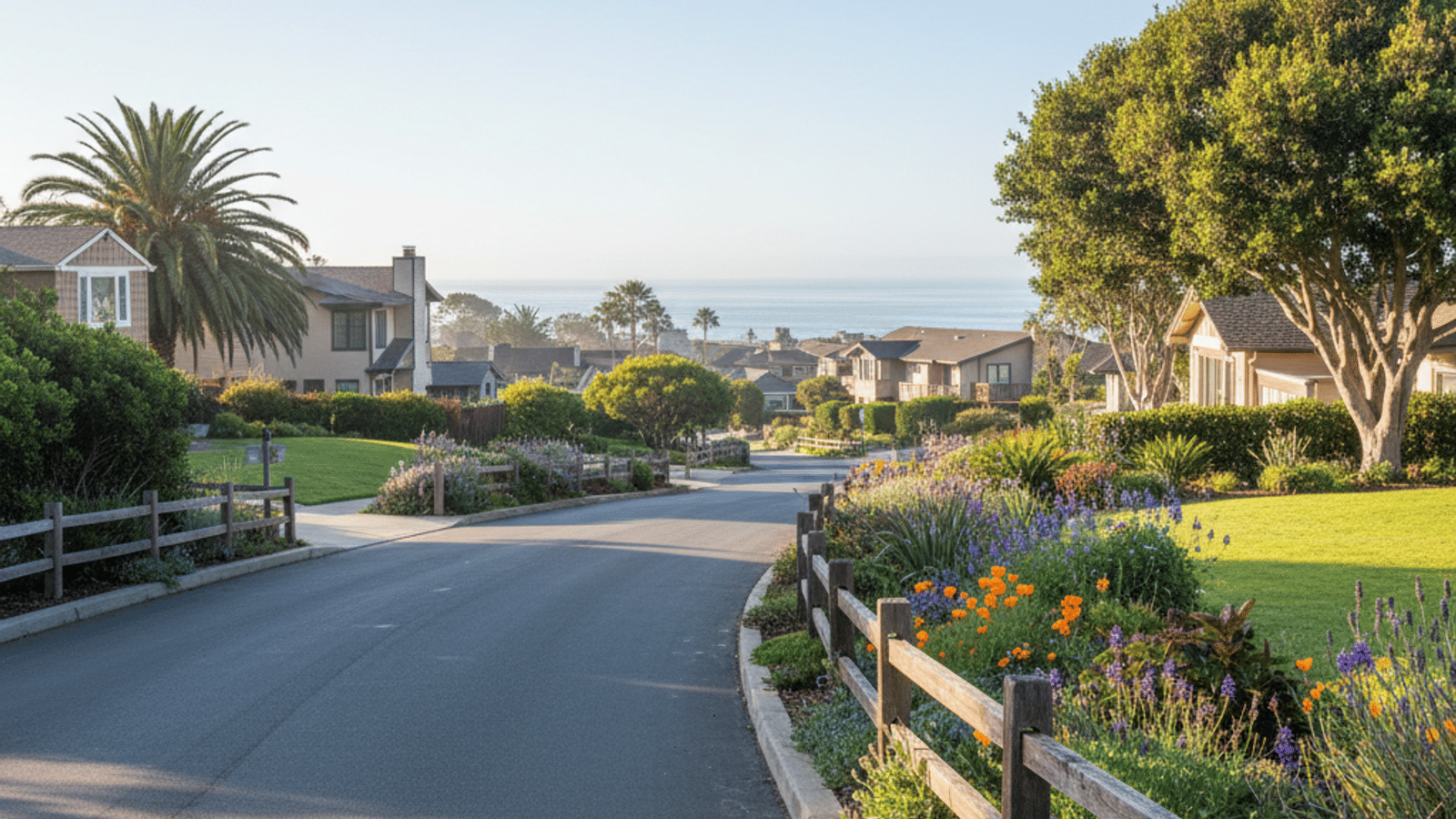
If you’re thinking about moving to California or shifting from the high-pressure environment of Silicon Valley, Santa Cruz often floats to the top of the list. It’s hard to beat the lifestyle here. We have world-class surf breaks, ancient redwood forests, and a cultural vibe that is significantly more relaxed than what you find “over the hill” in San Jose or Mountain View. For many parents, the dream of raising kids who grow up playing in tide pools and hiking forest trails is the ultimate draw.
However, living here comes with real trade-offs that go beyond just the price tag. While the natural beauty is undeniable, prospective residents in 2026 have to navigate a complex housing market, safety considerations, and a distinct “tourist town” dynamic. Determining if this area is the right fit really depends on your budget, your patience for summer traffic, and what kind of community environment you value most. Let’s break down what daily life actually looks like here so you can make an informed choice.
The Cost of Living Reality for Families in 2026
Let’s start with the financial picture, because that is usually the biggest hurdle. Living in this coastal paradise requires a significant budget, and housing is the primary driver of those costs. As we settle into 2026, the median home price in Santa Cruz County often hovers north of $1.3M, and in highly desirable neighborhoods, you are frequently looking at $1.5M or more for a turnkey single-family home. The market here is competitive, inventory is generally tight, and bidding wars are not uncommon for properties that are priced correctly.
If you are planning to rent before you buy, be prepared for sticker shock there as well. A standard two-bedroom apartment or small house typically averages around $3,600 per month. Availability can be scarce, especially when the university session begins, as students and local workforce compete for the same units. It’s smart to start your search early and have your documentation ready to go immediately.
Beyond the mortgage or rent check, daily expenses tend to run higher here than the national average. Groceries, gas, and utilities—especially with PG&E rates—add up quickly. One specific cost factor you need to investigate early is home insurance. If you are looking at homes in the “wildland-urban interface,” which includes many parts of the Santa Cruz Mountains and even parts of Aptos or Scotts Valley, fire insurance has become expensive and sometimes difficult to secure. It’s a critical line item to check before falling in love with a property.
Crime Rates and Safety Overview
Safety is often the first question on a parent’s mind, and Santa Cruz requires a nuanced look. If you look purely at statistics, you might see high property crime rates. It is true that bike theft and car break-ins are common issues here. Residents quickly learn the “Santa Cruz rules”: lock your bike with a heavy-duty U-lock (or better yet, bring it inside) and never leave valuables visible in your car, no matter where you are parked.
Violent crime rates, however, are generally lower than what you might see in major metro hubs, though they are higher than in quiet, master-planned suburbs. You will also notice a visible unhoused population, particularly downtown, along the San Lorenzo River levees, and near major shopping areas. While this is often more of a social crisis than a direct safety threat to pedestrians, it is a visible part of daily life that residents navigate.
Safety perception varies drastically by neighborhood. A few blocks can make a huge difference. Areas like the upper Westside or Scotts Valley generally feel very secure and quiet, whereas parts of the downtown corridor can feel grittier, especially at night. It’s always a good idea to visit a neighborhood at different times of day to see how the vibe changes.
Residential Areas and Neighborhoods
Choosing where to land in Santa Cruz County dictates your lifestyle. We don’t really have generic subdivisions; each pocket has a distinct personality and access to different amenities.
The Westside This is one of the most sought-after areas for its walkability and coastal access. You are close to West Cliff Drive for morning jogs and Steamer Lane for surfing. It’s home to Westlake Elementary, which is a major draw for many households. The trade-off is the price point; homes here are expensive, and lot sizes can be tight, but the community feel is strong.
Eastside / Seabright If you want to be near the Harbor and Twin Lakes Beach, this is the spot. It’s dense and lively, with plenty of walkable dining options and a strong local culture. It feels more like a beach town neighborhood where people know their neighbors.
Scotts Valley Just a few miles inland up Highway 17, Scotts Valley offers a totally different experience. It feels more suburban, with newer housing stock and larger driveways. The microclimate here is warmer and sunnier because it’s often above the coastal fog layer. It is a top choice for those prioritizing highly rated schools and a slightly shorter commute to Silicon Valley.
Aptos / Rio Del Mar Moving south, Aptos offers a quieter, “town” atmosphere. You tend to get a bit more house and land for your money compared to the Westside. It’s close to Nisene Marks State Park for hiking and feels slightly removed from the university bustle, making it popular for those who want a slower pace.
San Lorenzo Valley (Felton/Ben Lomond) For those who want to be immersed in nature, the mountain towns offer redwoods and river access at a more affordable price point. However, this comes with a winding commute, higher fire risk, and the need for serious emergency preparedness.
Schools and Education Options
Education is a huge factor for movers, and the options here are diverse. The presence of the University of California Santa Cruz (UCSC) influences the local academic culture, bringing a focus on environmental science and the arts.
In terms of public education, there are distinct differences between districts. Scotts Valley Unified is known for traditional suburban metrics and high test scores, making it a magnet for families focused on academic rigor. Santa Cruz City Schools offers a different environment; the high schools, like Santa Cruz High and Soquel High, have diverse student bodies and notably strong programs in arts, music, and sports.
For younger children, there are several standout elementary schools. Westlake on the Westside and Vine Hill in Scotts Valley are frequently recommended by locals. There are also smaller districts like Happy Valley that offer a unique, close-knit school experience.
If you are considering private or charter options, the area has several. Schools like the Kirby School, Gateway School, or Pacific Collegiate School (a high-performing charter) provide alternatives for students looking for smaller class sizes or specific college-prep environments. School ratings can fluctuate, so touring the campuses and talking to current parents is always your best bet.
Outdoor Lifestyle and Kids’ Activities
This is the section where Santa Cruz truly shines. If you want your weekends to revolve around being outside, this is the place. The access to nature here is year-round, thanks to our temperate Mediterranean climate.
Beaches are the obvious draw, but locals often skip the main Boardwalk beach in favor of spots like Natural Bridges, which has incredible tide pools for kids to explore, or Seabright State Beach. For hiking, Henry Cowell Redwoods State Park offers flat, easy loops that are perfect for strollers and toddlers, while Pogonip offers trails right near the city center.
Sports culture here is huge and distinct. You won’t just find soccer and baseball; you’ll find a massive community around youth surfing and mountain biking. The “Junior Guards” summer program is practically a rite of passage for local kids. It’s a rigorous beach safety camp that thousands of children participate in every summer, fostering a deep respect for the ocean and lifelong friendships.
For family outings, you have gems like the Seymour Marine Discovery Center, where kids can learn about marine biology, or Roaring Camp Railroads in Felton for a steam train ride through the trees. And yes, having the Santa Cruz Beach Boardwalk nearby is fun—though most locals tend to go during the off-season or on weekday evenings to avoid the heavy tourist crowds.
Commuting and Local Job Market
If you work in tech or corporate sectors, you likely already know about Highway 17. It is the primary artery connecting Santa Cruz to Silicon Valley, and it is a beautiful but demanding drive. The commute to San Jose typically ranges from 35 to 50 minutes, but it is highly variable. Accidents, weather, or beach traffic on summer Fridays can turn that drive into a much longer haul.
Locally, the economy is driven by education (UCSC is the largest employer), healthcare, tourism, and agriculture, particularly toward Watsonville. However, the rise of remote work has changed the landscape significantly. Many residents now work from home or operate on a hybrid schedule, only driving “over the hill” two or three times a week.
For those who do commute, major tech companies run shuttles that pick up in Scotts Valley and Santa Cruz. This can be a game-changer, allowing you to work or sleep during the ride rather than white-knuckling it through the curves of the mountains.
Summary: Pros and Cons of Raising a Family in Santa Cruz
To wrap things up, here is a quick look at the main trade-offs you will balance when living here.
Pros:
- Unbeatable access to nature, beaches, and redwoods.
- Temperate year-round weather (no snow, rarely freezing).
- Strong sense of local identity and community.
- Active, outdoor lifestyle is the norm, not the exception.
Cons:
- High cost of living, specifically regarding housing and gas.
- Property crime rates and visibility of homelessness.
- Summer tourist traffic can gridlock local streets.
- Fire risk and insurance challenges, particularly in the mountain areas.
Frequently Asked Questions
Is Santa Cruz safe for families?
Safety in Santa Cruz is neighborhood-dependent. While violent crime rates are generally lower than in large cities, property crime like bike theft is common. Most residents feel safe in residential areas like Scotts Valley, the Westside, and Aptos, but remain vigilant about locking doors and avoiding unlit areas downtown at night.
What is the best neighborhood in Santa Cruz for schools?
If you are looking for top-rated public schools in a traditional suburban setting, Scotts Valley is often the top choice. For those who prefer a coastal lifestyle within a walkable community, the Westside (zoned for Westlake Elementary) is highly regarded.
Is it expensive to live in Santa Cruz with kids?
Yes, the cost of living is significantly higher than the national average. Housing is the biggest factor, with median home prices over $1.3M and rents for family-sized homes often exceeding $3,600 per month. Groceries and utilities also tend to cost more here.
How is the commute from Santa Cruz to San Jose?
The commute via Highway 17 takes about 35 to 50 minutes in clear traffic, but it is unpredictable. Accidents or weather can cause significant delays. Many commuters utilize tech shuttles or hybrid work schedules to mitigate the stress of the mountain drive.





Leave a Reply