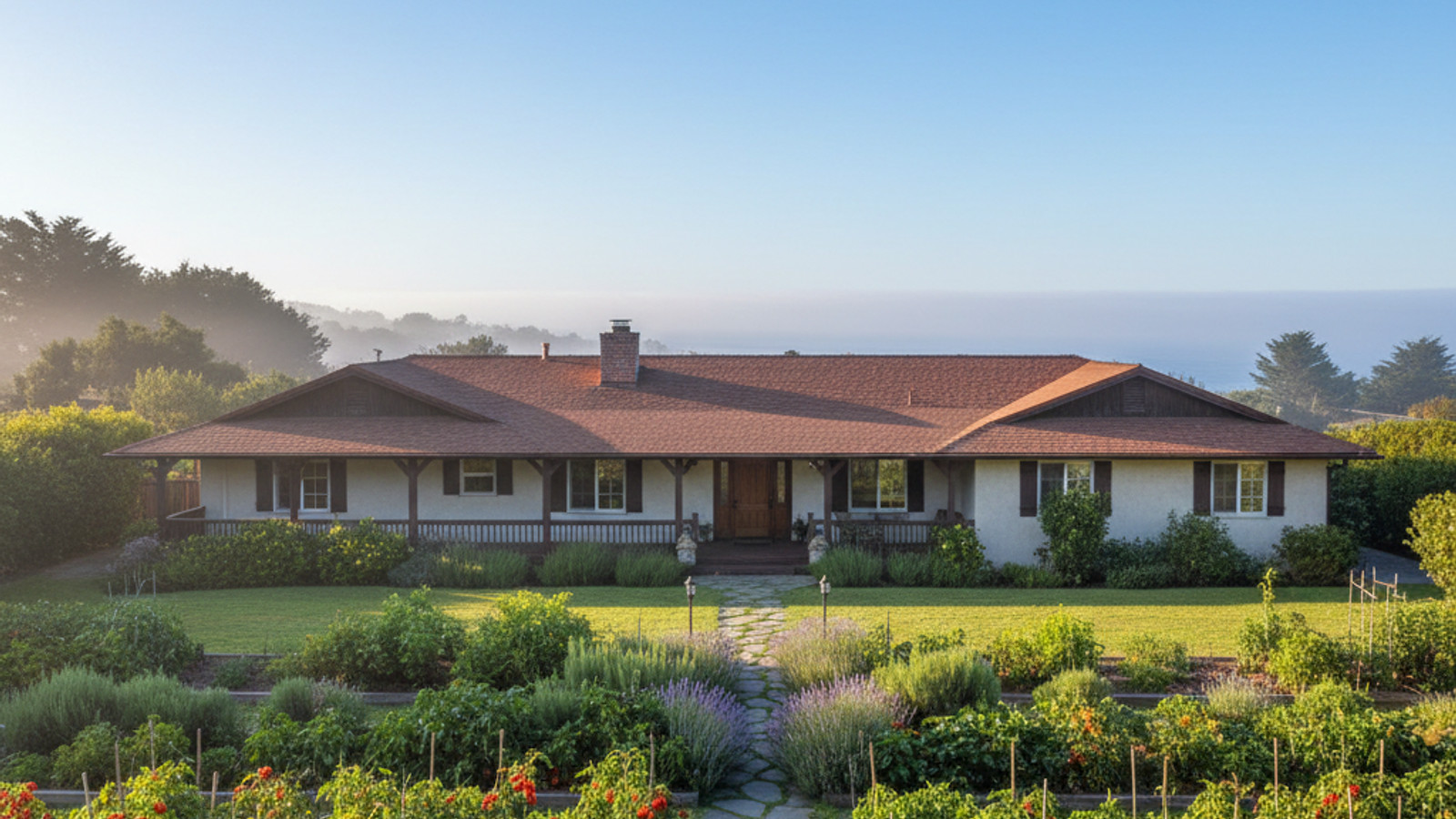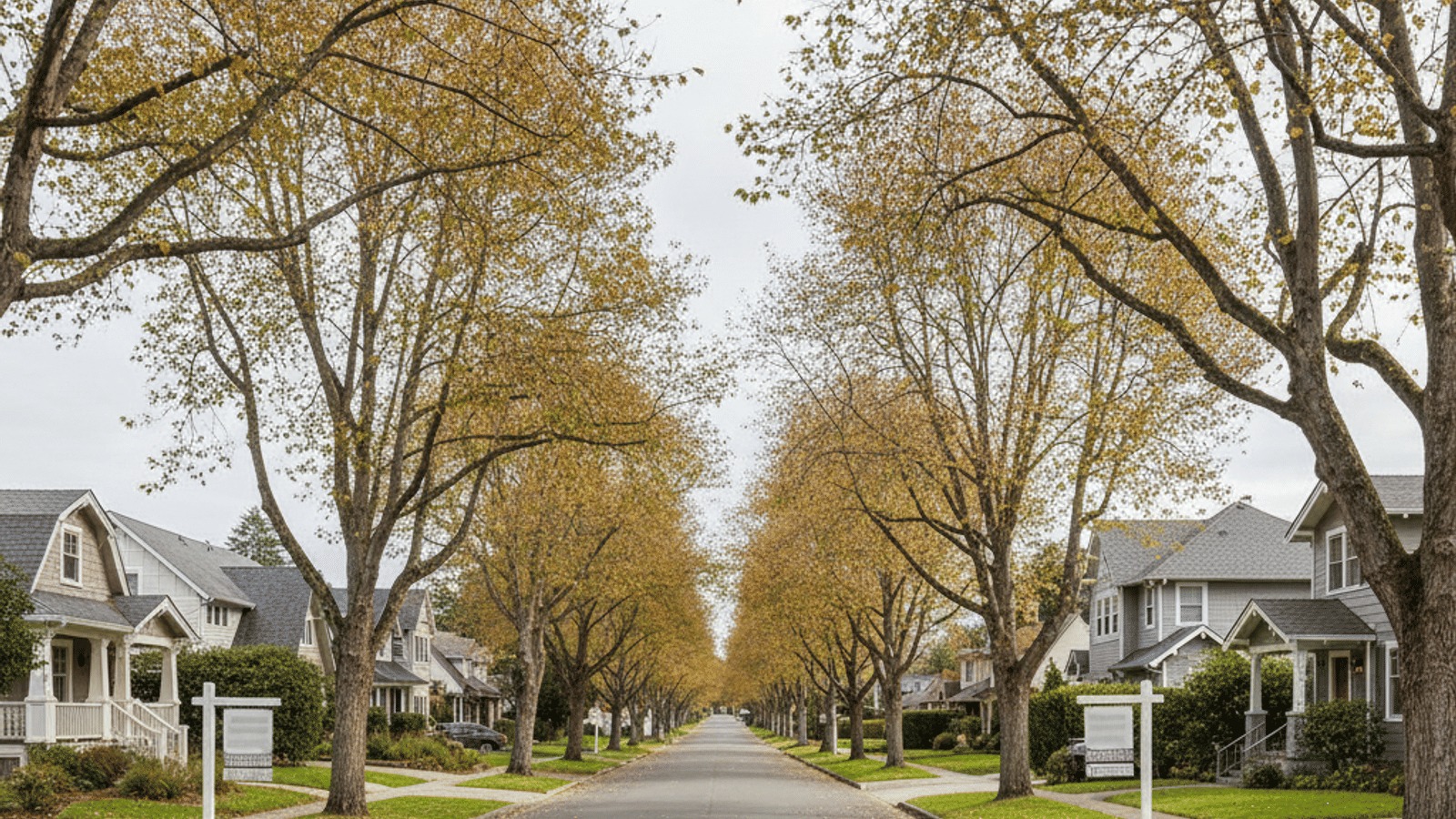
If you’ve been watching homes for sale in Santa Cruz County over the last few years, you probably got used to a specific rhythm: list prices that felt like starting bids, offers due within 48 hours, and a general sense of panic. As we settle into January 2026, the vibe on the street has changed. We are moving from a frantic seller’s market into something that feels a lot more like neutral ground.
The headline news for buyers right now is that you finally have room to breathe. Inventory has climbed significantly compared to the tight squeeze of 2024, and prices have softened year-over-year.
For the first time in a while, the “waiting game” might actually be over—provided you know how to navigate the new challenges, particularly around insurance.
2025 Year-in-Review: Prices Soften as Inventory Climbs
Reflecting on the past year, the market data illustrates a clear correction rather than a crash, marked by a noticeable year-over-year dip in pricing as 2025 concluded. While prices haven’t plummeted, they have significantly cooled from previous peaks, bringing the average cost of a home in Santa Cruz and the surrounding county into a more stable range.
Currently, the median home price in the City of Santa Cruz is stabilizing between $1.2M and $1.3M—an approximate 8-15% decrease from the absolute high.
Countywide, figures are hovering closer to the $1.1M mark, a significant adjustment that has reintroduced affordability into the conversation even if interest rates have not yet hit bottom. This shift is particularly relevant when compared to the average rent in Santa Cruz, which remains among the highest in the nation, often pushing tenants to reconsider the long-term value of homeownership in a cooling market.
This softening has impacted property types differently, as single-family homes bore the brunt of the price decline while condos maintained their value more effectively due to steady demand from first-time buyers and downsizers.
Supply & Demand: Why Homes Are Sitting Longer
If you drive around neighborhoods like the Westside or Scotts Valley, you might notice “For Sale” signs staying up longer than usual. Inventory levels have hit multi-year highs, finally breaking the 400-500 active listing barrier across the county. That is a stark contrast to the inventory droughts of 2023 and 2024.
With more options on the table, the pace of the market has slowed down. The average Days on Market (DOM) has lengthened to roughly 51 to 66 days. In previous years, if a home wasn’t in contract in two weeks, people wondered what was wrong with it. Now, a two-month timeline is becoming the standard baseline for a normal sale.
This shift has effectively killed the widespread bidding war culture we used to see. Data shows that only about 19% of homes are selling above the list price right now, down from over 40% during the frenzy.
Buyers no longer need to write an offer immediately after the open house; you have time to go home, sleep on it, and run the numbers.
The ‘Hidden’ Monthly Cost: Fire Insurance & The FAIR Plan
While purchase prices have recently softened, a significant hurdle has emerged in the local real estate market that every buyer must address before making an offer: wildfire insurance. This issue, combined with the baseline for property taxes Santa Cruz homeowners must account for, has become the primary ‘deal-killer’ in the local landscape.
Particularly for properties located in the mountains or along the wildland-urban interface, these combined carrying costs can shift a home from ‘affordable’ to ‘out of reach’ almost instantly.
The associated costs of this transition are quite high, as the insurance rates of the FAIR Plan have risen to as much as $10,000 to $20,000 per annum in the more vulnerable areas of the state, and an additional increase in insurance rates has already been proposed for the year 2026. The associated costs of these insurance rates can increase the monthly bill of a dwelling by as much as $1,500 or more and can significantly affect the DTI ratio of the consumer after purchase.
To mitigate this factor, it is essential for the prospective consumer to address the issue of insurance directly by acquiring quotes for the insurance coverage of the dwelling within the period of the purchase of the dwelling.
2026 Outlook: Stability or Stagnation?
So, where do we go from here? The consensus for 2026 is that we are entering a phase of stability. The sharp “correction” phase seems to be mostly behind us, and we are likely looking at a flat market or very slight appreciation in the range of 0-4%.
Interest rates are expected to settle in the low 6% range—somewhere between 6.1% and 6.4%. While we aren’t seeing the 3% rates of the past, this stability is helping buyers come off the sidelines. People are realizing that this is the new normal, and waiting for a miraculous rate drop might mean missing out on the current inventory selection.
Speaking of inventory, we expect it to remain healthy throughout the year. The “lock-in” effect—where sellers wouldn’t move because they didn’t want to lose their low rate—is easing. Life goes on, families grow or shrink, and sellers are accepting the current market reality.
Micro-Market Spotlight: City vs. Mountains vs. Coast
Santa Cruz isn’t one big monolith; it’s a collection of micro-markets that behave very differently.
- Santa Cruz City (Westside/Eastside): This remains the highest demand area. Homes here sell the quickest and generally have fewer insurance issues compared to the outskirts. If you are looking here, expect to face a bit more competition than elsewhere.
- The Mountains (San Lorenzo Valley/Bonny Doon): This area offers incredible value for money right now. You can get a lot more house and land for your dollar, but sales are slower. The heavy impact of insurance costs is the main driver here, causing inventory to sit and prices to be more negotiable.
- Coastal (Capitola/Pleasure Point): The luxury and vacation market here is resilient. While high-end homes are taking longer to sell, prices haven’t softened as much as they have inland. Demand for that ocean-close lifestyle tends to weather economic shifts better than other segments.
Strategic Advice for Buyers and Sellers in 2026
If you are looking to buy or sell this year, the strategy has changed from the “do whatever it takes” mindset of a few years ago.
For Buyers: Use the slower pace to your advantage. Negotiate. Since homes are sitting for 60+ days, you have leverage to ask for credits. You might ask the seller to cover a “2-1 buydown” to lower your interest rate for the first couple of years, or ask for a credit to offset the first year of a high insurance premium. And please, take your time with inspections. There is no need to waive them in this market.
For Sellers: Pricing is absolutely critical. “Aspirational” pricing—trying to test the market at a high number—will likely result in your home sitting stale for months. Buyers are savvy and have plenty of other options. Also, curb appeal now includes “fire hardening.” Clearing brush, cleaning gutters, and making the home look defensible is now essential not just for aesthetics, but for the buyer’s insurability.
FAQs
Is the use of the home use inventory on the increase in the Santa Cruz region?
Yes, there has certainly been an increase in inventory from what we saw at the lows of 2024. We are now seeing active listings regularly surpass the 400-500 level in the county. That means there are more options available for purchase than there have been in a long time.
Will house prices drop in Santa Cruz in 2026?
Most forecasts suggest that the major price drops happened in late 2025 and that 2026 will be more about stability. We expect prices to remain relatively flat or see very modest growth, rather than experiencing another steep drop.
Is it hard to get home insurance in Santa Cruz?
It can be challenging, especially in the Santa Cruz Mountains and high fire-risk zones. Many buyers are relying on the California FAIR Plan because traditional carriers have pulled back, so verifying insurability early in the buying process is vital.
Is now a good time to buy a house in Santa Cruz?
If it is important to have your choice of properties to consider and negotiate price and terms, then yes, it is a good time. Although the interest rates are no longer at record lows, the absence of bidding wars gives you time to reflect and make an informed choice without the rush of a hot market.