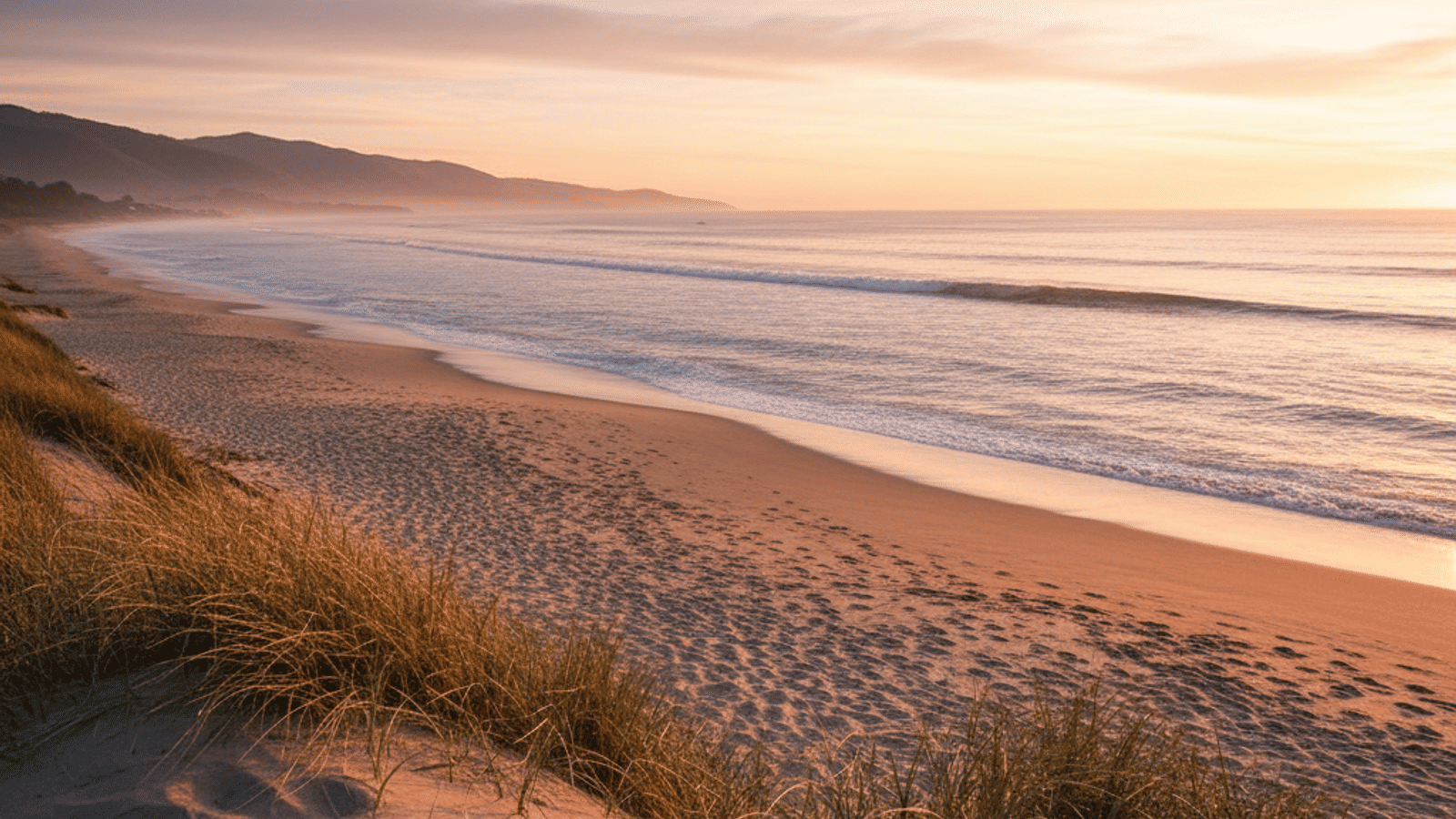
When people think of Santa Cruz, the first images that usually pop up are the giant dipper roller coaster, the surfers at Steamer Lane, or the redwood forests. But if you’re looking at living in Santa Cruz, it helps to understand that our history goes much deeper than just summer vibes and beach boardwalks.
The character of our Santa Cruz neighborhoods today was shaped by a fascinating timeline that stretches back thousands of years. From indigenous stewardship and Spanish missions to a rough-and-tumble logging era and a modern university boom, every street here tells a story. Whether you are browsing Santa Cruz neighborhoods for a Victorian fixer-upper or a modern condo, knowing this history gives you a real appreciation for the ground you’re standing on.
Indigenous Origins: The Awaswas and Uypi People
Long before the first European ship was spotted on the horizon, this region was home to the Awaswas-speaking Uypi people. They didn’t just live on the land; they actively managed it. The area we now call Santa Cruz was known as “Aulinta,” and it was a thriving landscape supported by the stewardship of its original inhabitants.
The Uypi people understood the local ecosystem intimately. They utilized controlled burns to clear brush, which encouraged the growth of seed-bearing plants and kept the forests healthy. This wasn’t a wilderness left to chance; it was a carefully tended garden that supported an abundance of shellfish, game, and plant resources. When we talk about the natural beauty of the area today, we are looking at a landscape that has been cared for by human hands for over 10,000 years.
The Spanish Era: Mission Santa Cruz and Branciforte
The foundations of the modern city were built on a tale of two very different settlements sitting right across the river from each other. It started on August 28, 1791, when Father Fermín Lasuén founded Mission Santa Cruz, the 12th mission in the California chain. This established the religious and agricultural hub of the area, centered around what is now the Mission Hill neighborhood.
However, things got complicated in 1797. The Spanish government established the Villa de Branciforte just across the San Lorenzo River. Unlike the religious mission, Branciforte was a secular pueblo established for retired soldiers and settlers. It developed a bit of a reputation for being rowdy and lawless, starkly contrasting with the strict order of the mission.
Eventually, after the secularization of the missions in 1834, these two distinct communities—the pious mission side and the wilder Branciforte side—began to merge. That merger formed the core of the city we know today, blending the history of the church with the independent spirit of the settlers.
Industrial Boom: Lime, Logging, and Powder
While we think of Santa Cruz as a tourist town now, our mid-19th-century economy was built on hard labor and heavy industry. When the Gold Rush hit California, San Francisco exploded in size, and they needed materials to build it. Santa Cruz had exactly what they needed: lumber and lime.
If you’ve hiked around the area, you’ve likely seen the name “Cowell.” That comes from Henry Cowell, who became a titan of the lime industry. His operation at the Cowell Lime Works processed the limestone needed to make mortar for San Francisco’s brick buildings.
During the same era, the California Powder Works was churning out blasting powder used in mining and later during the Civil War. These industries were the engine that drove the development of our infrastructure:
- Rail Lines: The trains—like those at Roaring Camp—weren’t built for tourists originally; they were built to haul massive redwood logs and lime down to the ocean.
- Wharves: Several wharves were constructed to load these heavy goods onto ships, creating the framework for our coastal connection.
The Golden Age of Tourism: The Boardwalk and Trains
By the early 1900s, the heavy industry began to wane, and a local entrepreneur named Fred Swanton had a different vision. He wanted to create a “Coney Island of the West.” Despite a disastrous fire that burned down his first attempt, Swanton persisted and opened the Santa Cruz Beach Boardwalk and Casino in 1907.
This marked a huge shift for the city. The trains that used to haul lumber began running the “Suntan Special,” bringing trainloads of tourists from the Bay Area over the hill to the beach. This era sparked a housing boom in the lower lands near the water, creating the density of small summer cottages that still characterizes Beach Flats real estate today.
Surf City Origins: The Three Princes
You’ll hear arguments about where “Surf City” really is, but Santa Cruz has a historical claim that is hard to beat. Surfing on the mainland United States didn’t start with Gidget or the Beach Boys; it started here in July 1885 with royalty.
Three Hawaiian princes—David Kawānanakoa, Edward Kalanianaʻole, and Jonah Kūhiō Keliʻiahonui—were attending military school in San Mateo. During a break, they came to Santa Cruz, shaped traditional boards out of local redwood, and surfed the river mouth of the San Lorenzo. This event is widely cited as the birth of surfing in the Americas.
Decades later, in the 1950s and 60s, local legend Jack O’Neill developed the modern wetsuit here. This invention turned surfing from a summer novelty into a year-round lifestyle, deeply influencing the culture of areas like Pleasure Point. If you are looking at Pleasure Point homes, you are looking at the heart of this cold-water surf heritage.
Modern Transformation: The University and 1989 Earthquake
Two massive events in the late 20th century reshaped the demographic and physical landscape of Santa Cruz. The first was the establishment of the University of California, Santa Cruz (UCSC) in 1965.
The arrival of the university changed the town from a sleepy retirement and resort community into a vibrant, counter-cultural hub. It brought students, professors, and a new wave of progressive politics that still defines the city. This influx created a consistent demand for housing that impacts the market to this day, especially in the Westside Santa Cruz neighborhoods near campus.
The second defining event was the Loma Prieta Earthquake on October 17, 1989. Striking at 5:04 PM, the quake devastated the historic brick buildings of the Pacific Garden Mall. While it was a tragedy, the rebuilding effort allowed the city to reimagine Downtown Santa Cruz. The wide, pedestrian-friendly sidewalks and modern layout of Pacific Avenue are a direct result of that resilience and reconstruction.
Architectural Legacy: Housing Styles Through the Decades
Because Santa Cruz grew in waves, our housing stock is an eclectic mix of styles. Driving through the streets is like taking a tour through architectural history. If you are interested in historic homes for sale, you will likely encounter a few specific styles that dominate our older neighborhoods.
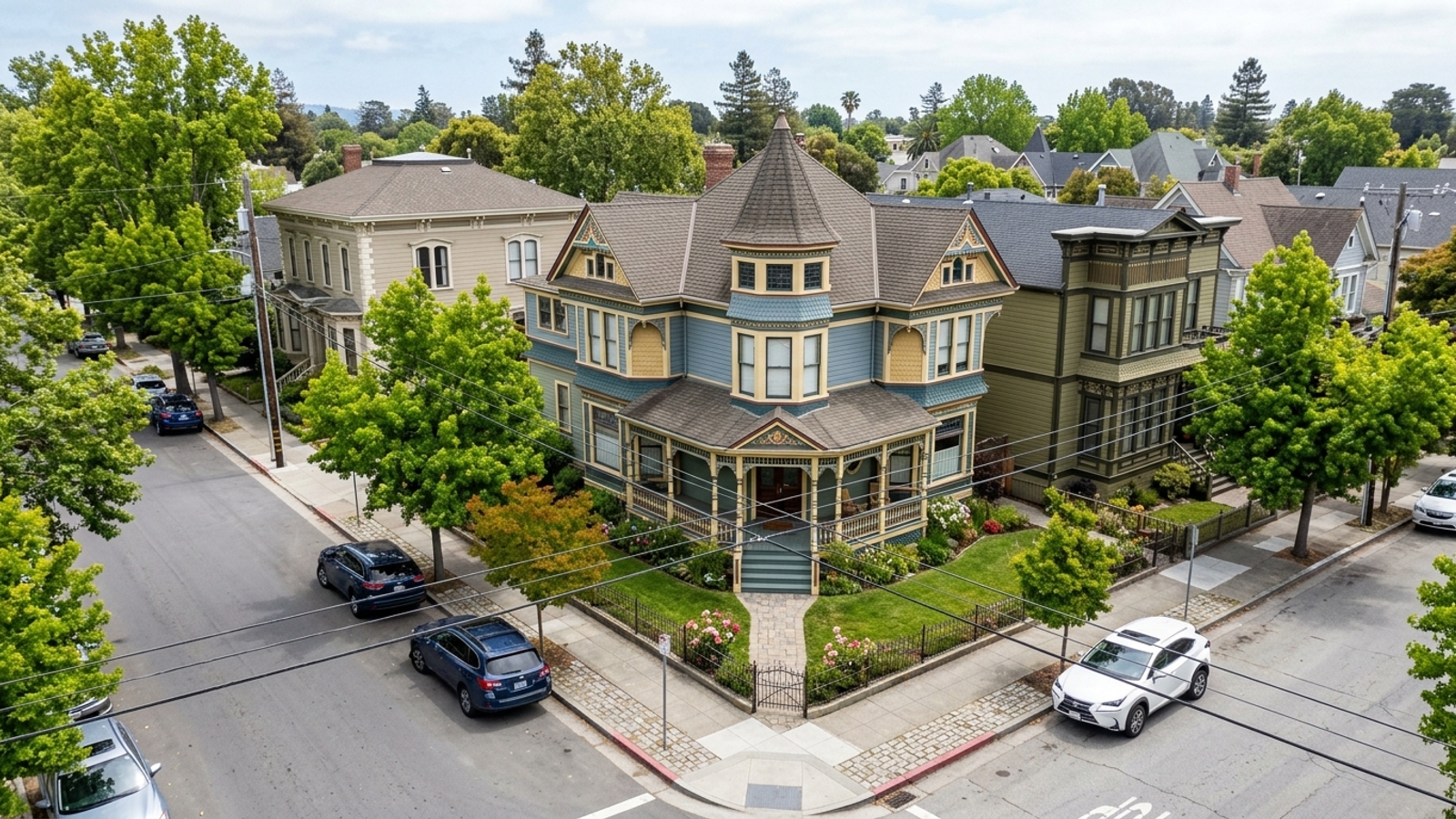
- Victorian Era: On streets like Walnut Avenue and near Mission Hill, you will find stunning Queen Anne, Eastlake, and Stick-style homes. These are the “grand dames” of the city, often featuring intricate woodwork and high ceilings.
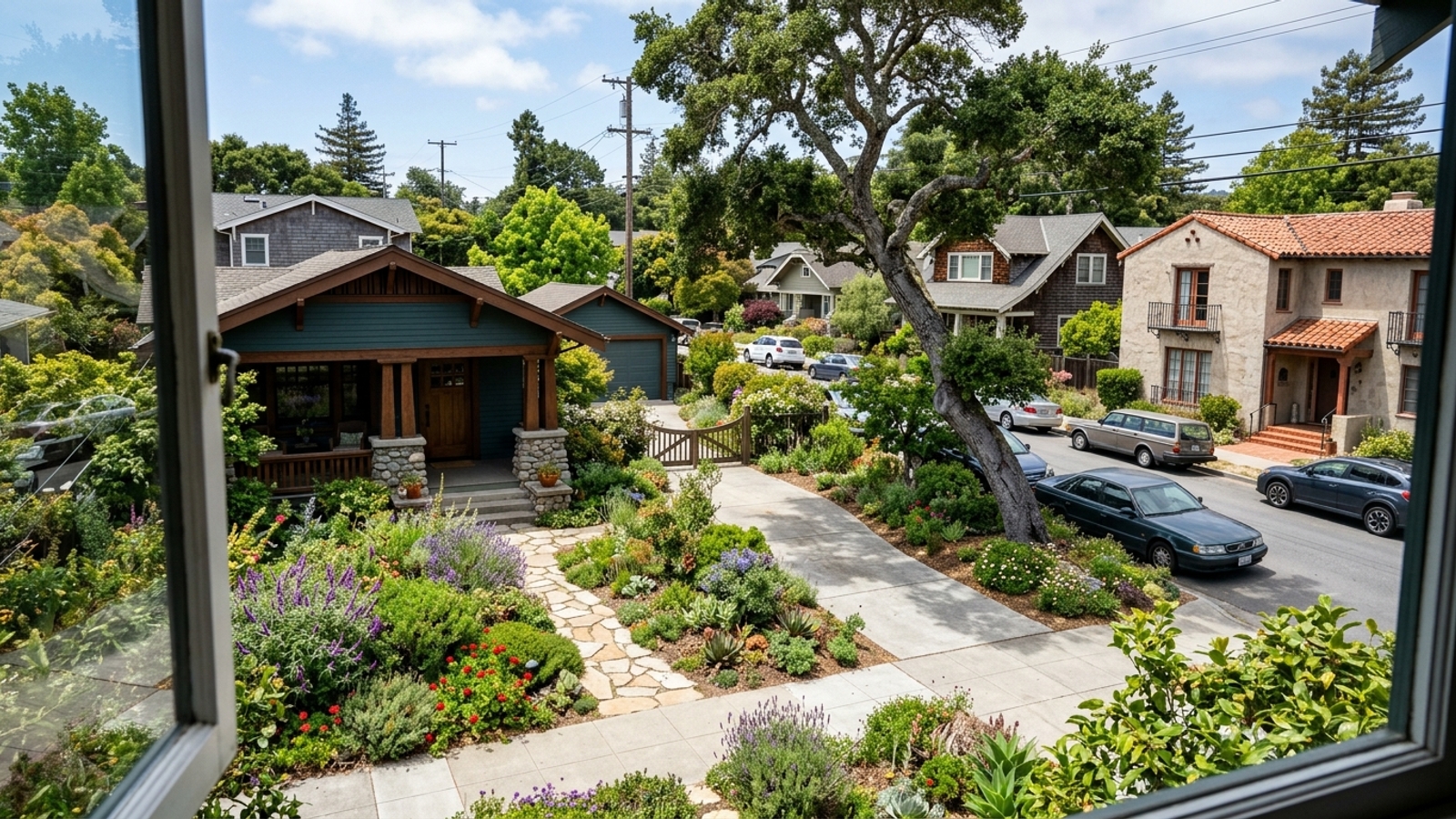
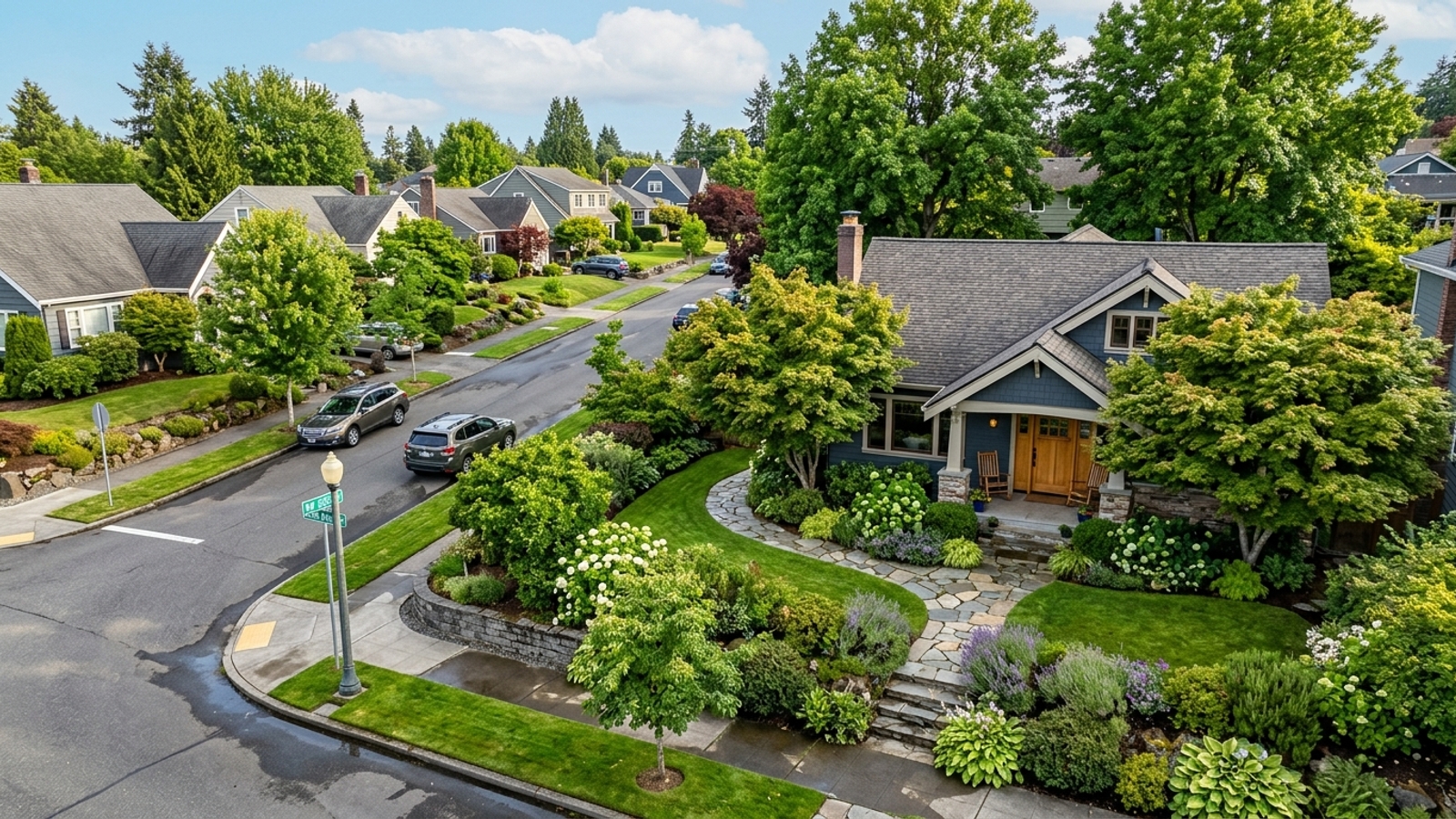
- Craftsman & Bungalow: As the city expanded in the early 20th century (especially in Seabright and the Eastside), the Craftsman bungalow became the home of choice. These are beloved for their cozy feel and built-ins.
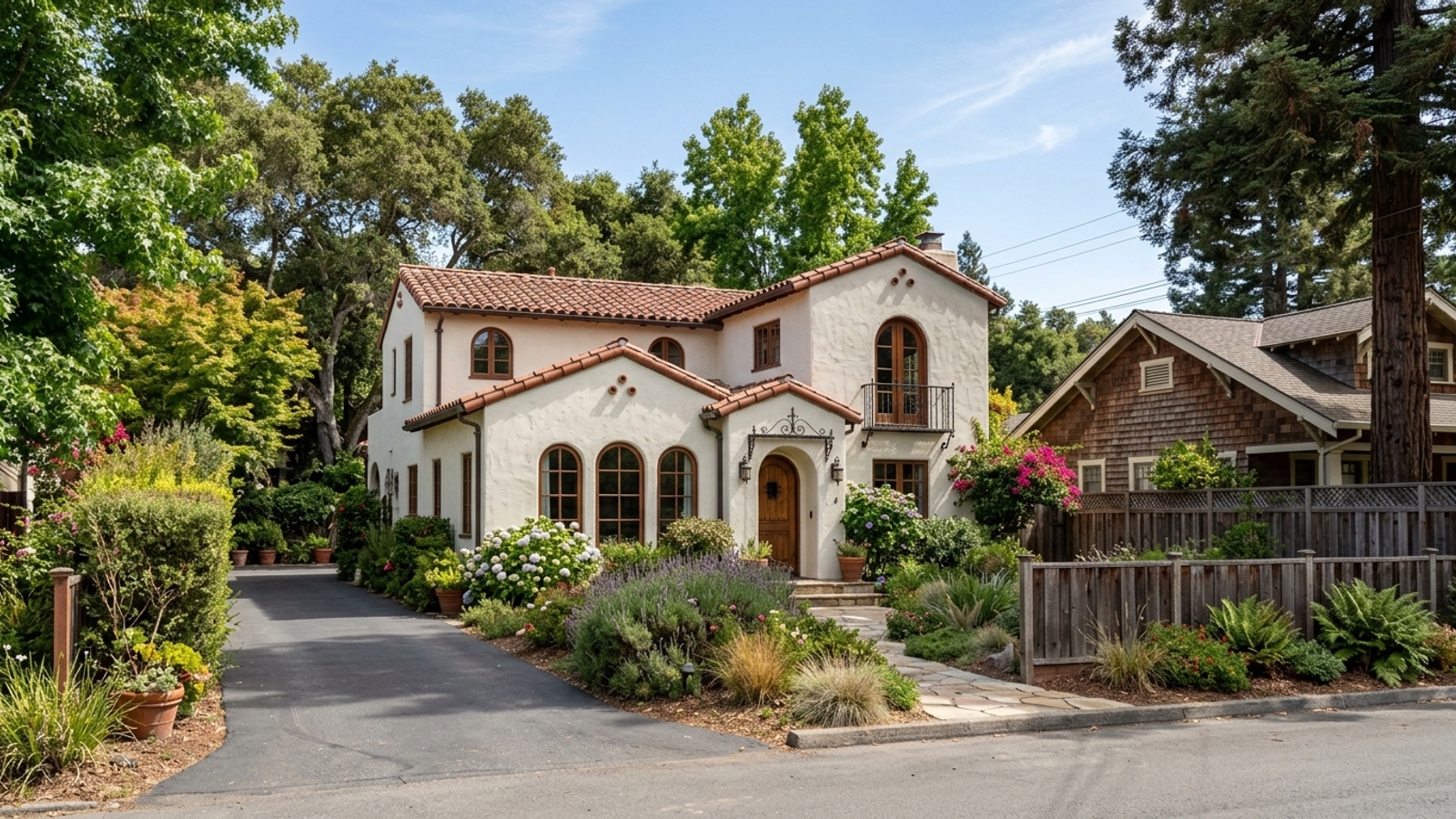
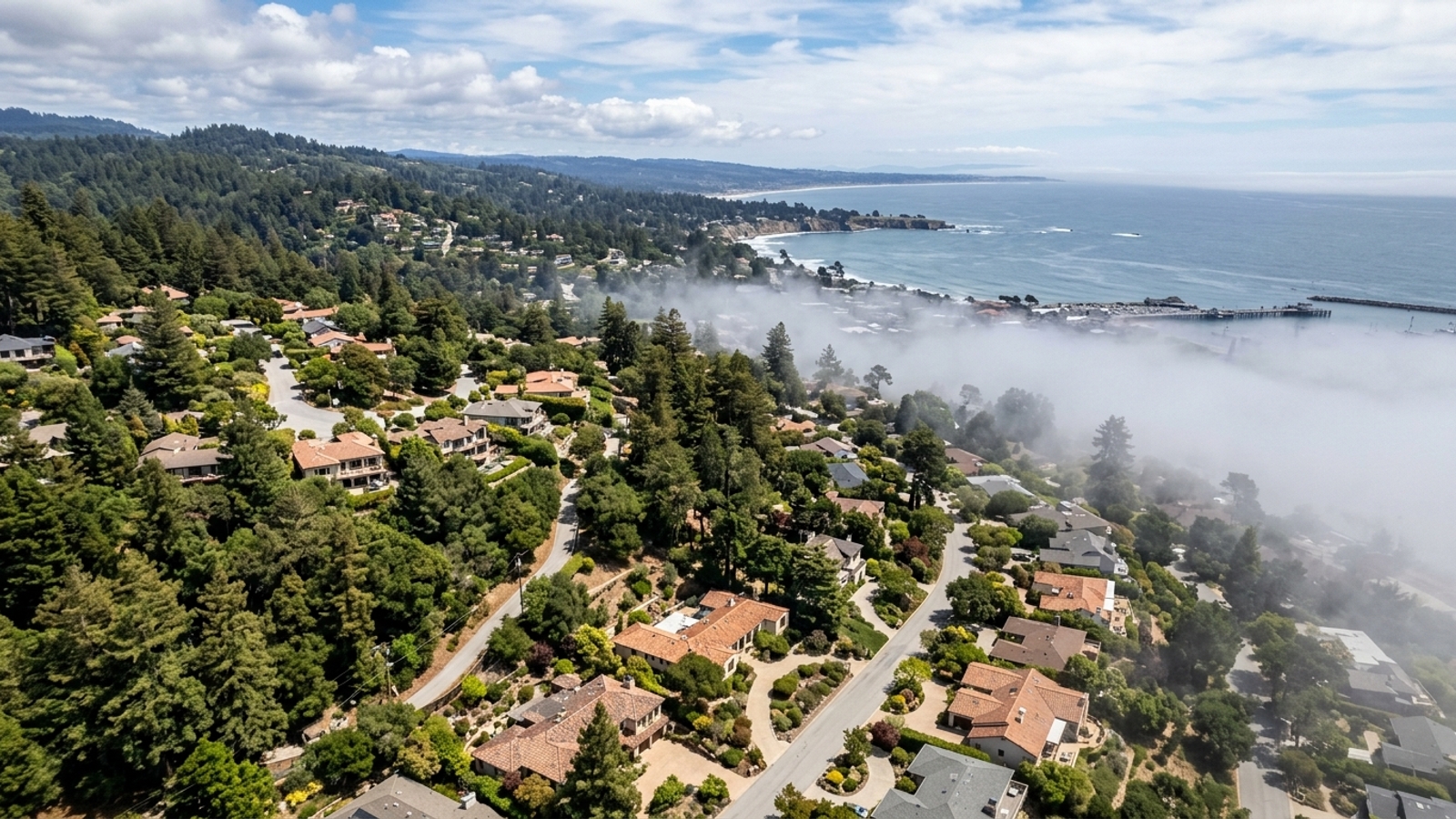
- Mission Revival: Reflecting our Spanish roots, you’ll see stucco homes with red tile roofs scattered throughout the older districts.
- Mid-Century & Ranch: Post-war expansion pushed development further out, bringing practical, single-story ranch homes to the market.
Local preservation is taken seriously here. You might spot blue plaques on certain buildings—these designate structures of historical significance recognized by the Museum of Art & History. It’s a great way to know you’re looking at a piece of the city’s soul.
Frequently Asked Questions About Santa Cruz History
When was Santa Cruz founded?
Santa Cruz has two founding dates depending on what you count. The Mission Santa Cruz was founded on August 28, 1791, but the city itself wasn’t incorporated until 1866, after the mission and the secular settlement of Branciforte merged.
Who were the original inhabitants of Santa Cruz?
The original stewards of this land were the Awaswas-speaking Uypi people. They inhabited the region for thousands of years before Spanish arrival, actively managing the landscape through controlled burns and sustainable harvesting.
How did the 1989 earthquake affect Santa Cruz?
The Loma Prieta earthquake caused massive destruction, particularly to the unreinforced masonry buildings in the historic downtown area. It forced a complete rebuild of the Pacific Garden Mall, resulting in the modern, wider, and safer Pacific Avenue we have today.
Why is Santa Cruz famous for surfing history?
Santa Cruz is the birthplace of surfing on the US mainland. In July 1885, three Hawaiian princes surfed the San Lorenzo river mouth on redwood boards, cementing the city’s connection to the sport long before it became a global phenomenon.

Leave a Reply