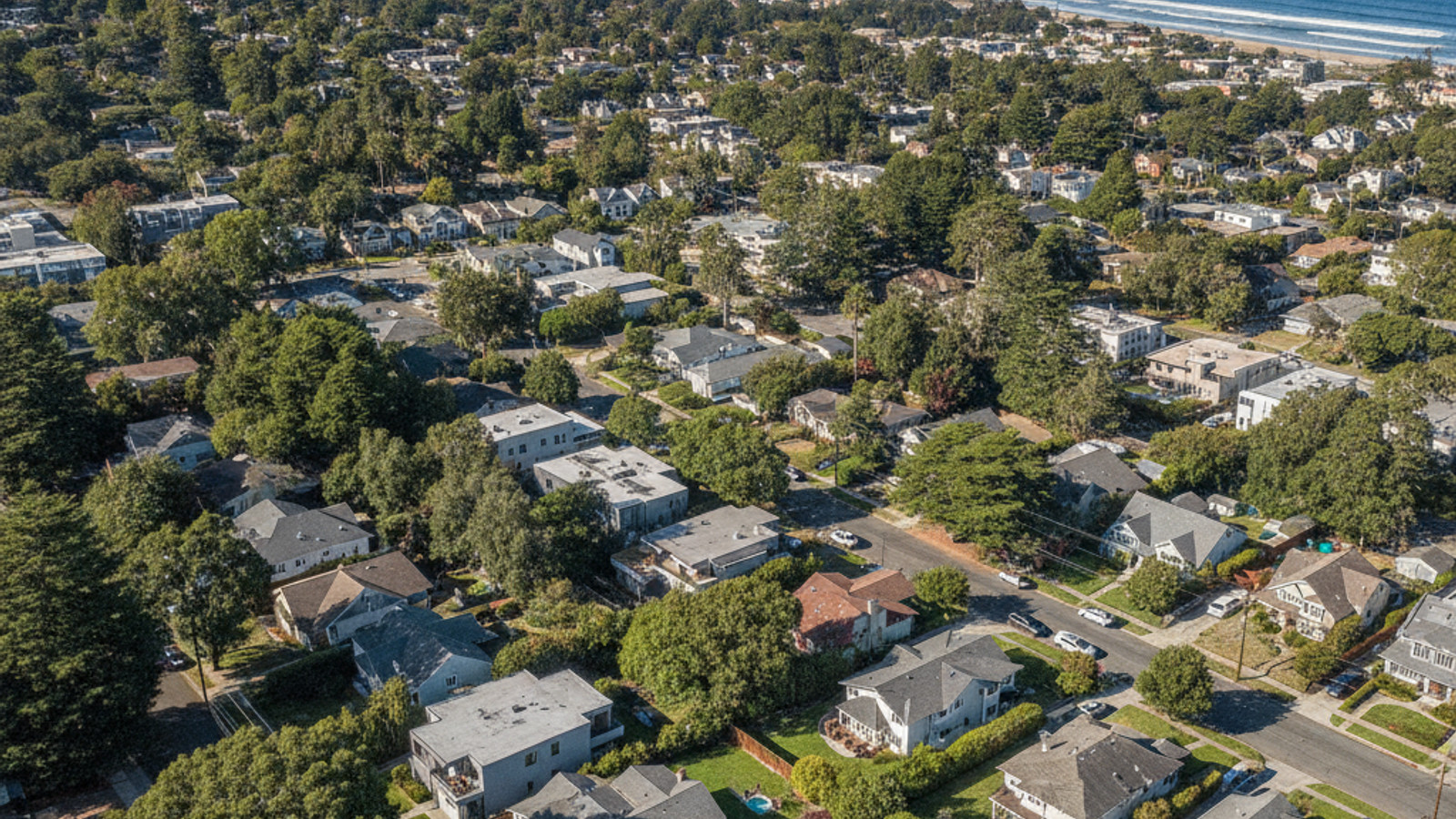
The median home price in Santa Cruz County sits between $1.2 million and $1.3 million, placing it among the more expensive housing markets in Northern California. Buyers entering the market in 2026 face competitive conditions driven by limited inventory and continuous demand from nearby tech hubs.
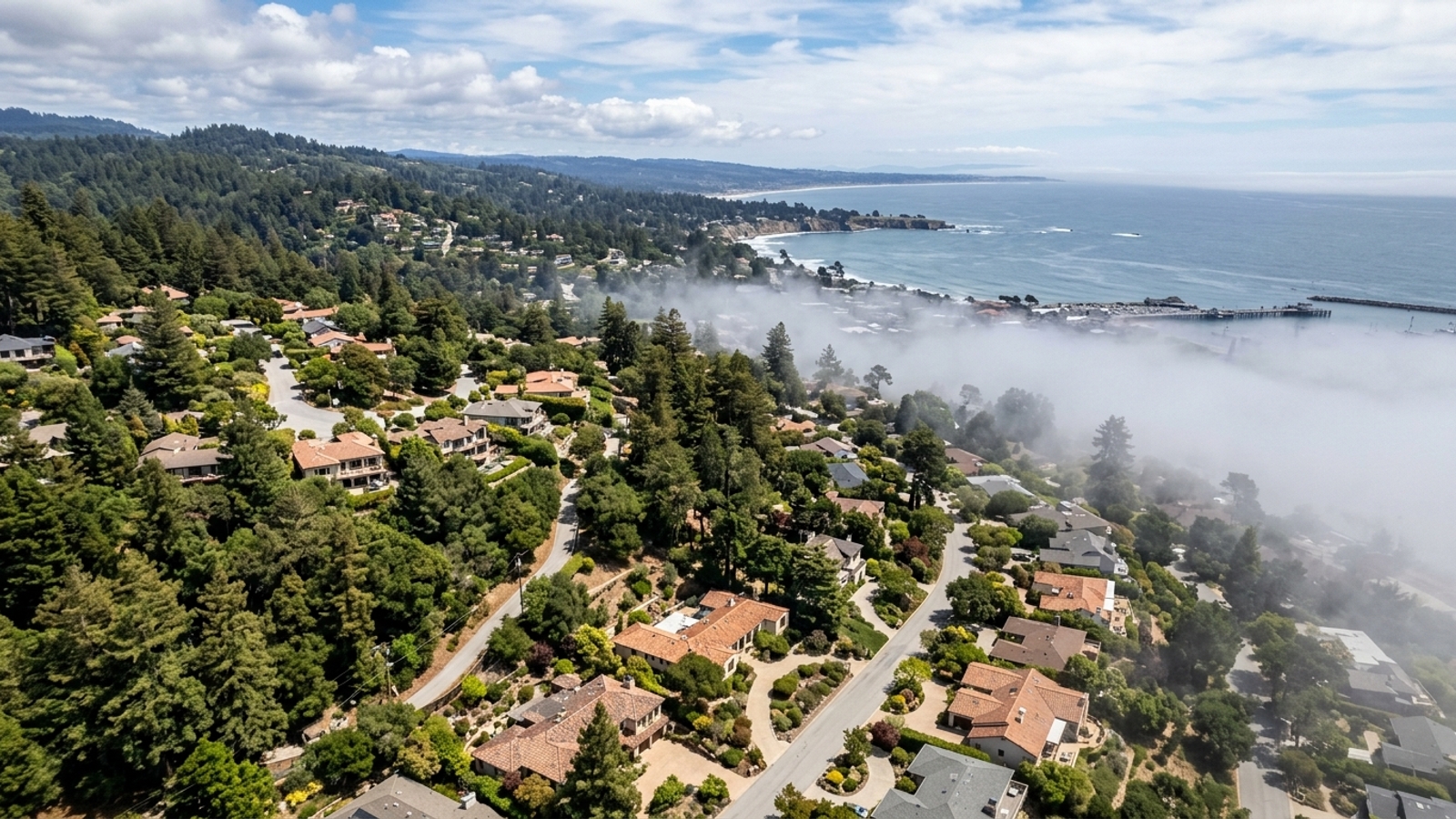
For anyone researching Moving to Santa Cruz, CA, understanding the local geography is a good starting point. The area is bordered by the Pacific Ocean on one side and the Santa Cruz Mountains on the other, which limits new construction and keeps property values high.
Housing Costs and Daily Expenses
Housing accounts for the largest portion of the budget for new residents. The overall cost of living index in the city runs about 34 percent higher than the national average.
Buyers will find median single-family home prices hovering between $1.2 million and $1.3 million. Renters looking at studios and one-bedroom apartments should expect monthly rates ranging from $2,200 to $2,700.
Utility and food costs also track higher than national baselines, though they remain comparable to the broader San Francisco Bay Area. Factoring these daily expenses into your pre-approval limits ensures you maintain comfortable financial margins after closing.
Exploring Local Neighborhoods
The city divides generally into distinct geographic pockets, each offering different property types and lot sizes. The San Lorenzo River serves as a natural boundary between several main residential zones.
Lot sizes tend to be compact within the city limits, keeping yard maintenance minimal for most property owners. Surrounding areas like Soquel, CA, Aptos, CA, and Capitola, CA offer alternative markets with slightly different housing inventories.
Westside Properties
The Westside area puts residents close to West Cliff Drive and the University of California, Santa Cruz campus. Single-family homes here often feature smaller, older footprints mixed with some newer construction.
Biking and walking paths connect many of these streets directly to the coastline. The proximity to the university means a high demand for rental housing in the immediate area.
Eastside and Seabright
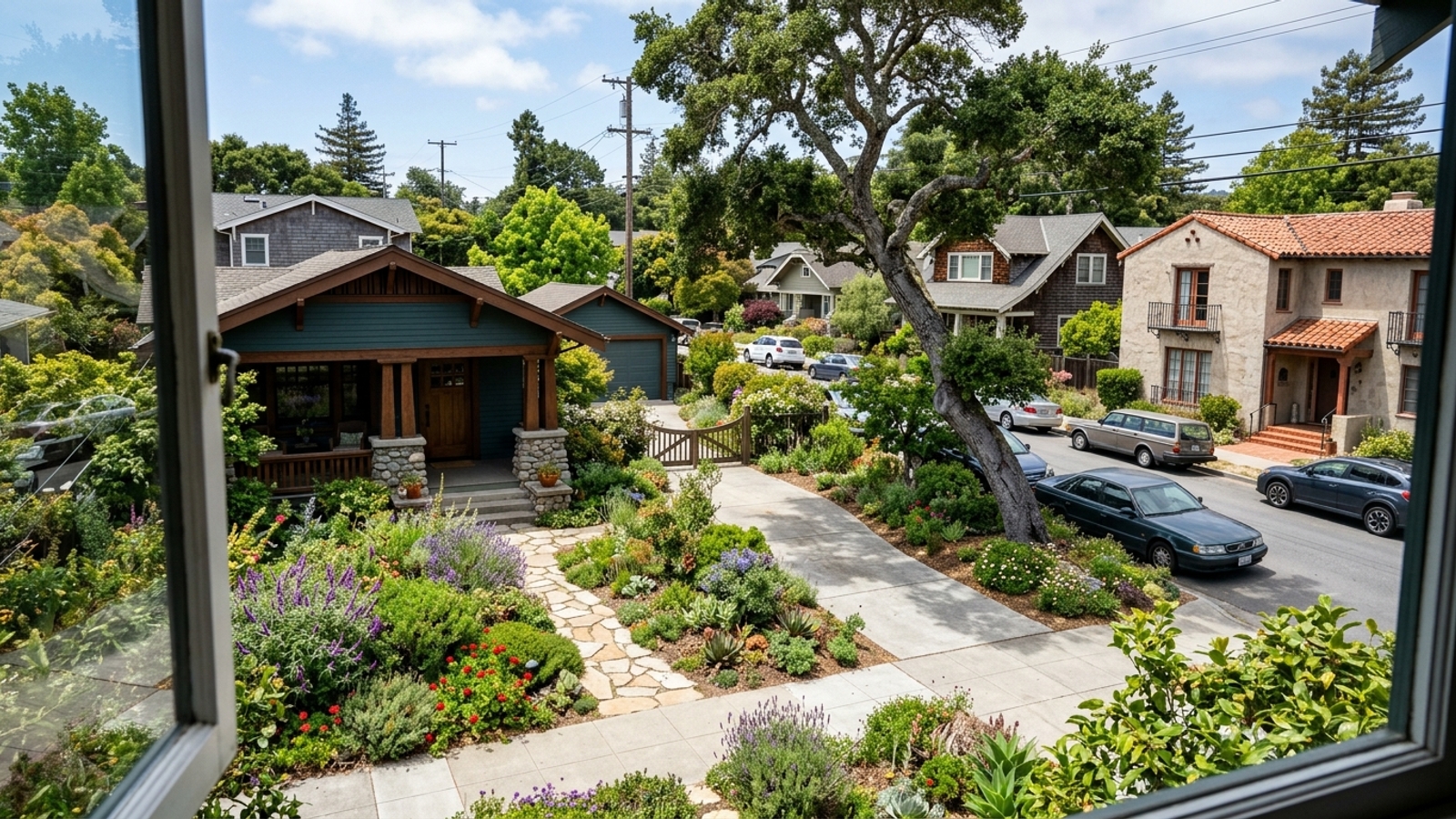
The Eastside area provides quick access to commercial corridors and local shopping centers. The dominant property types in this section include early-to-mid-century bungalows.
Seabright sits closer to the water, characterized by its walkability to local beaches and restaurants. The grid layout of the streets makes it easy to reach amenities without a car.
Commuting Over the Hill to Silicon Valley
The drive to San Jose, CA covers about 31 miles along Highway 17. This winding mountain road serves as the primary artery connecting the coast to Silicon Valley.
Travel times range from 38 to 60 minutes by car, depending on morning traffic patterns. Commuters should prepare for delays during winter storms or road maintenance projects.
Public Transportation Options
The Santa Cruz METRO Highway 17 Express bus offers a hands-free alternative for regional workers. The route takes 45 to 55 minutes to reach Diridon Station in San Jose, CA.
Local traffic along Highway 1 handles most north-south travel within the county. Public transportation within the city limits includes standard bus routes connecting major neighborhoods to the downtown transit center.
Local Schools and Higher Education
The Santa Cruz City Schools system operates under a split structure. The elementary and high school districts function separately, which affects how attendance boundaries are drawn.
High school boundaries pull students from well outside the immediate city limits. This includes pulling enrollment from surrounding mountain communities and nearby unincorporated areas.
University Influence
The University of California, Santa Cruz occupies a massive campus on the northwest edge of town. The institution drives a large portion of the local economy.
Enrollment numbers directly impact the local rental market, especially on the Westside. The university also serves as one of the largest employers in Santa Cruz County.
Parks, Trails, and Healthcare Access
Access to outdoor recreation defines much of the local lifestyle. The region features a mix of coastal beaches and dense redwood forests.
Healthcare needs are primarily served by Dominican Hospital and various regional clinics. These facilities provide emergency services and specialized care without requiring a drive into San Jose, CA.
Major Recreation Areas
Residents have immediate access to several major recreational sites. These locations provide options for surfing, hiking, and daily exercise.
- Wilder Ranch State Park: This property covers 7,000 acres and includes 30 miles of hiking and biking trails.
- Santa Cruz Beach Boardwalk: The historic amusement park anchors the main public beach area.
- Henry Cowell Redwoods: Located just inland, this park offers shaded walking paths through old-growth forests.
Surfing at local breaks remains a daily routine for many residents. The proximity of the redwood forests to the ocean allows for varied outdoor activities within a small radius.
Frequently Asked Questions
How much do you need to make to live in Santa Cruz?
With the local cost of living index running 34 percent above the national average, households typically need a gross income well into the six figures to qualify for a mortgage here. Buyers should plan for a housing market where median home prices exceed $1.2 million.
How long is the commute from Santa Cruz to San Jose?
Morning traffic dictates your timeline on Highway 17. Leaving before 6:30 AM usually keeps the drive closer to 40 minutes, while peak hours push the trip toward an hour.
What school districts serve Santa Cruz?
The Santa Cruz City Schools system handles most public education, but it operates as two distinct districts. Property location determines whether a home falls into the elementary district, while the high school district encompasses a much larger geographic footprint.

Leave a Reply