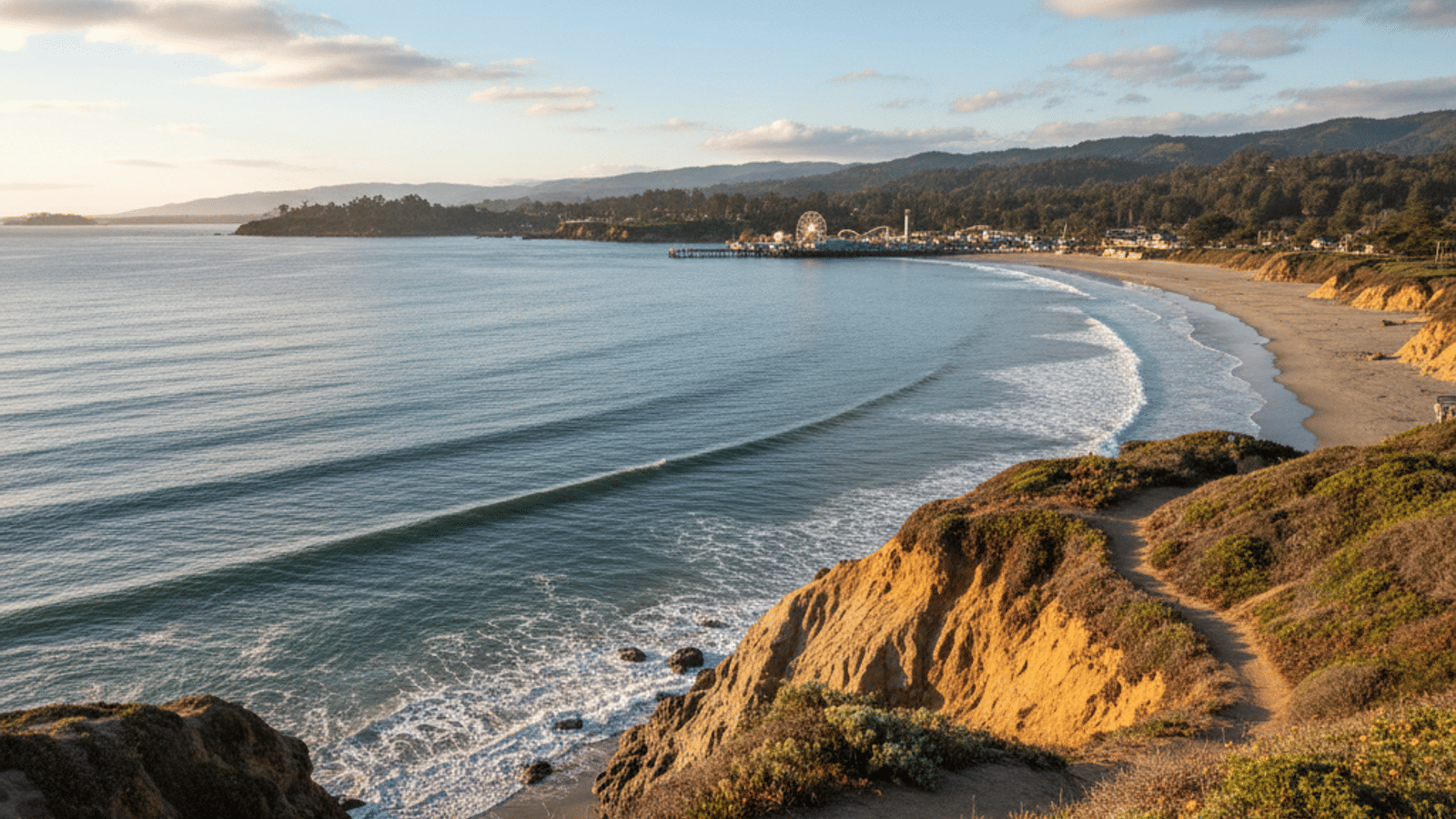
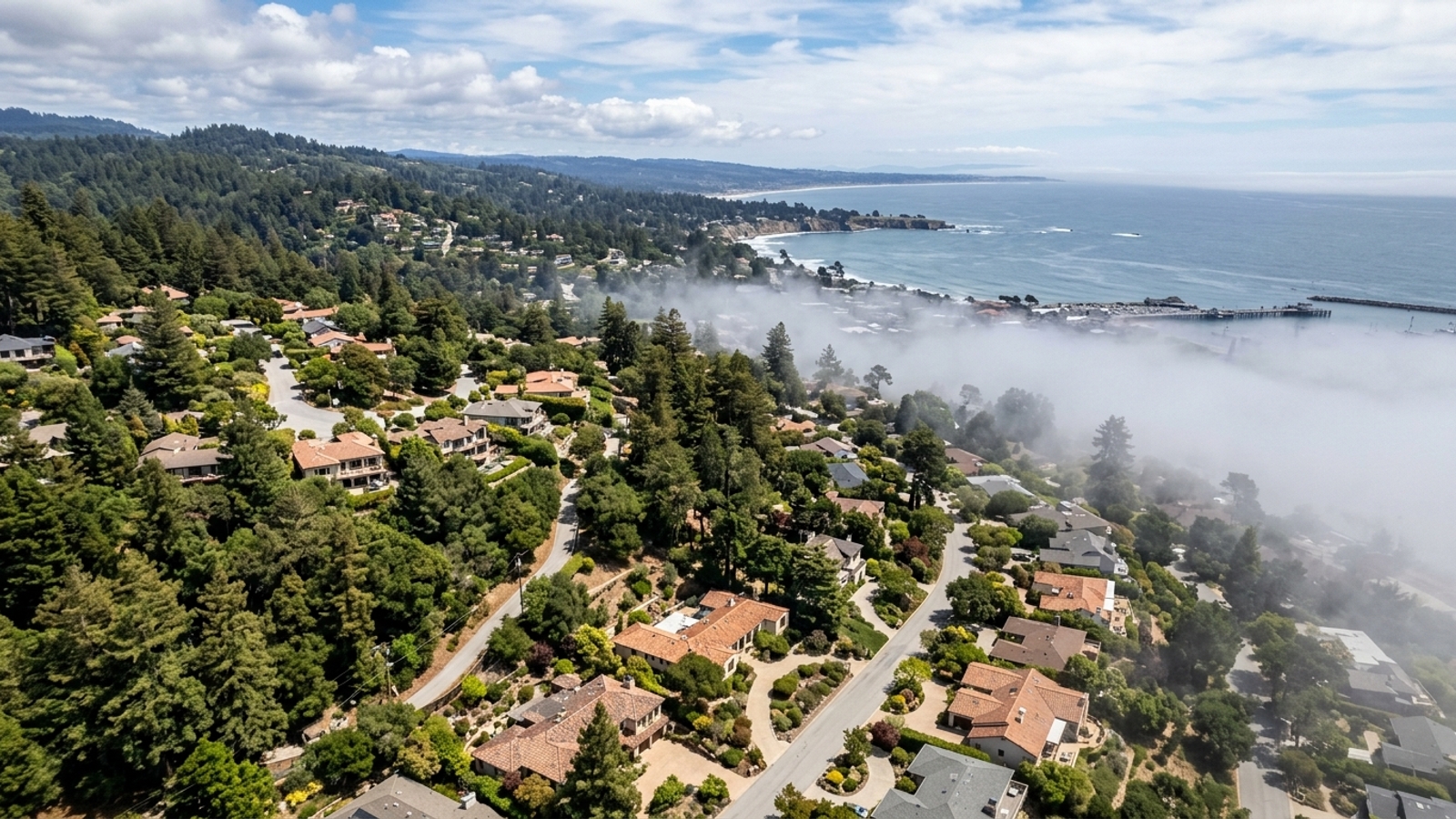
Retiring here offers a mix that’s hard to find anywhere else in California. You get the classic beach town vibe on one side and the majestic silence of the redwoods on the other. It’s a unique setting for your next chapter, whether you are an active adult looking to hike Henry Cowell every weekend or someone who needs a little more support in a care setting.
While the scenery is world-class, it is important to go in with your eyes open regarding the costs. Santa Cruz is not a budget destination, but for many, the quality of life justifies the price tag. From luxury mobile home parks on the cliffs to rental-based retirement communities tucked into the trees, the options here are diverse. Let’s break down what you can expect when looking for senior housing in this beautiful part of the Central Coast.
Top 55+ and Active Adult Communities in Santa Cruz
When people ask me about 55+ communities in Santa Cruz, they are often picturing massive, resort-style campuses like you might see in Florida or Arizona. The reality here is a bit different. Most of our “active adult” inventory comes in the form of manufactured home communities rather than sprawling master-planned subdivisions.
De Anza Santa Cruz is usually the first name that comes up, and for good reason. It is an oceanfront mobile home community offering a clubhouse, pool, and direct beach access. Living here feels like being on permanent vacation, but you have to watch out for the space rent. While the homes themselves might seem reasonably priced compared to a standard single-family house, the monthly lease for the land can range from $2,500 to over $6,500 depending on your view.
If you are looking for something quieter but still near the coast, places like Clearview Court offer another mobile home option. However, if owning the land is a priority for you, you might want to look a bit south.
Watsonville is home to Bay Village and Pajaro Village, which are popular 55+ alternatives. The big difference here is that you typically own the lot, so you avoid those high space rents. You can often find homes in the $500,000 to $700,000 range with significantly lower HOA fees. It’s a different vibe—more agricultural and inland—but your dollar goes a lot further.
Independent and Assisted Living Options
If you are looking to move away from home maintenance entirely, the rental retirement communities here are excellent. Unlike cities like Los Gatos or Carmel, which often have high buy-in costs, Santa Cruz mostly relies on a monthly rental model.
Dominican Oaks is a standout choice if you love nature. It’s nestled in a wooded setting right next to Dominican Hospital. Residents here get meals, housekeeping, and transportation included. It feels a bit like living in a lodge, yet you are minutes from top-tier healthcare. Pricing here usually runs between $4,900 and $6,300 per month depending on the unit and level of service.
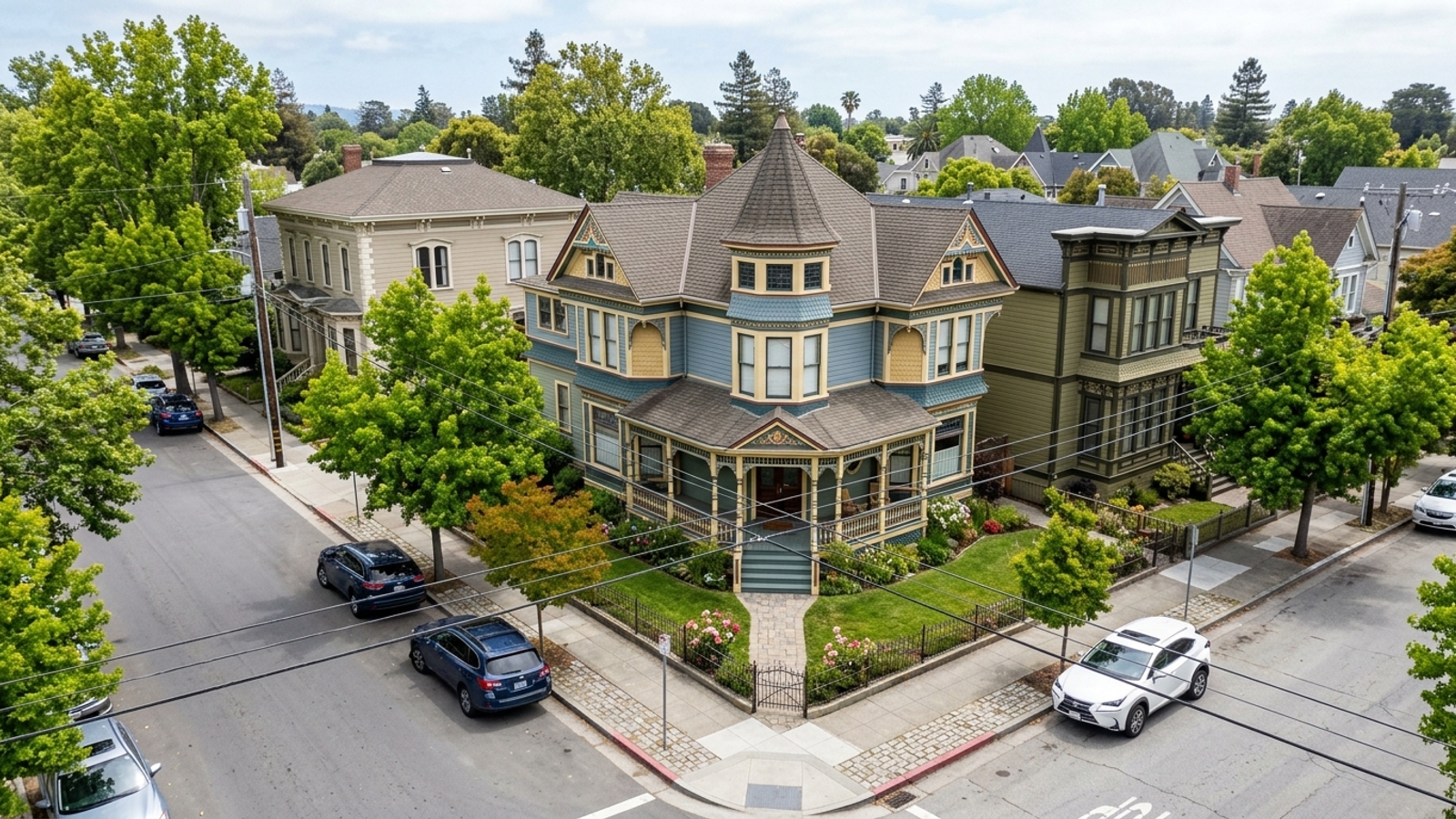
For those who prefer city energy, Sunshine Villa is a fantastic option. Located in a historic Victorian building near downtown and the beach, it offers high walkability and plenty of charm. If you are budget-conscious, La Posada is a rental community that offers independent living with a very strong, cohesive community feel at a generally more accessible price point.
Here is a quick look at the average monthly costs you might see around the county:
- Independent Living: Approximately $5,800 per month.
- Assisted Living: Ranges from roughly $5,300 to $6,800 per month.
Cost of Retiring in Santa Cruz County
Let’s be real about the numbers—Santa Cruz is expensive. Whether you are buying a home or renting in a community, housing will be your biggest line item. The median home price often sits well above $1 million, and even rentals are priced at a premium due to high demand.
If you choose a community like Dominican Oaks, your monthly service fees cover a lot: utilities, food, maintenance, and planned activities. It simplifies your budget, but the sticker price is high. On the flip side, if you opt for a mobile home, you must factor in the “space rent.” I have seen buyers excited about a lower purchase price on a manufactured home, only to realize the monthly land lease costs as much as a mortgage.
Beyond housing, the general cost of living in Santa Cruz is higher than the national average. You will likely pay more for gas, groceries, and dining out. However, many locals feel the trade-off is worth it for the ability to walk to the ocean or enjoy year-round gardening.
Lifestyle, Healthcare, and Amenities
Life here isn’t just about where you sleep; it’s about what you do when you wake up. The lifestyle is incredibly active. You have West Cliff Drive for flat, scenic ocean walks, and plenty of trails for all ability levels. Golfers often head to Pasatiempo, a world-renowned course, or the more casual local municipal courses.
Healthcare access is a major plus. Dominican Hospital (Dignity Health) and the Sutter Maternity & Surgery Center act as the primary hubs. For highly specialized care, you are also just a short drive from major medical centers in San Jose.
Culturally, you are never bored. You can take the grandkids to the Boardwalk, enjoy the local art scene downtown, or get involved with the various senior centers that offer classes and social events. Transportation is decent for a semi-rural area, with paratransit options available, though neighborhoods like Seabright or Downtown offer the best walkability if you want to drive less.
Pros and Cons of Retiring in Santa Cruz
Every place has its trade-offs, and it helps to weigh them before you pack the moving truck.
The Pros:
- Climate: The mild Mediterranean weather is easy on the joints and allows for year-round outdoor activity.
- Nature: You are surrounded by the Monterey Bay Marine Sanctuary and ancient redwood forests.
- Location: You are close to family in Silicon Valley without being right in the chaotic traffic of the Bay Area.
The Cons:
- Cost: It is one of the most expensive places to live in the country.
- Traffic: Summer tourist traffic on Highway 1 and Highway 17 can be a headache.
- Inventory: There is a limited supply of senior-specific housing, so waiting lists are common.
Comparing Nearby Retirement Destinations
If you aren’t 100% sold on Santa Cruz proper, a few neighboring towns might fit the bill.
Capitola is just next door and offers a charming, village-like atmosphere. It is incredibly walkable and desirable, but that convenience comes with even higher real estate costs in some pockets.
Scotts Valley sits a few miles inland. It is generally warmer and has a “mountain” feel with slightly newer housing stock. It is also a faster commute if you still have doctors or appointments in San Jose.
Watsonville is the value play. As mentioned earlier, it is significantly more affordable and has a warmer, agricultural setting. It’s perfect if you want to stretch your retirement savings while staying in the county.
Monterey and Pacific Grove are further south and offer a more historic, traditional feel. You will find more traditional Continuing Care Retirement Communities (CCRCs) there, which might appeal to those looking for a guaranteed continuum of care.
California Senior Tax Benefits and Resources
Financially, there are some bright spots to retiring in California that can help offset the high costs.
Proposition 19 is a game-changer for many retirees. It allows homeowners aged 55+ to transfer their property tax base to a new home anywhere in California. This is huge if you are downsizing from a family home you have owned for decades; you don’t have to reset your property taxes to current market rates.
There is also the Property Tax Postponement Program (PTP) for eligible seniors who need relief. Locally, organizations like Senior Network Services of Santa Cruz County are fantastic resources for navigating these programs and finding support. Prop 19 helps seniors avoid a massive property tax hike when moving to Santa Cruz.
Frequently Asked Questions
What is the average cost of assisted living in Santa Cruz?
As of early 2026, you can expect to pay between $5,300 and $6,800 per month on average. This price varies heavily based on the level of care required and the specific amenities of the community.
Are there buy-in CCRC communities in Santa Cruz?
Santa Cruz proper does not typically offer traditional buy-in CCRC models where you pay a large entrance fee for lifetime care. Most communities operate on a monthly rental basis. If you want a buy-in model, you may need to look toward Carmel Valley or Los Gatos.
Does Santa Cruz have 55+ mobile home parks?
Yes, there are several, with De Anza Santa Cruz being the most famous due to its oceanfront location. Just be aware that “space rent” in these parks can be quite high, sometimes exceeding the cost of a mortgage in other parts of the country.
Is Santa Cruz tax-friendly for retirees?
California generally has high taxes, but Prop 19 helps seniors avoid a massive property tax hike when moving. Santa Cruz County itself does not have specific local tax breaks for seniors beyond state-level programs, but the property tax transfer can save you thousands annually if you are relocating.

Leave a Reply