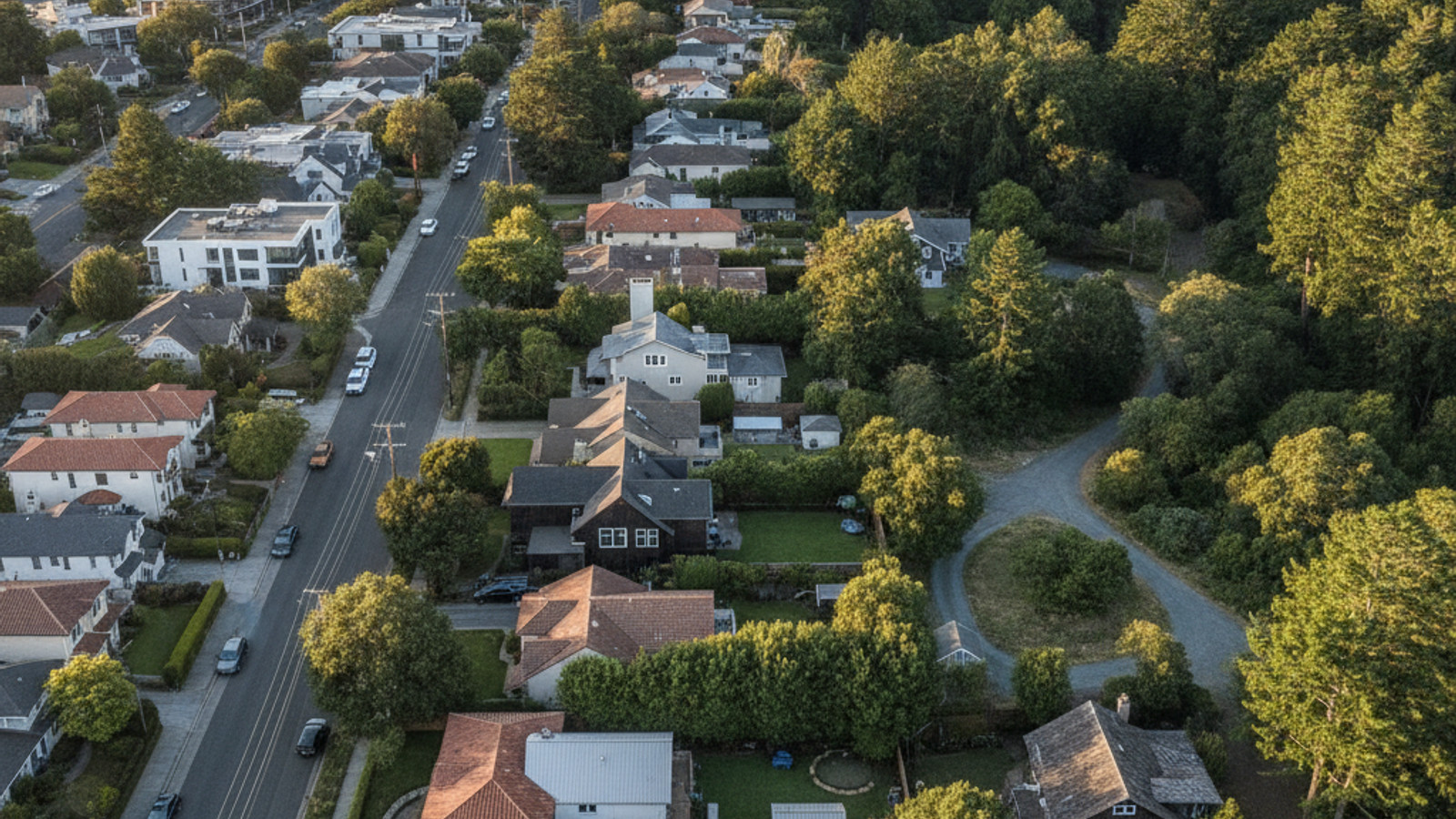
The median sale price for a single-family home in Santa Cruz County, California sits between $1,310,000 and $1,450,000 in the spring of 2026. Buyers looking at the coastal market face a landscape defined by limited inventory and continuous demand from both local workers and Silicon Valley commuters. Buying a Home in Santa Cruz, CA requires a clear understanding of micro-neighborhoods, overlapping tax districts, and daily commute realities.
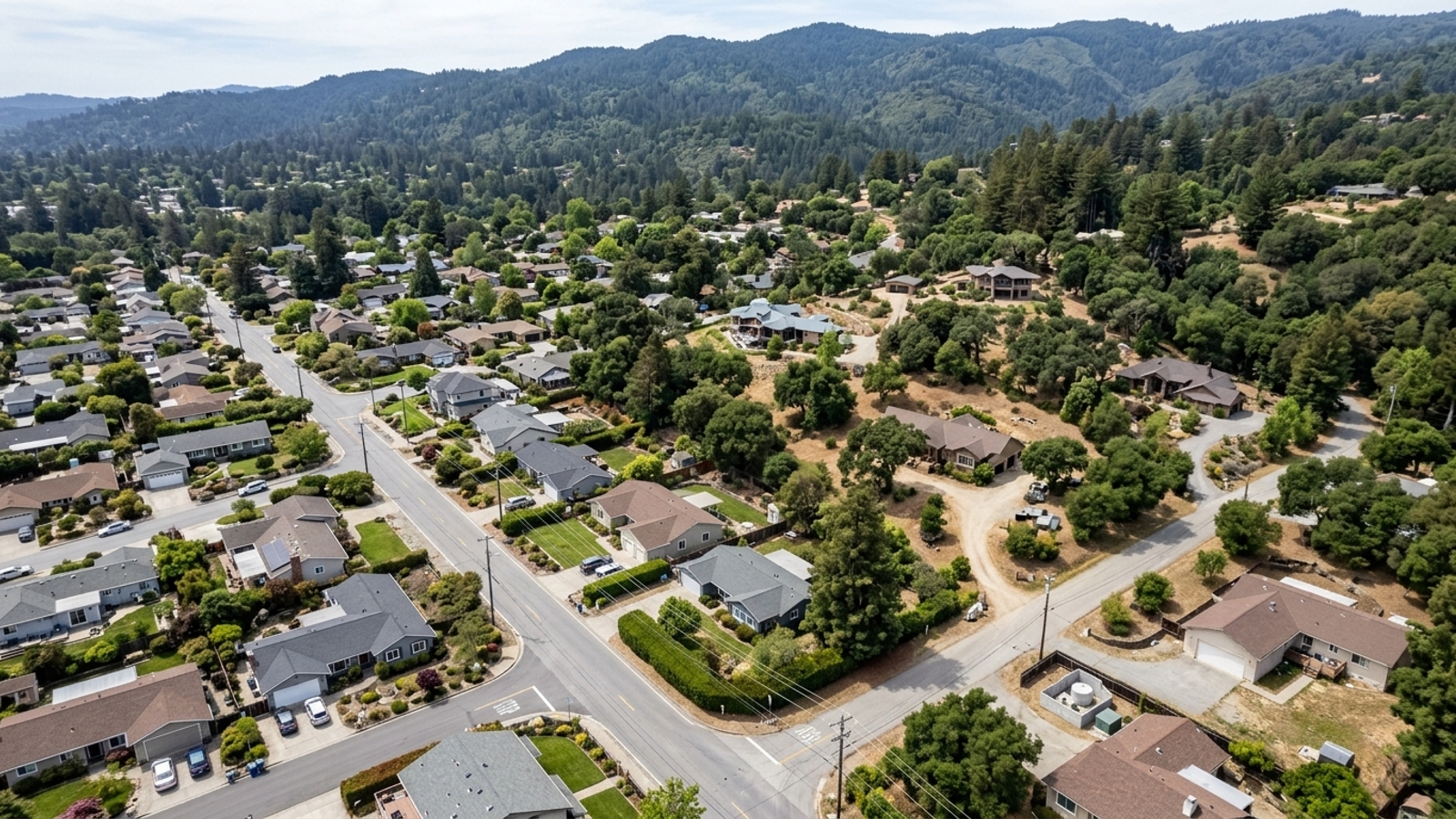
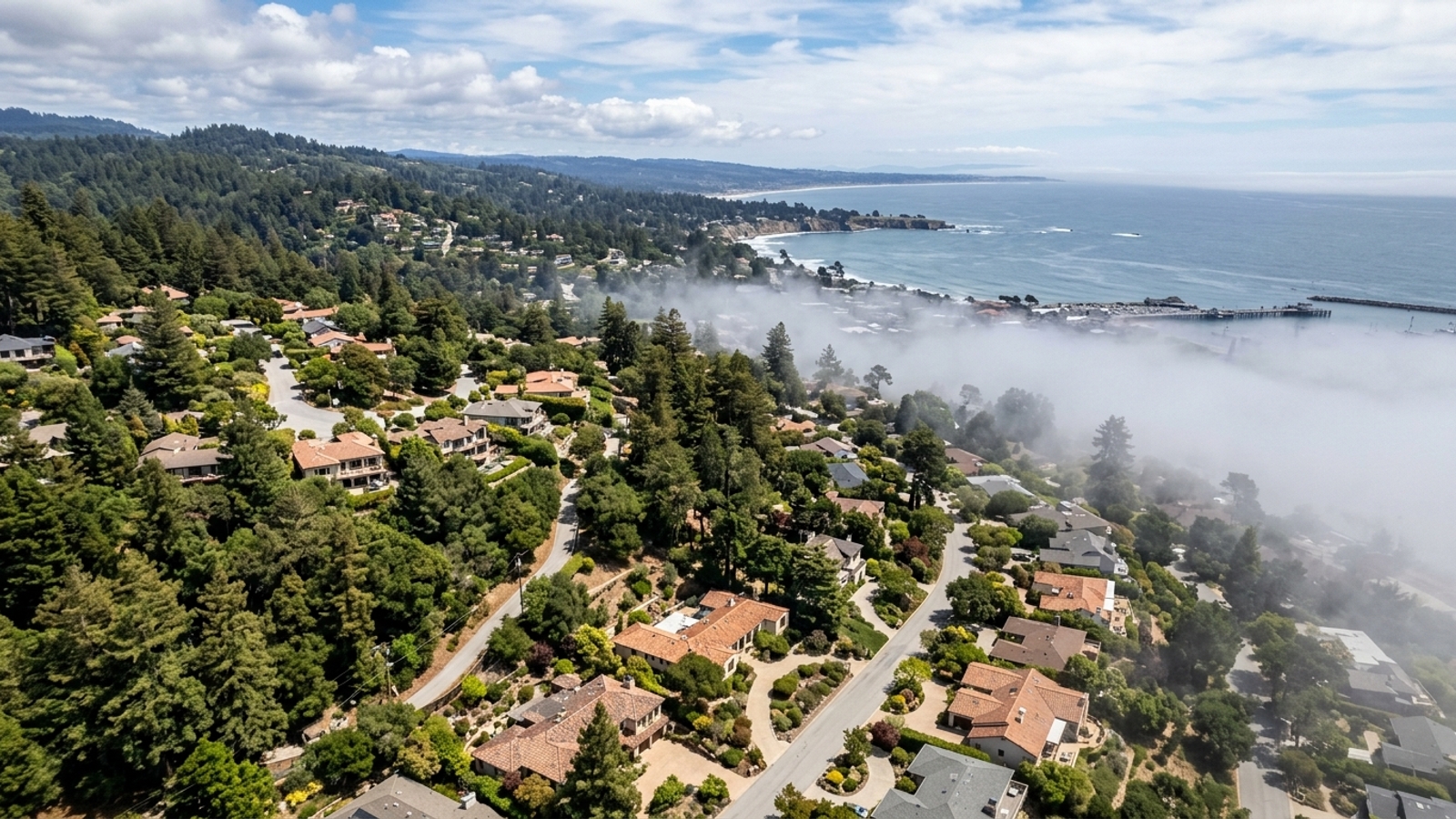
The local topography directly shapes where and how homes are built across the region. Properties range from dense coastal condominiums near the water to larger lots built into the redwood foothills. Buyers should review current real estate listings early in the process to understand the distinct property types available across the city.
The pace of the local market varies by price point and property condition. Turnkey homes near major employment centers or the beach sell rapidly, while properties requiring extensive renovations stay on the market longer. Understanding these dynamics helps buyers structure competitive offers when they find the right property.
The Santa Cruz Housing Market in 2026
Single-family homes make up the bulk of Santa Cruz real estate, but attached housing offers an alternative entry point. Condominiums and townhouses frequently appear on the multiple listing service with lower list prices than detached homes. These attached properties often sit closer to major transit corridors, shopping centers, or the coastline.
Average home values have stabilized after past fluctuations, but buyers rarely find deep discounts in the current environment. The pace of sales depends largely on the property type and its exact location. Homes priced near the county median tend to receive multiple offers within the first few weeks on the market.
Buyers should monitor days on market to gauge seller flexibility before writing an offer. A property sitting for more than thirty days might indicate room for price negotiation. Fresh listings, however, usually sell at or slightly above the asking price.
Securing a mortgage in 2026 requires preparation well before touring properties. Local sellers expect pre-approval letters submitted alongside any formal offer. Buyers utilizing jumbo loans will face different down payment and reserve requirements than those using conventional financing.
Property Taxes and Local Costs
The base property tax rate in California is 1% of the assessed value. Buyers in Santa Cruz, CA generally see a median effective tax rate of approximately 1.19%. This higher effective rate stems from local voter-approved bonds and special assessments tied to specific neighborhoods or school districts.
Condominium buyers should factor homeowner association fees into their monthly carrying costs. These HOA dues cover exterior maintenance and shared amenities, but they also affect a buyer’s debt-to-income ratio during mortgage underwriting. Lenders must include these monthly fees when calculating the maximum allowable loan amount.
Buyers should also ask their real estate agent about county transfer taxes applied at closing. These closing costs are typically split between the buyer and seller, though the exact division is written into the purchase contract. The standard practice can vary depending on whether it is a buyer’s or seller’s market.
New homeowners often receive a supplemental tax bill during their first year of ownership. This bill covers the difference between the previous owner’s assessed value and the new purchase price. Planning for this one-time expense prevents budget surprises shortly after closing.
Commuting to Silicon Valley and Transit Routes
Highway 17 serves as the primary artery connecting Santa Cruz to major Silicon Valley employers. A standard drive to San Jose takes between 40 and 65 minutes during typical morning hours. This mountain pass features sharp curves and elevation changes that directly impact daily travel speeds.
Weather events and peak congestion easily push that drive time past the 90-minute mark. Rain or minor accidents on the pass cause immediate delays because alternate routes over the mountains are limited. Buyers planning to commute daily should test the drive during both morning and evening rush hours.
Public transit offers an alternative to driving personal vehicles over the hill. The Highway 17 Express bus provides regular service between downtown Santa Cruz and the San Jose Diridon Station. Many commuters use this service to access Caltrain connections into the wider San Francisco Bay Area.
For travel along the coast, Highway 1 connects residents to neighboring towns like Capitola and Watsonville. Local traffic on this route experiences heavy congestion during afternoon hours, particularly southbound toward Aptos. Bypassing the highway using surface streets like Soquel Drive often takes just as long during peak times.
Understanding Local School District Boundaries
Santa Cruz City Schools operates with two distinct geographical footprints. The elementary district covers K-8 students within the immediate city limits. The high school district pulls students from a much larger area, including several surrounding unincorporated communities.
A home located just outside the city boundaries might still fall within the high school district while being zoned for a different elementary school. Buyers should enter any potential property address into the official district locator tool to verify school assignments. Assuming a home belongs to a specific school based on its zip code often leads to enrollment errors.
Parents sometimes pursue inter-district transfers if they prefer a school outside their assigned boundary. The district reviews these requests annually based on available space at the requested campus. Approval is never guaranteed, so buyers should base their home purchase on the default assigned school.
The presence of the University of California, Santa Cruz also shapes the local educational landscape. The university employs a large portion of the local workforce and drives demand for rental housing near the main campus.
Neighborhood Profiles: Westside, Eastside, and Seabright
The city divides into distinct geographical zones, each with different zoning rules and housing types. The San Lorenzo River acts as a natural dividing line between the eastern and western halves of the city. Development patterns vary widely based on when each section was originally subdivided and built.
Lot sizes, architectural styles, and proximity to commercial centers change dramatically from one block to the next. Buyers should tour multiple areas to understand how these physical differences impact daily living. The three most frequently searched areas offer distinct property features.
The Westside
The Westside features a mix of mid-century single-family homes and newer infill developments. Properties closer to the coastline often sit on smaller lots, while homes further inland provide more yard space.
This area sits adjacent to the University of California, Santa Cruz campus. The housing mix includes a high concentration of rental properties alongside owner-occupied homes.
The Eastside
The Eastside offers a dense grid of residential streets mixed with light commercial zoning. Housing types range from early 20th-century bungalows to modern multi-unit buildings.
Lots in this area frequently feature accessory dwelling units or small guest houses. Buyers looking for properties with potential rental income often focus their searches here.
Seabright
Seabright sits directly between the San Lorenzo River and the Santa Cruz Yacht Harbor. The housing stock consists of older beach cottages, modern rebuilds, and a handful of condominium complexes.
Homes in this neighborhood command a premium due to their proximity to the sand. Street parking is tightly regulated, and many properties rely on small driveways or single-car garages.
Local Parks and Recreation Access
Santa Cruz County, California holds thousands of acres of protected open space and public parks. Residents have direct access to both coastal trails and dense redwood forests within a short drive from the city center.
Access points vary depending on which side of town a buyer chooses. The primary outdoor recreation areas include:
- Henry Cowell Redwoods State Park: Located in nearby Felton, this park sits about 15 minutes north of downtown and features old-growth redwood groves.
- Wilder Ranch State Park: Situated just north of the city limits, this area provides miles of coastal bluff trails and historic farm buildings.
- West Cliff Drive: This paved pedestrian and bicycle path runs along the ocean from the municipal wharf to Natural Bridges State Beach.
Frequently Asked Questions
Are home prices dropping in Santa Cruz in 2026?
Median sale prices remain steady between $1,310,000 and $1,450,000 as of mid-2026. While extreme bidding wars have cooled, low inventory keeps baseline values high. Buyers rarely see broad price drops, though individual homes sitting on the market for weeks may see price reductions.
How long is the commute from Santa Cruz to Silicon Valley?
A standard morning drive to San Jose on Highway 17 takes 40 to 65 minutes. Rain, accidents, or heavy volume can quickly extend that trip past 90 minutes. Commuters should check traffic conditions before leaving or consider the Highway 17 Express bus.
How do school district boundaries work in Santa Cruz?
The city uses two overlapping boundary maps for public education. The elementary district handles K-8 students within city limits, while the high school district includes surrounding unincorporated areas. Buyers should verify exact addresses through the county locator tool rather than relying on neighborhood names.

Leave a Reply