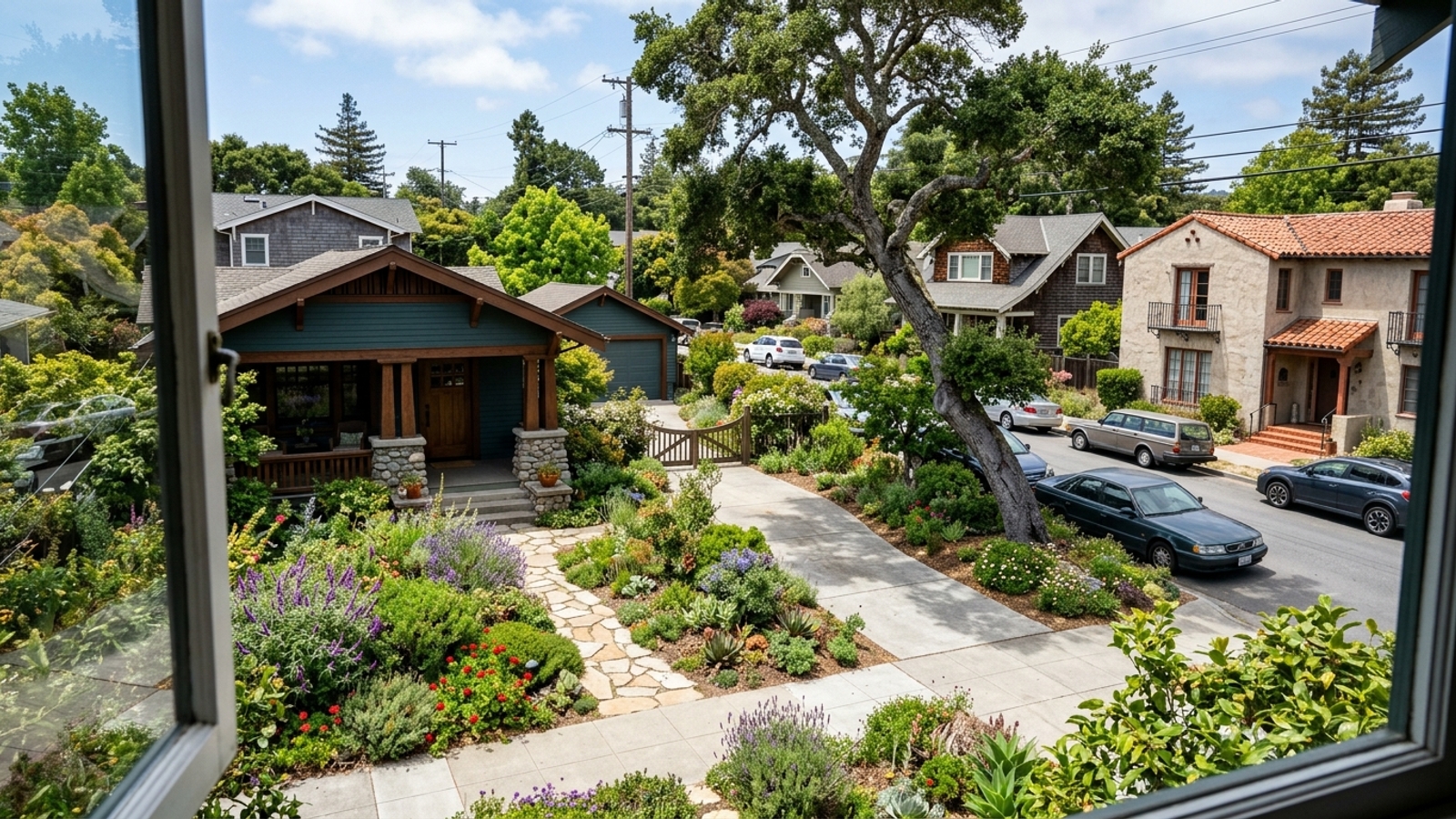
Santa Cruz sits about 75 miles south of San Francisco on the northern edge of Monterey Bay. For buyers tired of dense urban living, it’s a logical place to look – more space, a different pace, and a coastal setting that San Francisco can’t quite replicate. Those considering living in Santa Cruz will find a distinct lifestyle shift.
That said, a move between these two cities is not a simple trade. Housing styles shift, commute logistics change entirely, and the full cost picture takes some unpacking. Here’s what the 2026 data actually tells you.
Cost of Living and Property Taxes
Living in San Francisco costs roughly 17.5% more than living in Santa Cruz, CA. That gap runs through everything – daily groceries, services, and most visibly, housing.
Buyers moving south generally find their purchasing power stretches further. That’s real, and it matters. But don’t mistake Santa Cruz for a bargain market – it’s a premium coastal market, full stop.
Housing Costs and Home Prices
As of mid-2026, the median sale price in Santa Cruz is approximately $1,462,500, up 4.5% year-over-year, with homes spending a median of just 15 days on market before going under contract.
San Francisco County median prices hover around $1.8 million, following double-digit year-over-year increases. The gap is meaningful, but Santa Cruz isn’t slow or sleepy – about 37.5% of homes there sell above asking price.
Everyday Expenses and Local Taxes
California’s Proposition 13 sets a base property tax rate of 1% statewide, but local levies change what you actually pay. In Santa Cruz, the median effective property tax rate lands at about 1.19%, just below the state median of 1.21%.
It moves around depending on your ZIP code and subdivision. Homes in the 95060 area tend to see rates around 1.16%. Parts of 95062, or any parcel with Mello-Roos assessments, can push that effective rate to 1.26% or even 1.35%. Worth knowing before you fall in love with a specific address.
Real Estate and Housing Styles
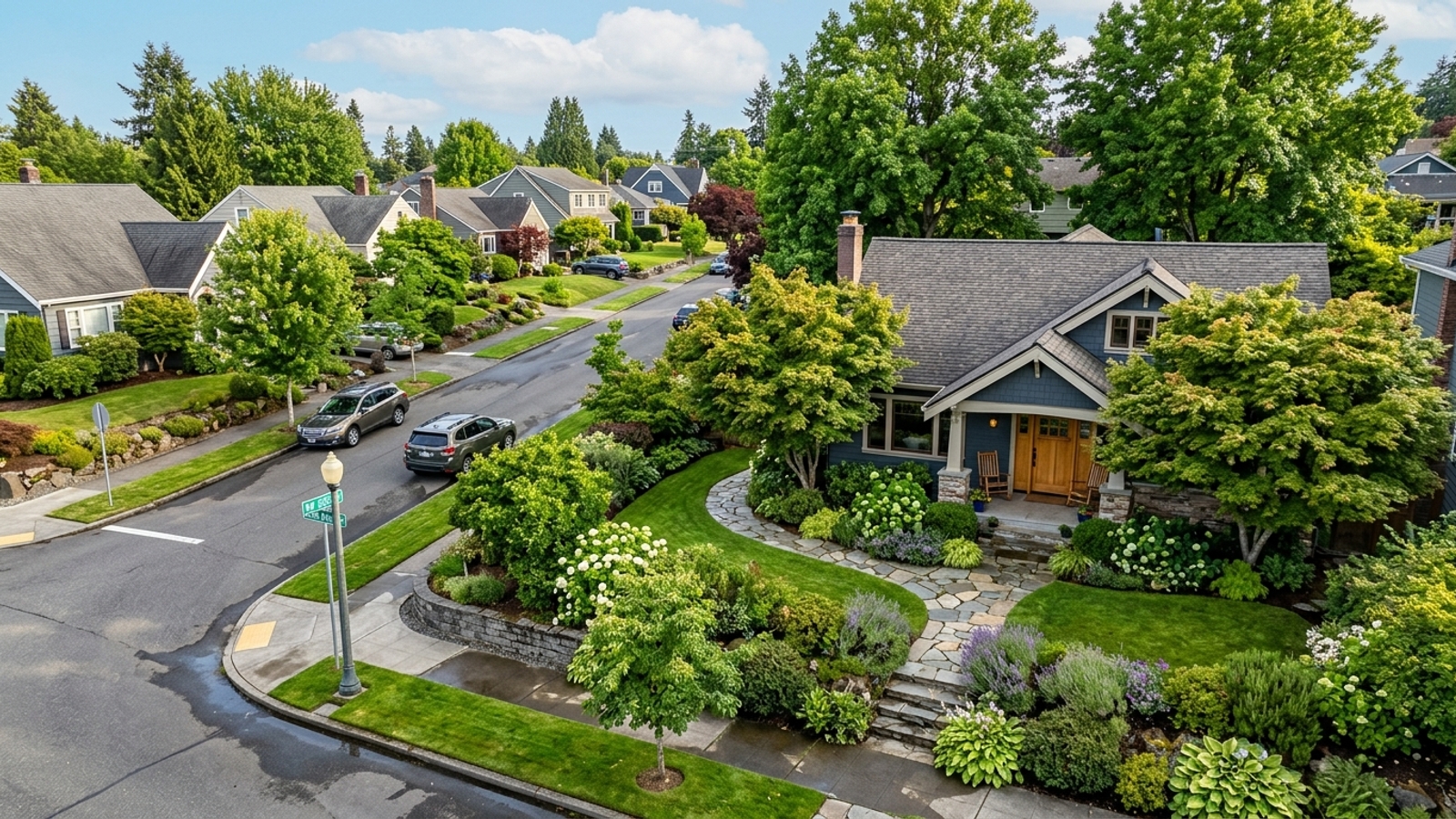
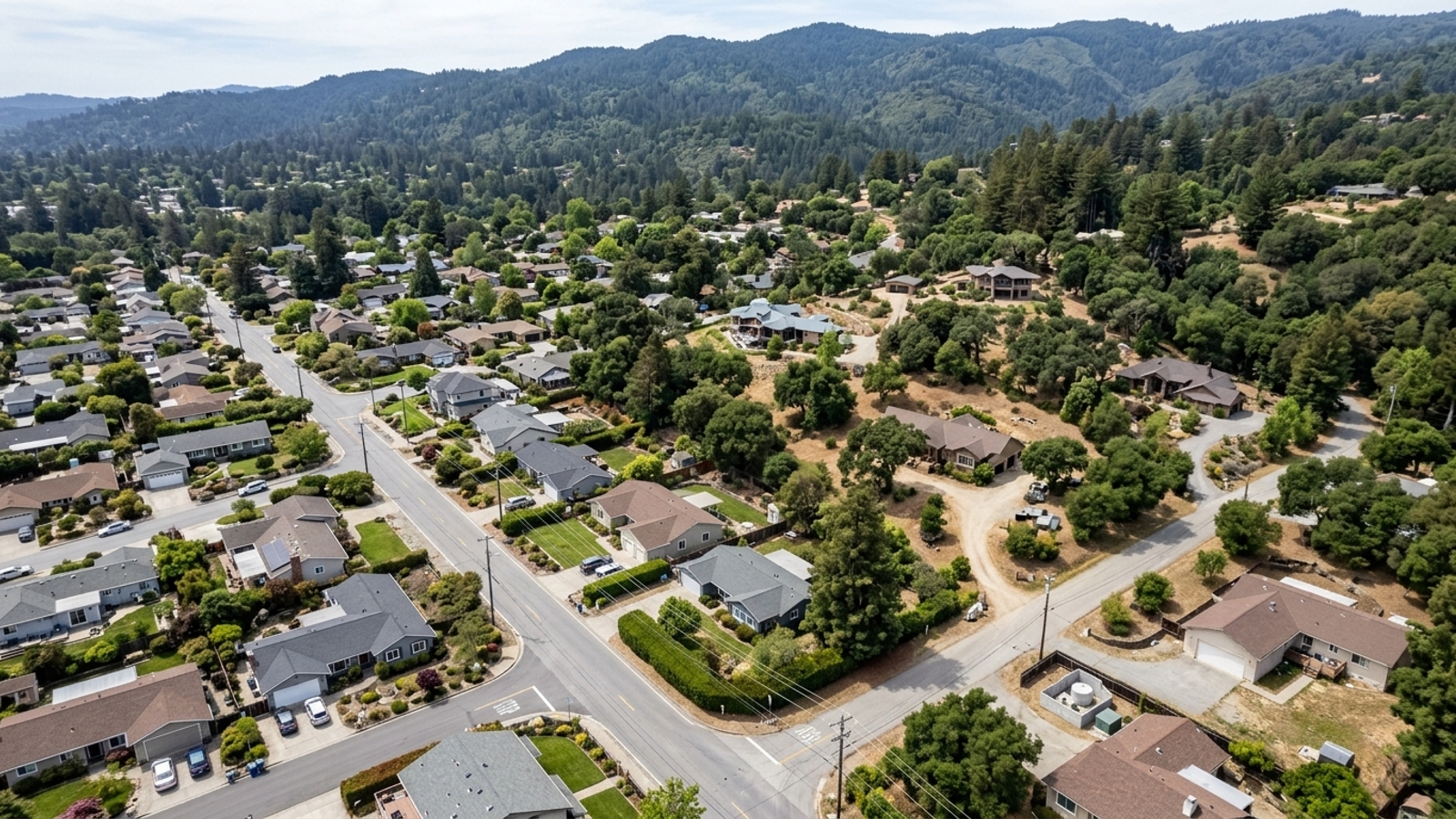
These two markets don’t just differ in price – they look completely different. San Francisco is vertical, dense, built right to the lot lines. Santa Cruz runs horizontal: detached single-family homes, private yards, actual driveways.
If you’re trading a San Francisco condominium for a Santa Cruz house, expect a genuine shift in architectural era and property layout, not just a change of scenery.
Common Architectural Styles in Santa Cruz
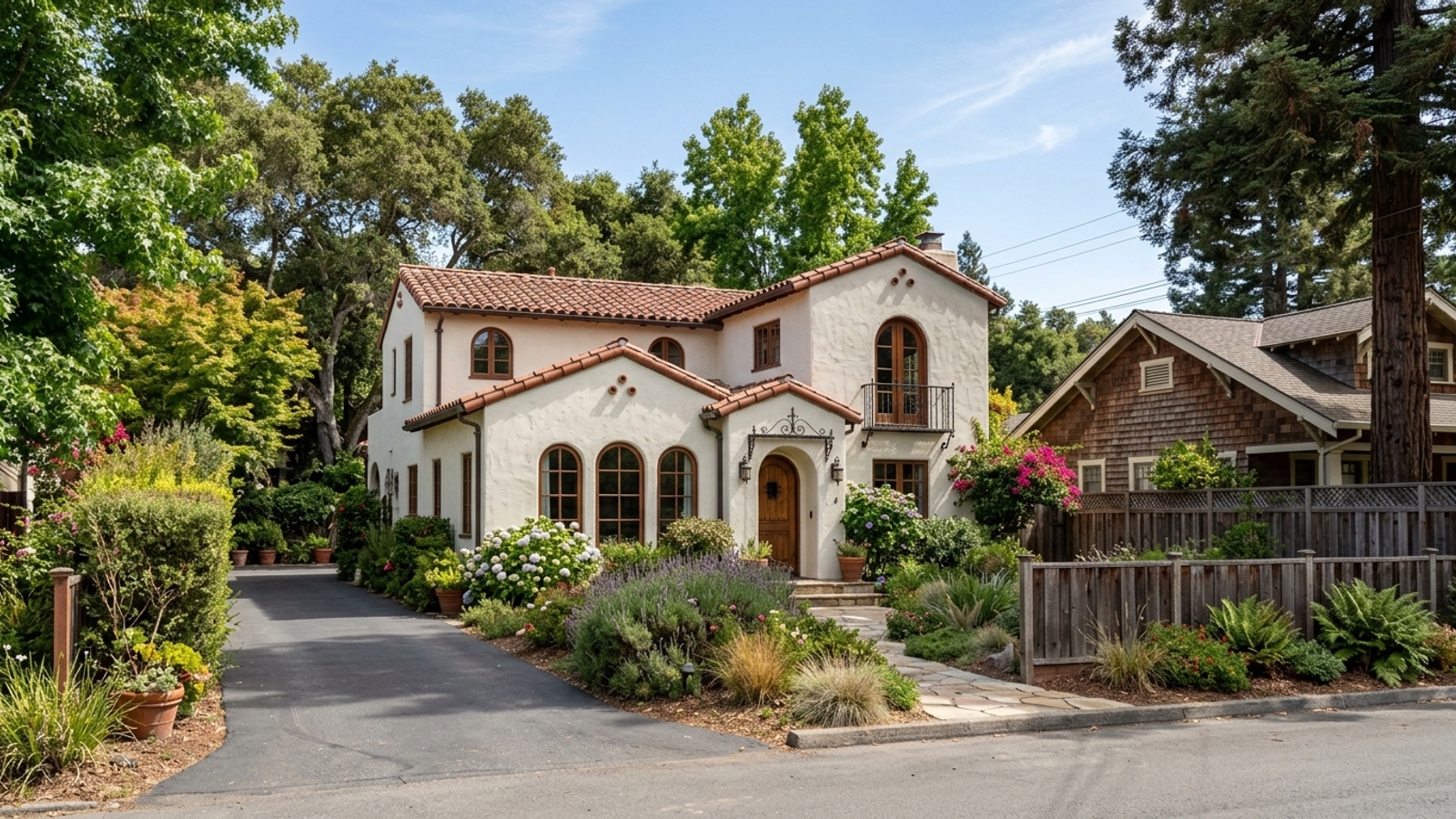
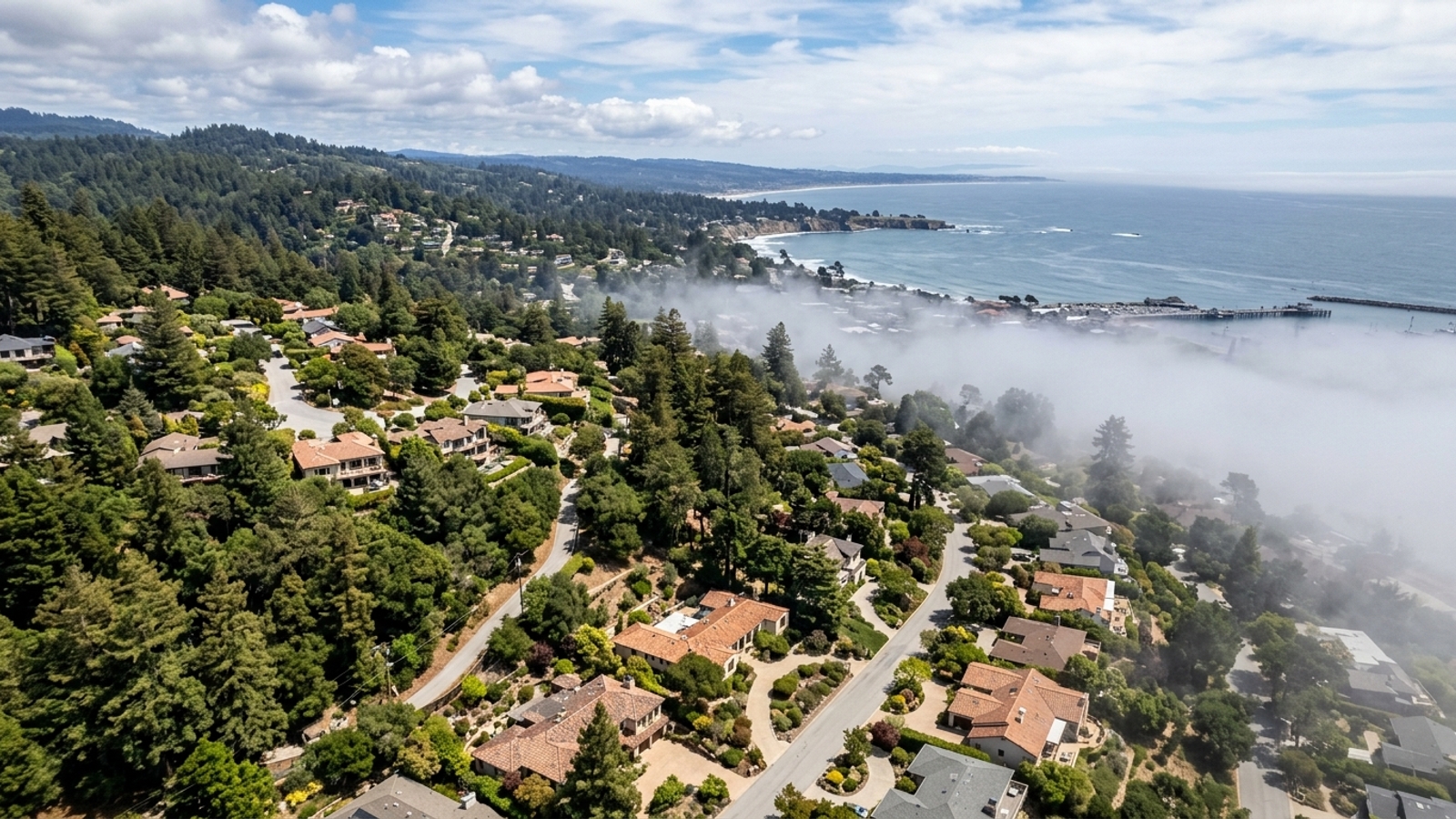
Downtown-adjacent neighborhoods are where you’ll find early 1900s coastal California bungalows and Craftsman-style homes. Push into the hillier areas and the inventory shifts toward Mediterranean and Spanish Colonial Revival – stucco exteriors, red tile roofs, wrought iron details.
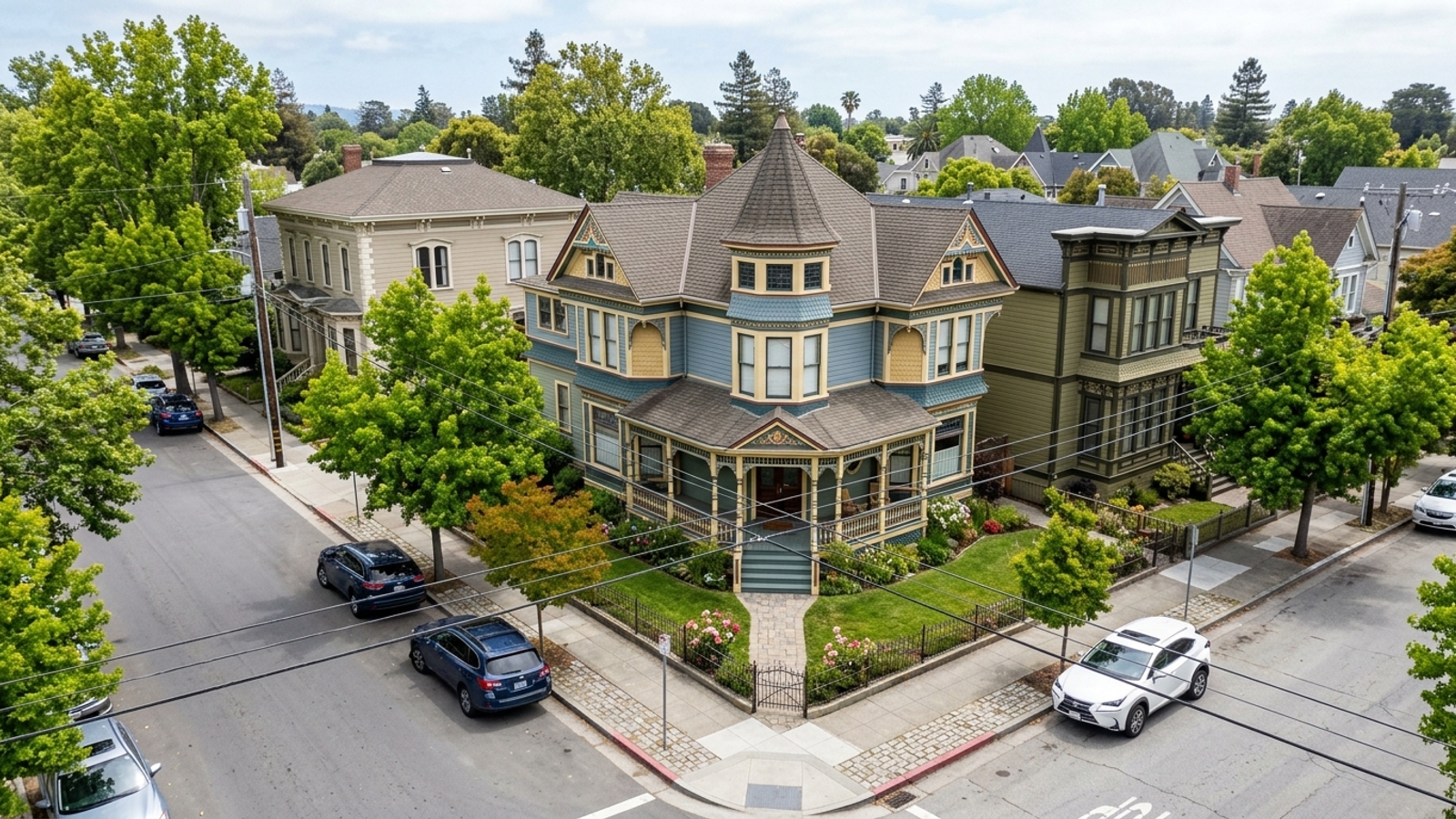
Mid-century modern and ranch homes from the 1950s make up a large portion of the broader market. There’s also a small collection of Victorian-era properties – Queen Anne and Eastlake styles – that reflect the city’s late-19th-century growth. The variety is real, but so is the competition for the interesting stuff.
Comparing Housing Density
San Francisco buyers are used to shared walls, HOA structures, and minimal private outdoor space. Santa Cruz inventory leans heavily toward standalone homes with yards. That’s a meaningful quality-of-life difference for a lot of people.
What it isn’t is a buyer’s market. At any given time, there are roughly 61 available homes and about 2.5 months of supply. The average sale-to-list ratio is 101.3%. You’ll need to move fast when something comes up.
Commute Logistics and Climate Differences
Geography shapes daily life here in ways that aren’t obvious from a map. Santa Cruz is 32 miles south of San Jose and 75 miles south of San Francisco. Between you and the Bay Area sits the Santa Cruz Mountains, and Highway 17 is how you get over them.
That’s not a complaint – it’s just the reality. The mountain terrain adds elevation changes, winding roads, and real variability in travel times depending on the hour and the weather.
Driving to Major Hubs
Seventy-five miles each way to San Francisco is a long-distance commute, not a daily routine most people sustain. Most Santa Cruz residents who work outside of town commute to San Jose or elsewhere in Silicon Valley – not all the way into the city.
If you’re seriously considering this move and your job requires regular Bay Area presence, drive Highway 17 during actual commuting hours before you make an offer on anything. That test drive will tell you more than any data point I can give you.
Weather Patterns and Microclimates
According to NOAA National Climatic Data Center data, Santa Cruz has one of the most favorable climates in the country for comfort and clear-sky days. The coastal position keeps temperatures moderate year-round.
San Francisco is famously foggy in summer, with microclimates that shift block by block. Santa Cruz is generally milder and sunnier, though marine layers do roll in off Monterey Bay. It’s not perpetual sunshine – but it’s close.
Frequently Asked Questions
How much cheaper is it to buy a house in Santa Cruz, CA compared to San Francisco?
The median home price in Santa Cruz is roughly $1,462,500, while San Francisco County median prices sit around $1.8 million. Buyers typically save several hundred thousand dollars on the purchase price by moving south.
Is it realistic to live in Santa Cruz and commute to a job in San Francisco?
It depends on how often you need to be in the office. Santa Cruz is 75 miles south of San Francisco, and driving requires crossing the Santa Cruz Mountains via Highway 17, making a daily commute difficult.
What hidden property costs do San Francisco buyers usually overlook when moving to Santa Cruz?
Buyers should factor in local school district levies and Mello-Roos assessments. While the base property tax rate is 1%, these additions push the median effective tax rate in Santa Cruz to about 1.19%, and up to 1.35% in certain subdivisions.
Is the Santa Cruz real estate market currently as competitive as SF?
Yes, the Santa Cruz market moves very quickly. Homes average just 15 days on the market, and roughly 37.5% of properties sell above their asking price.
Does real estate appreciate faster in Santa Cruz, CA or San Francisco?
Recent 2026 data shows San Francisco County home prices up 14.1% year-over-year, outpacing the roughly 4.5% year-over-year growth seen in Santa Cruz. Both markets have a history of strong long-term appreciation.

Leave a Reply