Buyers looking along the Central Coast often end up weighing a purchase in Monterey against living in Santa Cruz, CA. Both cities sit on the Monterey Bay, but they offer distinct housing markets, architectural styles, and commute realities.
The median sale price in Santa Cruz currently sits around $1,462,500, with homes moving off the market in just 15 days. Down the bay in Monterey, median prices hover closer to the $1.18 million to $1.19 million range. Deciding between the two comes down to property taxes, highway access, and what your budget actually gets you.
Geography and Regional Access
Santa Cruz sits at the northern edge of the Monterey Bay, directly connected to San Jose and Silicon Valley via Highway 17. Monterey anchors the southern end of the bay, which means a considerably longer drive north to reach major tech employment hubs. Highway 1 connects both cities as the main coastal north-south artery, but traffic patterns differ sharply depending on which end of the bay you call home.
Real Estate Markets and Current Prices
Santa Cruz is a fast-paced seller’s market with limited inventory – about 61 available homes and a 2.5-month supply. That’s a thin cushion for buyers. Homes are selling at an average of 101.3% of list price, and about 37.5% of recent sales closed above asking.
Average Home Prices
The median sale price in Santa Cruz is approximately $1,462,500, a 4.5% year-over-year increase. Countywide, Zillow places the average home value somewhat lower, at about $1.15 million.
Monterey is a slightly lower entry point. Zillow estimates the typical home value there at about $1.18 million, while Movoto reports a median sale price of $1,199,500 for mid-2026. Zoom out to the broader Monterey County and typical home values drop to around $795,788.
Property Types and Architecture
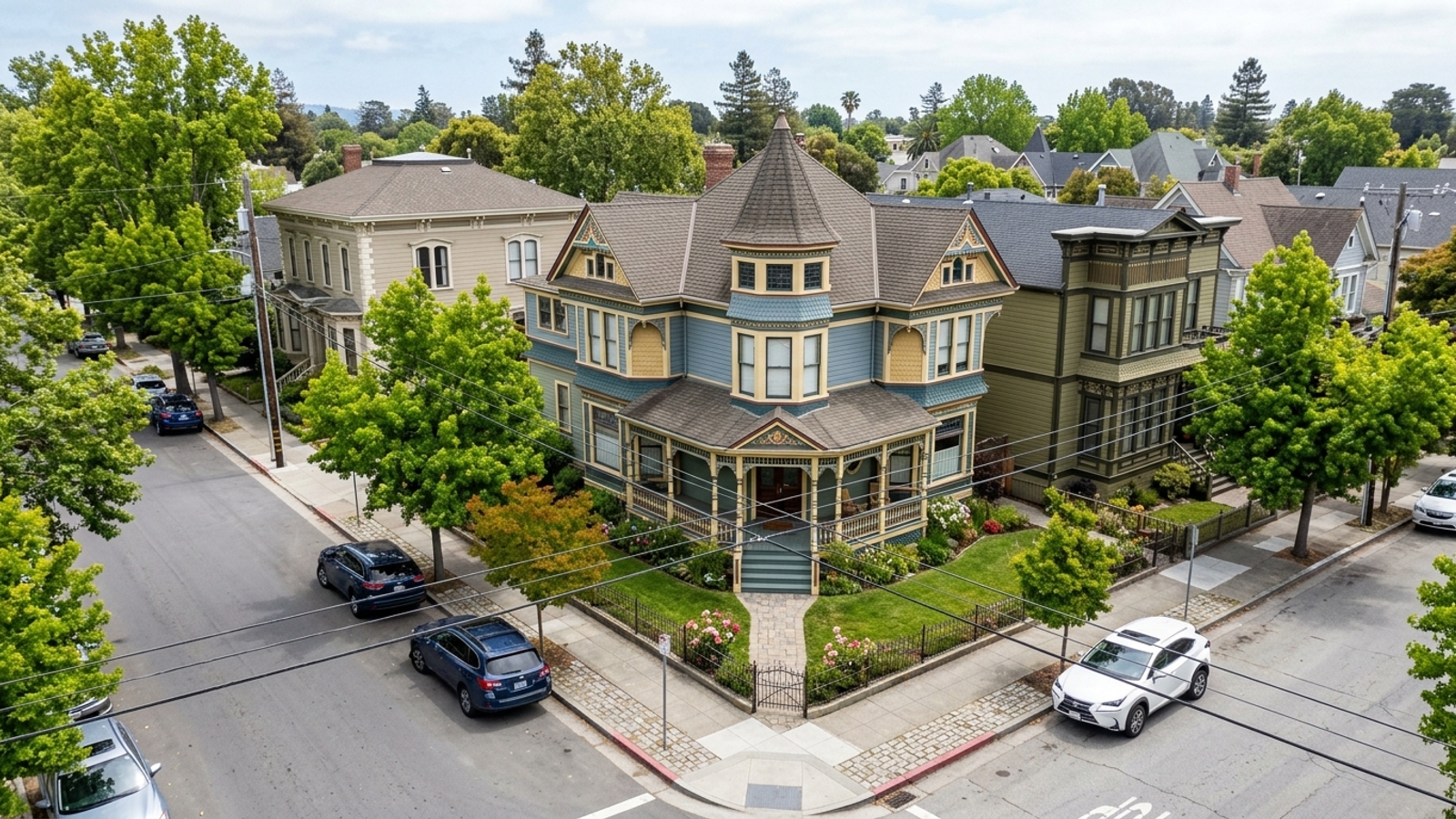
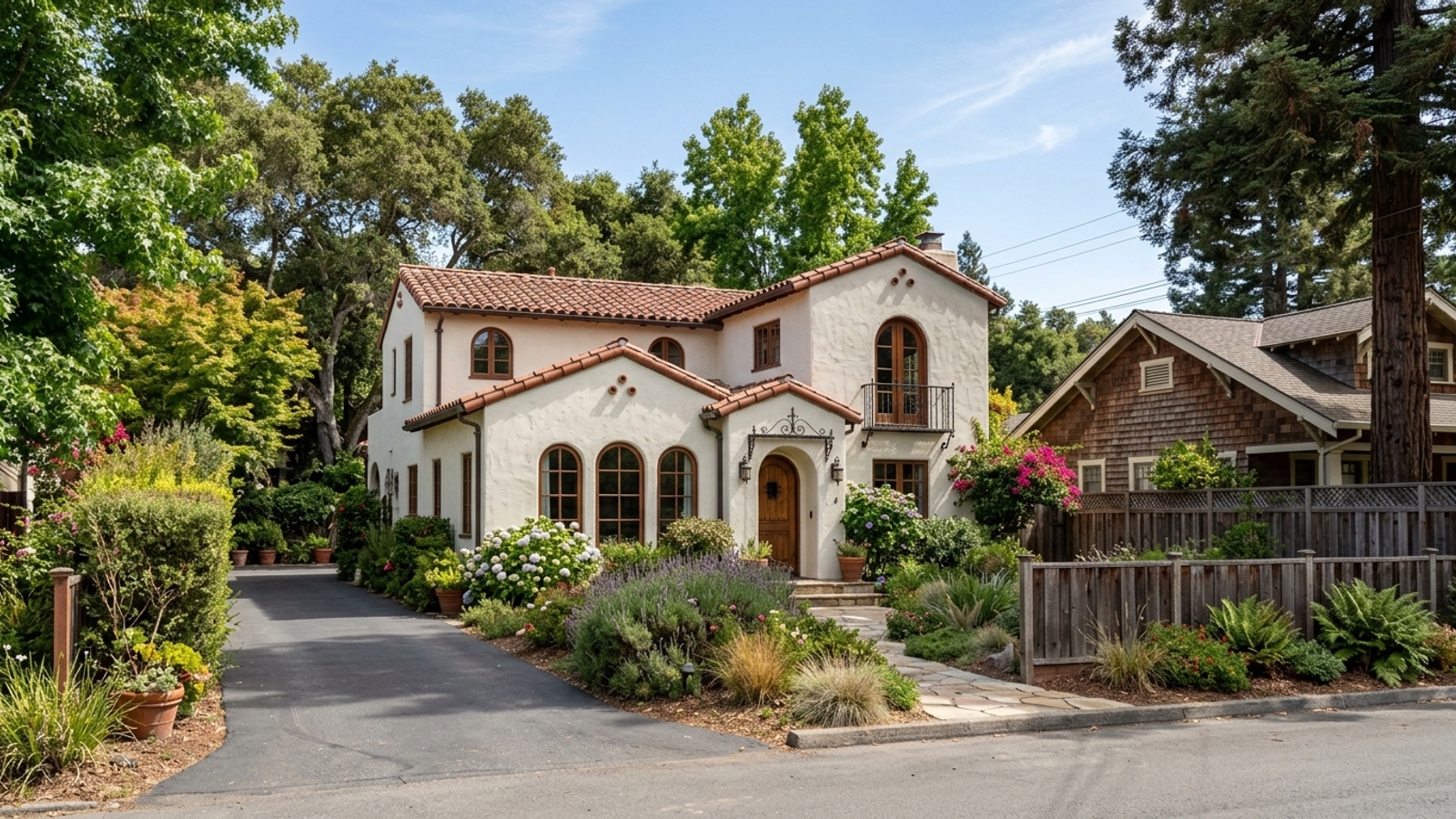
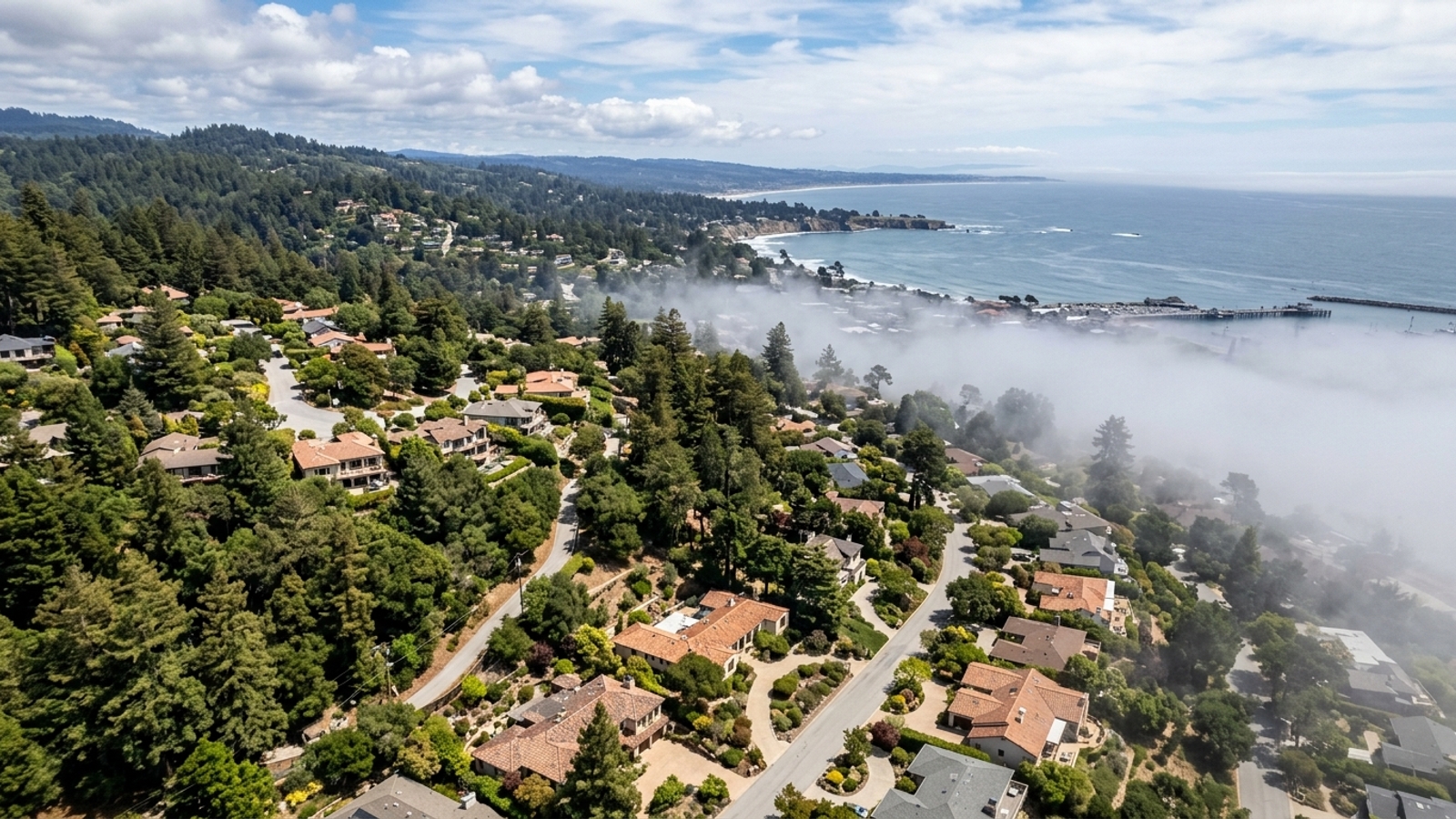
Santa Cruz carries a heavy concentration of Victorian-era architecture – Queen Anne, Stick-Eastlake, Italianate, and Gothic Revival – particularly along Walnut Avenue, alongside Craftsman bungalows and Spanish-influenced stucco homes with terracotta roofs.
Monterey’s architectural identity is the Monterey Colonial style, which traces back to the Larkin House built in 1835. These homes blend Spanish adobe construction with New England colonial forms: thick adobe walls, hip roofs, and the signature two-story balcony. It’s a genuinely distinctive look that you won’t find anywhere else on the coast.
Cost of Living and Local Expenses
Housing is the dominant budget line in both cities, but property taxes and local assessments add to what you’re carrying each month. Both areas fall under California’s Proposition 13, which sets a base property tax rate of 1% of assessed value – but that’s rarely the whole story.
Local voter-approved levies and Mello-Roos districts can push your effective rate higher depending on the specific neighborhood. Before you close, review the preliminary title report for any supplemental tax assessments.
Property Taxes
In Santa Cruz County, effective property tax rates generally range from 0.56% to 1.23%. Within specific city of Santa Cruz ZIP codes, effective rates often land between 1.16% and 1.26% once all local levies are included.
Monterey County operates under the same Proposition 13 base structure. Exact effective rates vary by municipality and school district, but buyers should expect a similar framework of base taxes plus local assessments.
Everyday Expenses and Transit
Daily travel costs depend on whether you’re relying on a personal vehicle or public transit. The Santa Cruz Metro (METRO) bus service runs local routes throughout the city and county. Gas and vehicle maintenance scale with your commute distance – residents working locally in either city will obviously spend less on transportation than those making a daily run over the mountains.
Lifestyle, Amenities, and the Daily Commute
The physical layout of each city shapes how you actually spend your days. Santa Cruz gives you immediate access to the Santa Cruz Mountains and north coast beaches. Monterey offers a different coastal environment – the southern bay’s rocky shoreline rather than sandy surf breaks. Either way, you’re factoring drive times into your daily routine.
Parks and Recreation
Santa Cruz maintains a solid range of public outdoor spaces: Natural Bridges State Beach, the West Cliff Drive coastal trail, Pogonip Open Space, Wilder Ranch State Park, and Henry Cowell Redwoods State Park. The Santa Cruz Beach Boardwalk and Twin Lakes State Beach round out the options, giving residents everything from redwood forest hiking to immediate beachfront access.
Monterey’s recreational draw centers on the southern bay’s rocky shoreline and the distinct coastal environment that comes with it.
Commuting and Transportation
This is where location really matters. Santa Cruz is roughly 30 to 35 miles from San Jose and Silicon Valley via Highway 17, with typical drive times between 40 and 60 minutes – and the mountain route deals with heavy congestion regularly. Highway 9 offers an alternative through the Santa Cruz Mountains, though it’s a winding, slower road.
Monterey residents commuting to Silicon Valley face a significantly longer drive. If tech employment is your anchor, Santa Cruz is the more practical choice.
Frequently Asked Questions
Is it more expensive to buy a home in Santa Cruz, CA than in Monterey?
Yes. The median sale price in Santa Cruz is $1,462,500, compared to roughly $1.18 million to $1.19 million in Monterey. Santa Cruz also sees homes selling at 101.3% of list price, which tells you the market is both more expensive and more competitive.
Which city offers a more realistic commute to Silicon Valley: Santa Cruz or Monterey?
Santa Cruz, and it’s not particularly close. It sits 30 to 35 miles from San Jose via Highway 17, with drive times typically between 40 and 60 minutes. Monterey is further south along the bay, and that extra distance adds significant time to a Silicon Valley commute.
How does the local lifestyle and community vibe in Santa Cruz differ from Monterey?
It comes down to what draws you. Santa Cruz has redwood access at Henry Cowell Redwoods State Park, the Beach Boardwalk, and Victorian homes along Walnut Avenue. Monterey offers a different historical backdrop – the 1830s Monterey Colonial adobe architecture gives it a character that’s genuinely its own.
Which real estate market historically sees better long-term property appreciation, Santa Cruz or Monterey?
Recent data favors Santa Cruz. The median sale price there increased 4.5% year-over-year as of mid-2026. Zillow’s estimates for Monterey show typical home values decreasing by about 1.6% over the same period.
What are the biggest drawbacks to choosing Santa Cruz over Monterey for a primary residence?
Higher costs and traffic. The median price is $1,462,500, homes are selling in about 15 days, and the primary commute route on Highway 17 deals with frequent congestion. You’re paying a premium for proximity to Silicon Valley, and the drive still isn’t easy.

Leave a Reply