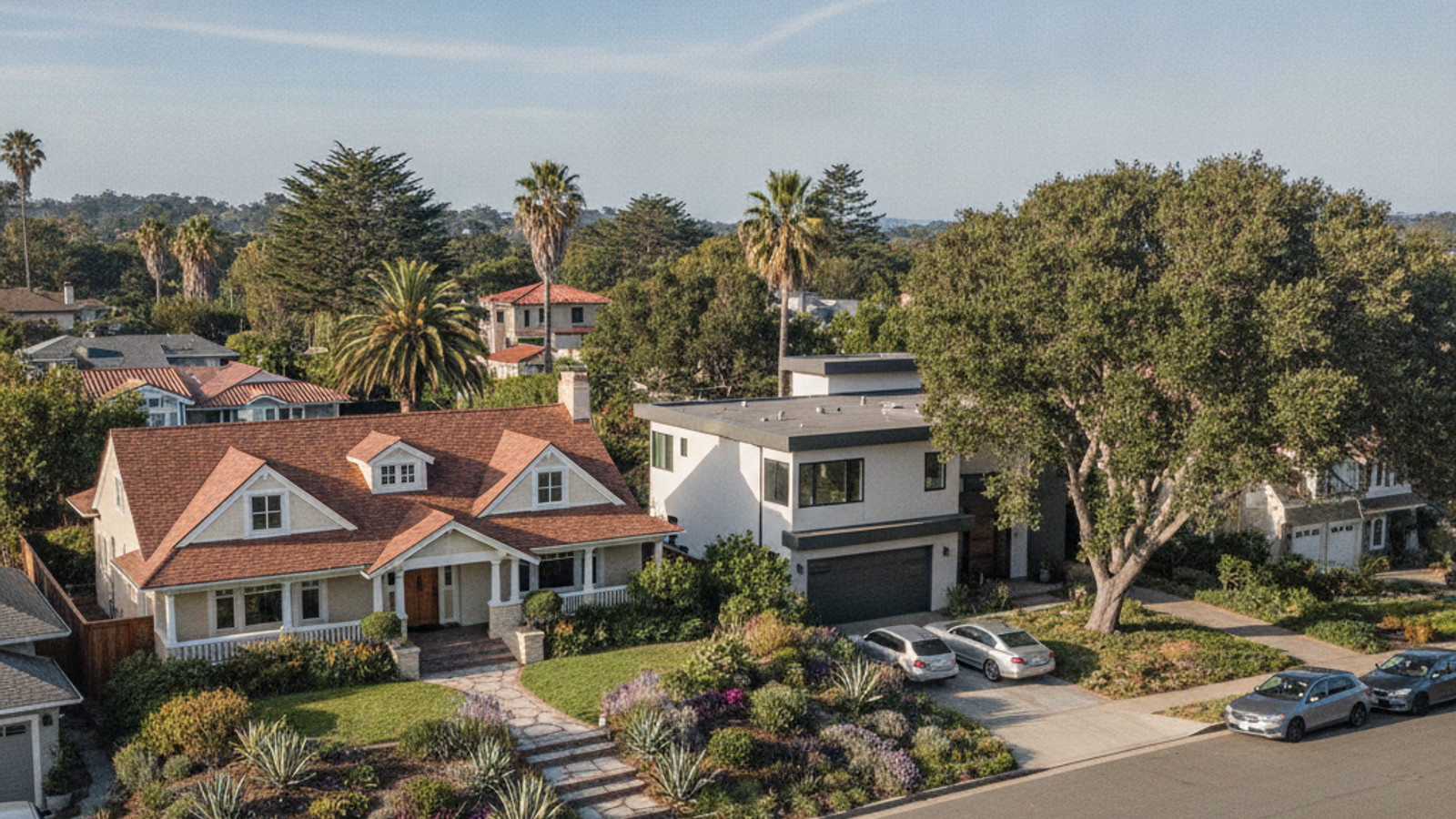
The median home sale price in Santa Cruz, CA hit roughly $1,462,500 in May 2026. This reality sets a high bar for first-time home buyers in Santa Cruz, CA. That number alone tells you a lot about what you’re dealing with here – a coastal city with direct access to Monterey Bay and a Highway 17 commute into Silicon Valley that keeps demand relentlessly high.
Before you write an offer in a market where the median days on market is just 15, get a real picture of your purchasing power. Not a rough estimate. An actual number. This is what that looks like.
The Cost of Living on the Central Coast
The median household income in Santa Cruz, CA was $115,475 in 2024, up 3.6% from the prior year. That’s a healthy number in most of the country. In Santa Cruz, it’s the floor of a conversation about affordability, not the ceiling.
Living near UC Santa Cruz and the coastline means housing dominates most household budgets by a wide margin. The local cost of living sits well above the California state average, and the competition reflects it – you’re not just up against other local professionals. You’re competing with commuters pulling Silicon Valley salaries who’ve decided the drive over 17 is worth it.
Beyond whatever the listing price says, there are carrying costs that shape what you actually spend every month. Property taxes, insurance, daily expenses – they all add up, and they add up fast at this price point. Getting clear on those numbers before you fall in love with a property is the right order of operations.
Santa Cruz Housing Costs: Renting vs. Buying
Average rent for an apartment in Santa Cruz, CA runs about $3,458 per month as of July 2026 – roughly 77% above the national average. On the purchase side, you’re competing for a thin pool of inventory: only about 61 active homes entering the summer.
That scarcity shows up in the data. About 37.5% of homes sold above asking price, and the average sale-to-list ratio is 101.3%. When you find something that fits, you don’t have the luxury of a leisurely decision.
Renting sidesteps immediate maintenance costs and property taxes, which is real money. But it also means sitting out a market where median sale prices rose 4.5% year-over-year. Buyers who get in lock their housing costs and start building equity along a coastline that hasn’t historically been generous to people who wait.
Everyday Expenses: Utilities, Groceries, and Transit
Electricity in Santa Cruz runs about $202 per month, based on an average rate of $0.22 per kWh – around 14% higher than the national average. Energy efficiency isn’t an abstract virtue here; it’s a line item worth paying attention to when you’re evaluating a home.
Your commuting costs depend almost entirely on where you’re going. If you’re driving Highway 17 into Santa Clara County regularly, budget for consistent gas and maintenance – that mountain pass is not gentle on vehicles. If you’re working locally or remotely, your daily transit picture looks considerably different.
Groceries reflect the same regional premiums you see throughout the Monterey Bay area. Farmers’ markets give you access to excellent local produce, but standard supermarket runs cost more than they would in an inland California city. It’s worth an honest look at your current discretionary spending before you benchmark against what life actually costs here.
Income Guidelines for Santa Cruz Buyers
With a median home price near $1.46 million, you’re looking at either substantial household income, a large down payment, or both. Lenders are going to scrutinize your debt-to-income ratio carefully at this price point, and they should.
A standard 20% down payment on a median-priced home means roughly $292,500 out of pocket before you close. Put down less and you’re adding private mortgage insurance on top of an already significant monthly payment. The right move is to sit down with a local lender and run actual scenarios against your salary and existing debt – not ballpark math.
Don’t forget closing costs and what it takes to move into a place without immediately depleting your reserves. Unexpected repairs happen, and a property exposed to marine air tends to remind you of that sooner rather than later. Your liquid assets and monthly income together determine your real ceiling, not just what a lender will technically approve.
Frequently Asked Questions
What salary do I need to make to afford an average house in Santa Cruz?
It depends on your down payment and where interest rates are when you’re shopping. With the median home price at $1,462,500, you’ll generally need a household income well above the local $115,475 median to qualify for a standard mortgage. A local lender can give you a precise number once they’ve looked at your specific debt-to-income ratio.
Does it make more financial sense to rent or buy a home in Santa Cruz?
It depends on your timeline and how much capital you have available. Renting averages $3,458 per month and requires significantly less cash upfront, which makes it practical if you’re not planning to stay long. Buying demands a large down payment but builds equity in a market where home values increased 4.5% year-over-year.
How do local property taxes and utility rates impact my monthly housing budget in Santa Cruz?
They add hundreds of dollars on top of your base mortgage payment. Electricity alone averages $202 per month, and California property taxes are reassessed at purchase based on the sale price. Include both when you’re calculating your actual monthly carrying capacity – not just what the mortgage statement will say.
What hidden costs, like coastal hazard insurance, should I factor into my Santa Cruz affordability calculator?
Depending on where the property sits, you may need supplemental flood or fire coverage – homes near the Monterey Bay coastline or in wooded areas often require both. Factor in maintenance costs too; properties exposed to marine air have a way of needing more upkeep than the inspection report suggests.
How much of a down payment is typically required to be competitive in the Santa Cruz real estate market?
Twenty percent is standard and gives sellers confidence when they’re weighing multiple offers. With homes selling in a median of 15 days and frequently above asking price, strong financing terms matter. That said, some buyers do successfully use lower down payment loans if their credit profile is solid.
Which Santa Cruz neighborhoods or nearby towns offer the most affordable options for buyers on a tight budget?
Looking slightly inland or toward the southern end of Santa Cruz County generally turns up lower prices than beachfront properties. Areas further from the UC Santa Cruz campus and the Highway 17 commute corridor tend to be more accessible for buyers who need to stretch their dollars.



Leave a Reply