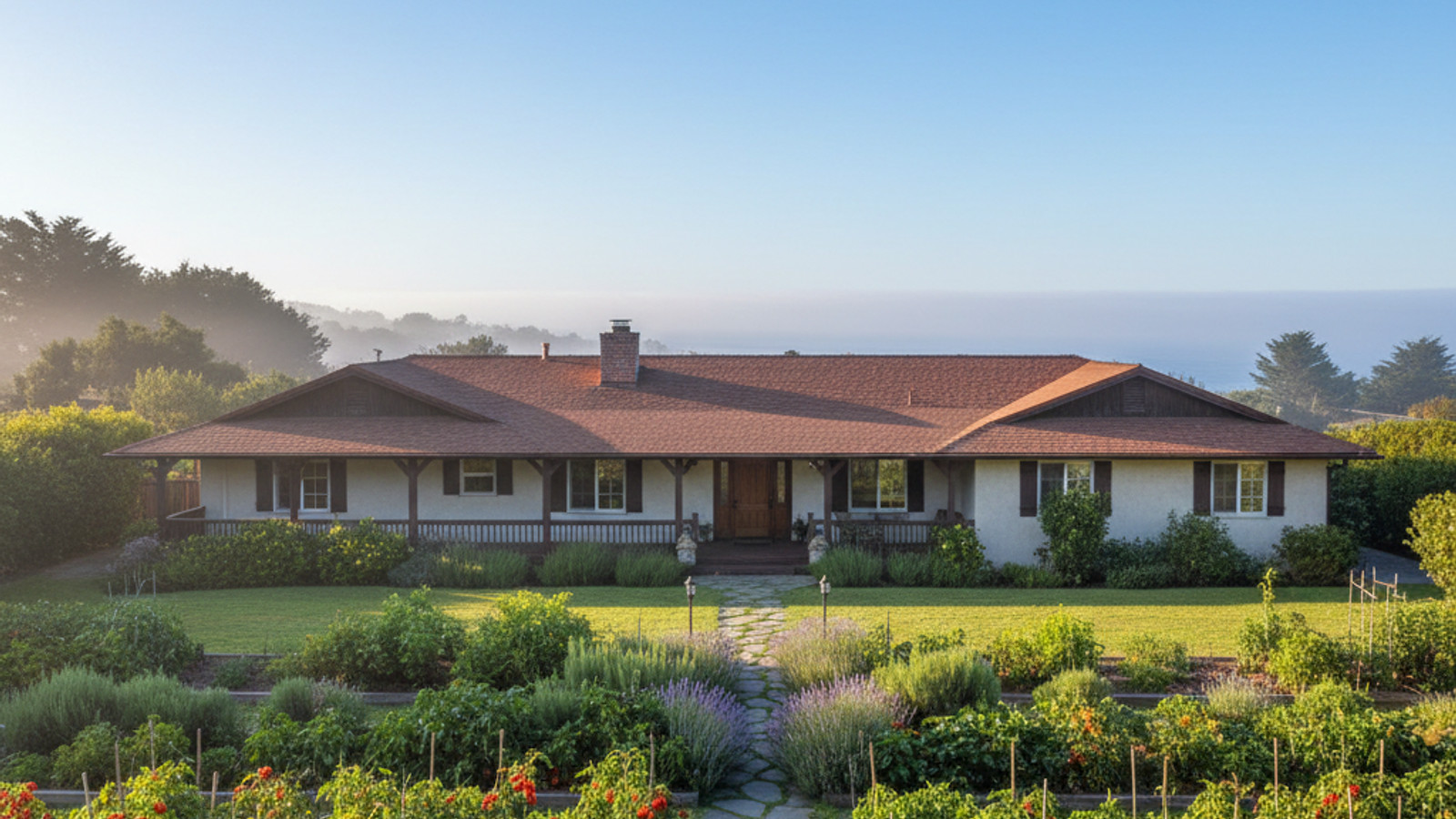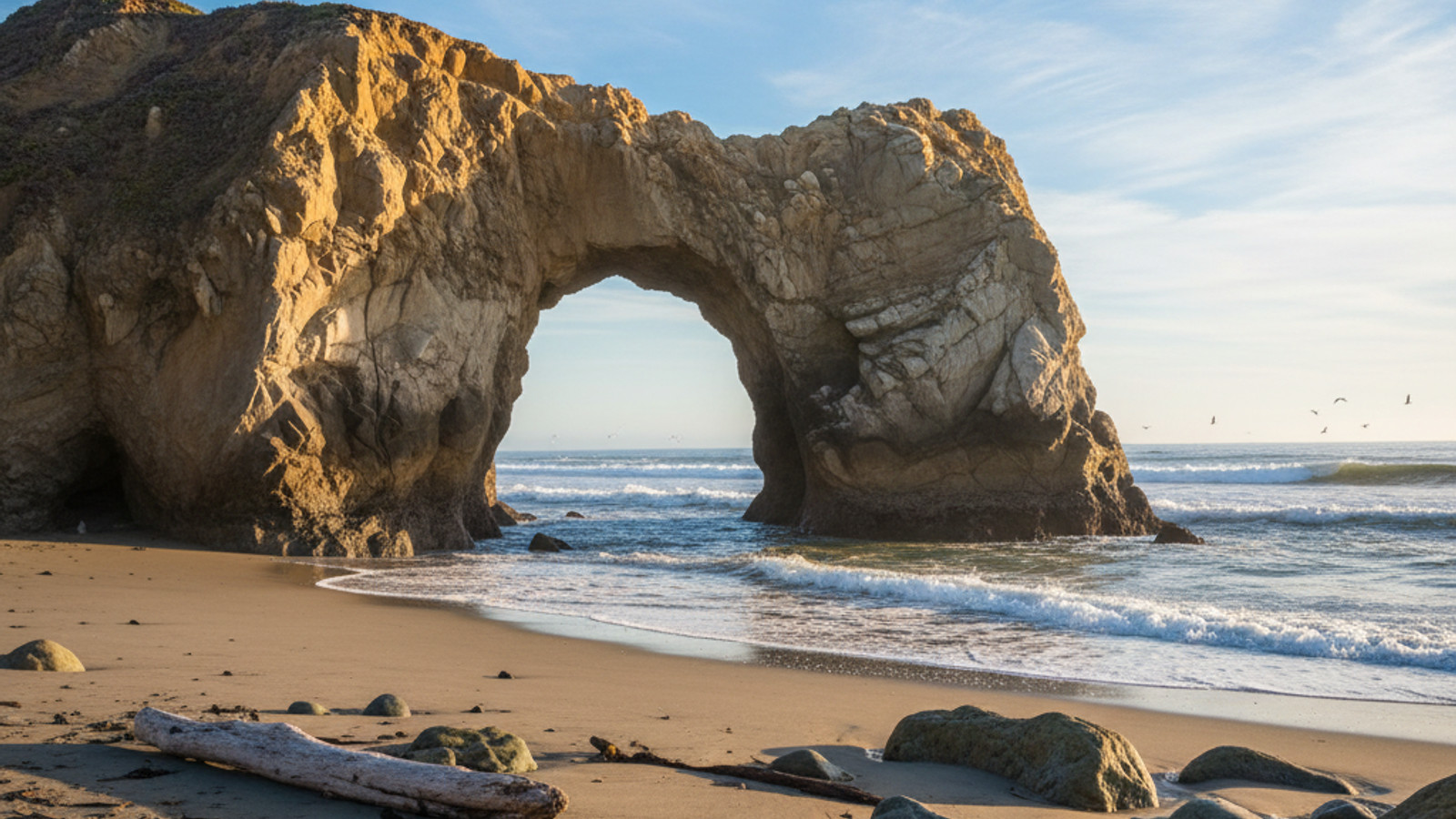
While Santa Cruz combines towering redwoods, deep-rooted surf culture, and Silicon Valley proximity in a unique blend that provides an ultra-relaxed alternative to the Bay Area hustle, moving here opens up a complex landscape of microclimates and microcultures.
Inhabitants must endure a high “sunshine tax,” as the cost of living remains steep; yet for many, it’s worth the premium for the exceptional quality of life and the city’s distinct coastal charm.
Geographically, it’s cut in two by the San Lorenzo River, with the Westside and Eastside connected by Highway 1. For many, the peel of the “banana belt”-pockets of homes that get sun and avoid the coastal fog-is the major determinant in neighborhood choice, chased by whatever lifestyle or budget one is pursuing.
Finding just the right homes for sale in Santa Cruz is really a matter of weighing the daily commute against varied weather and neighborhood vibes that truly make this iconic surf city tick.
Westside: The Active Coastal Hub
The Westside is the epitome of the Santa Cruz lifestyle with its energetic and outdoorsy atmosphere driven by the presence of the University of California-Santa Cruz. The competitive real estate market with eclectic housing choices ranging from Victorian houses to ocean-view remodels draws students and faculty along with locals craving the convenience of access to the beach.
While the surf scene is a big draw in the neighborhood, other mainstays in the neighborhood include the Mission Street corridor and the Swift Street Courtyard that offer wineries, bakeries, and necessary amenities within walking distance of the Natural Bridges State Beach.
- Home Prices: Expect to see listings starting around $1.4M and easily climbing over $2M for premium spots.
- Rent: A typical one-bedroom apartment or cottage runs between $3,200 and $3,600 a month.
Seabright (Midtown): The Social & Walkable Center
Seabright, often called Midtown, is a social and highly walkable neighborhood known for its “hipster-chic” yet relaxed community atmosphere. Anchored by the Santa Cruz Harbor, the Walton Lighthouse, and Seabright Beach—one of the few local spots allowing beach bonfires—the area offers a serene residential feel just steps from the action.
Residents enjoy extreme convenience along the Soquel Avenue corridor, which is packed with top breweries, coffee shops, and local eateries, making it an ideal choice for those seeking a quiet home base with immediate access to a lively, car-free lifestyle.
- Home Prices: Generally range from $1.2M to $1.8M.
- Rent: One-bedroom units usually land between $2,800 and $3,300 a month.
Downtown Santa Cruz: Urban Energy & Entertainment
Downtown is the heartbeat of the city. If you prefer a more urban lifestyle where you can walk to the movie theater, catch a bus at the main Metro station, or hit the Wednesday farmers market, this is the spot. The vibe is eclectic and busy, serving as the center for both commerce and nightlife.
Housing here looks different than the rest of town. You’ll find mostly condos and apartment complexes, with some historic homes tucked into the periphery. It’s ideal for those who want immediate access to Pacific Avenue’s shops and the Santa Cruz Beach Boardwalk without worrying about yard maintenance.
The trade-off for all this convenience is the hustle. It’s louder here, foot traffic is higher, and parking can sometimes be a headache if your building doesn’t have a dedicated lot.
- Condo Prices: You can find options from roughly $800,000 to $1.2M.
- Rent: Monthly rents for one-bedroom apartments hover around $3,000 to $3,700 depending on the building’s amenities.
Pleasure Point & The Eastside: Surf Culture Soul
Pleasure Point is the epicenter of the “true” surf culture in Santa Cruz with its “surf shack” attitude as the original stomping ground of Jack O’Neill. Within the unincorporated area of Live Oak’s Eastside neighborhood of Pleasure Point, this village-like community is centered around the ocean with activities throughout the day focused upon surf checks at “The Hook” as well as walks along East Cliff Drive.
Though the 41st Avenue area provides the best surf stores, clothing stores, and restaurants, the commute to the Silicon Valley or the “Westside” during peak hours is a consideration.
- Home Prices: Prices reflect the lifestyle demand, ranging from $1.5M to $2.5M, with a steep premium for anything within walking distance of the waves.
- Rent: One-bedroom rentals average between $2,900 and $3,500 a month.
Live Oak: Diverse & Commuter Friendly
Live Oak is a centrally located, unincorporated area “sandwiched” between Santa Cruz and Capitola, serving as a practical home base with easy access to both hubs. This neighborhood is favored for its diverse housing stock, which includes mid-century ranchers, mobile home parks, and large apartment complexes. Because of this variety, residents often find more space for their money compared to the high-priced Westside or Pleasure Point.
The area boasts strong community amenities, such as the Simpkins Family Swim Center and a popular Sunday Farmers Market that many locals prefer over the downtown version. Residents also enjoy excellent beach access at Twin Lakes, which offers a more relaxed coastal experience away from the intense tourist crowds of the Boardwalk.
- Home Prices: Single-family homes often trade between $1M and $1.5M.
- Rent: One-bedroom units are slightly more affordable, typically $2,700 to $3,200 a month.
Nearby Mentions: Scotts Valley & Capitola
Sometimes the best neighborhood in Santa Cruz isn’t actually in Santa Cruz.
Scotts Valley is just a few miles north up Highway 17. It has a warmer, more suburban feel with newer schools and wider streets. The biggest perk? It shaves a solid 15 to 20 minutes off the commute to Silicon Valley because you skip the dreaded “Fishhook” traffic merge.
Capitola, to the south, offers a charming, historic village vibe. It’s famous for its colorful cottages and walkable esplanade. It gets heavy tourist traffic in the summer, but for those who love a walkable, picturesque environment, it’s a fantastic option.
Snapshot: Cost of Living & Housing Market
Let’s be real about the numbers—living in paradise isn’t cheap. The real estate market here is defined by high demand and consistently low inventory. Most decent single-family homes in desirable areas will start above the $1M mark. Because inventory is tight, bidding wars are common, and homes priced correctly tend to move fast.
The rental market is equally competitive, largely driven by the student population. If you are looking for a lease, be aware that August and September are the toughest months to find a place as students return for the fall quarter.
Beyond the rent or mortgage, keep an eye on other monthly costs. Utilities, especially water, can be pricey here. Also, many beach neighborhoods have permit parking zones, so you’ll need to factor in the cost and logistics of parking permits if you have multiple cars.
- Median Home Price (Citywide): Roughly $1.3M – $1.5M.
- Avg. 2-Bedroom Rent: Expect to pay between $3,800 and $4,500.
How to Choose: Lifestyle & Commute Factors
Choosing a home in Santa Cruz ultimately depends on three critical factors: your daily commute, your tolerance for fog, and your desired weekend atmosphere. A primary concern is the “Fishhook,” the notorious merge of Highway 1 and Highway 17 that creates significant bottlenecks for those traveling between the Eastside and Westside. To save hours each week, it is essential to live on the same side of town where your commute begins or where your workplace is located.
Beyond logistics, the “university impact” determines the neighborhood vibe, with the Westside and Downtown offering high energy and student-driven culture, while the Eastside and Live Oak provide a quieter, more residential feel.
Weather also varies drastically due to micro-climates; while the Westside may be socked in with fog, “banana belt” areas like upper Seabright and Live Oak often remain sunny. For those prioritizing consistent sunshine and Vitamin D, looking further inland from the immediate cliff edge is key to finding the right balance.
FAQs
Which Santa Cruz neighborhood is best for commuting to Silicon Valley?
Scotts Valley is technically the best option as it sits north of the major traffic bottlenecks. However, if you want to be within Santa Cruz city limits, the Upper Westside or neighborhoods near the Ocean Street on-ramp offer the quickest access to Highway 17, helping you avoid some of the cross-town congestion.
What is the safest neighborhood in Santa Cruz?
Safety within Santa Cruz is also linked to levels of community engagement. Neighboring areas that include Upper Westside, Seabright, and Pleasure Point are generally quite safe and are considered very quiet and residential. These areas portray high community spirit whereby everyone within the locality is acquainted, thereby making it feel safe as opposed to commercial areas that are busy.
Is it better to live on the Westside or Eastside of Santa Cruz?
This is the classic local debate, and it depends on your lifestyle. Choose the Westside if you want walkability to West Cliff Drive, easy access to UCSC, and a high-energy environment. Choose the Eastside or Pleasure Point if you prefer a more relaxed, “surf shack” vibe with slightly warmer weather and a flatter landscape for biking.
Is Santa Cruz expensive to live in?
Yes, the cost of living in this region is considerably higher than the average in the United States and in some cases is on par with the Bay Area. The appeal of living in the coastal region and the constrained supply of housing keep the costs of real estate and lease assets high.