Santa Cruz offers a distinct coastal lifestyle, and the neighborhoods surrounding the main amusement district represent a unique segment of the local housing market. Buyers looking into the boardwalk area santa cruz ca will find a mix of historic charm and dense investment opportunities. Situated along the northern edge of Monterey Bay, this locale provides immediate access to iconic California shoreline.
Navigating the housing landscape here requires an understanding of zoning nuances, seasonal traffic patterns, and micro-market pricing. The Beach Flats and Lower Ocean districts operate differently than the hillside communities or the suburban stretches of the county. Whether you are searching for a primary residence or a multi-unit rental property, evaluating the specific amenities and infrastructure of this coastal hub is essential for a sound purchase in 2026.
Real Estate Market Trends in the Santa Cruz Boardwalk Area
The 2026 housing market in the 95060 zip code remains highly active, driven by the enduring appeal of coastal proximity. Median home prices across the broader Santa Cruz area currently range from approximately $1,300,000 to $1,500,000. However, pricing within the Lower Ocean and Beach Flats neighborhoods often reflects the higher density and multi-family nature of the inventory.
Carrying costs are a critical consideration for any buyer entering this market. The average effective property tax rate in Santa Cruz County sits at roughly 1.26%. When applied to a median-priced home, buyers should anticipate annual tax obligations exceeding $16,000, which significantly impacts monthly carrying costs and overall return on investment.
Inventory in this district leans heavily toward a mix of owner-occupied units and long-term or seasonal investment rentals. The concentrated layout of the streets means that single-family homes often share property lines with multi-unit structures. From an investment perspective, the 95060 zip code offers one of the most reliable rental markets on the coast, provided buyers carefully underwrite for seasonal vacancy rates and coastal maintenance costs.
Property Types: From Beach Cottages to Multi-Family
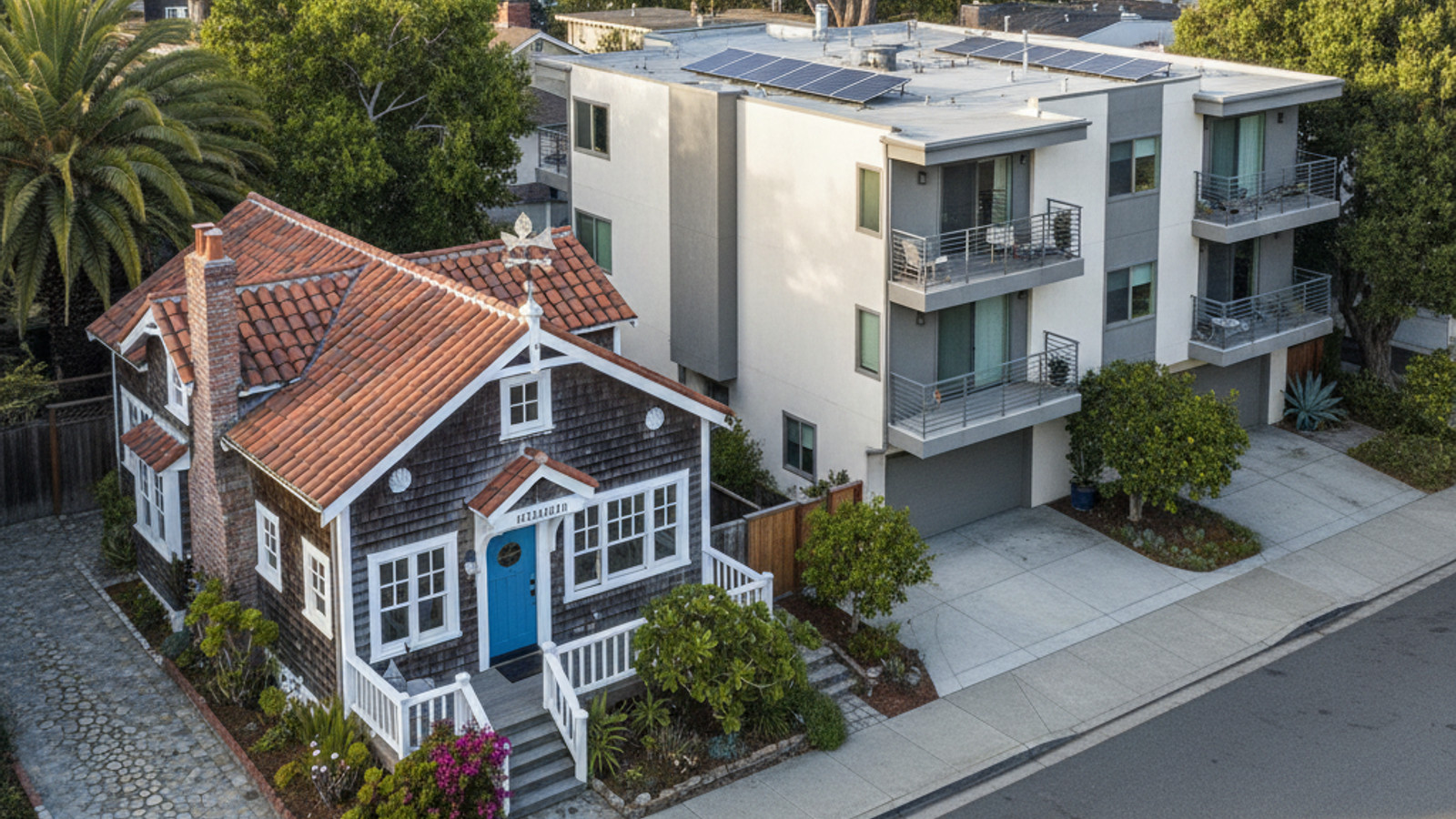
The architectural profile of the Beach Flats neighborhood is defined by its early 20th-century origins. Buyers will frequently encounter 1920s historic beach cottages that feature compact footprints and classic seaside design elements. Many of these older structures have been updated to modern standards, though strict local zoning often preserves their historic exterior character.
Beyond detached homes, the area boasts a high density of multi-family investment properties, particularly duplexes and triplexes. Condominium options are also available for those seeking attached units with shared maintenance responsibilities. Buyers exploring these attached options should factor standard homeowner association fees into their budgets, as these monthly dues cover essential exterior upkeep in the corrosive marine environment.
Recreation and Local Amenities Near the Boardwalk
The lifestyle benefits of this neighborhood are anchored by its immediate proximity to Main Beach and the expansive Monterey Bay coastline. Residents enjoy direct access to miles of sand and surf without the need to secure seasonal parking. This level of accessibility is a primary driver of real estate demand in the Lower Ocean and Beach Flats districts.
The San Lorenzo Riverwalk serves as a vital pedestrian corridor linking these coastal neighborhoods to the downtown commercial center. This paved pathway allows for seamless non-motorized transit along the river, connecting residential streets to broader city infrastructure. It provides a scenic and practical route for daily exercise or commuting on foot.
Commercial amenities are densely clustered near the water, offering robust dining and retail access points. Establishments near the Dream Inn and the Santa Cruz Municipal Wharf provide year-round entertainment and dining options. In my view, properties situated within a half-mile of these permanent commercial anchors hold their value exceptionally well, as the convenience factor shields them from broader market fluctuations.
Parks, Beaches, and the Santa Cruz Beach Boardwalk
The defining feature of the area is the historic seaside amusement park that gives the neighborhood its identity. Operating as a state historic landmark, the Santa Cruz Beach Boardwalk brings significant recreational infrastructure right to the edge of the residential grid. Local residents benefit from year-round access to the park grounds, including seasonal events like the popular Winter Wonderland.
Beyond the amusement park, the neighborhood provides access to several distinct recreational assets. These amenities offer diverse outdoor activities within a compact geographic footprint. Key attractions accessible from the Beach Flats community include:
- The iconic Giant Dipper roller coaster, which anchors the coastal skyline.
- The Roaring Camp Railroads beach train, offering scenic transit through the coastal redwoods.
- Nearby municipal park spaces that provide green areas adjacent to the beachfront.
Commuting and Transit Infrastructure
Transportation access is a primary consideration for anyone purchasing property in the coastal sectors of CA. The neighborhood connects directly to major arterial roads, with primary vehicular access points routed through California State Route 1. This highway serves as the main coastal artery, linking the local streets to neighboring coastal towns and major transit corridors.
For professionals traveling to San Jose and the broader Silicon Valley, Highway 17 is the mandatory mountain pass. Typical commute times run between 45 and 60 minutes under normal conditions, though weather and peak traffic can extend this duration. Understanding these traffic patterns is crucial for buyers who need to balance a coastal lifestyle with inland employment obligations.
Local transit is supported by the Santa Cruz Metro, which operates multiple bus routes serving the Lower Ocean and Beach Flats areas. These routes provide functional alternatives to driving for cross-town travel. Ultimately, the viability of the Highway 17 commute dictates the local buyer pool, ensuring that demand remains strong among tech workers who only need to be in the office a few days a week.
Santa Cruz City Schools and Educational Zoning
Residential addresses in the Lower Ocean and Beach Flats neighborhoods fall under the jurisdiction of the Santa Cruz City Schools district. This administrative body manages the public educational facilities serving the central and coastal portions of the city. Buyers evaluating long-term property holds often prioritize understanding these specific zoning pathways.
The typical zoning pathway begins with proximity to local elementary campuses, such as Bay View Elementary or Gault Elementary. From there, the standard matriculation route leads students to Mission Hill Middle School. These neighborhood schools serve as community anchors and are geographically distributed to minimize travel times for local residents.
Secondary education for this zone is generally routed to Santa Cruz High School. Having a high school campus located within a short radius of the neighborhood is a significant logistical advantage. Properties within these established, centralized educational zones tend to maintain consistent buyer interest regardless of broader economic shifts.
Frequently Asked Questions About the Boardwalk Neighborhood
Is the Santa Cruz Boardwalk area considered a solid real estate investment?
The area remains a strong target for real estate capital due to its high concentration of multi-family properties. The consistent seasonal rental demand driven by the nearby amusement park and beaches supports steady income potential. With median prices hovering around $1,400,000, investors can often find duplexes or triplexes that pencil out favorably when managed correctly.
What is the typical commute time from the Santa Cruz Boardwalk to Silicon Valley?
Drivers can expect a typical commute time of 45 to 60 minutes to reach San Jose via Highway 17. This timeframe assumes standard traffic conditions and can fluctuate during peak hours or inclement weather. The relatively short distance makes the coastal lifestyle accessible for those working in the major tech hubs.
Are there homeowner association fees in the Beach Flats neighborhood?
Yes, buyers purchasing condominiums or attached townhomes in the area will encounter homeowner association fees. These monthly dues are necessary to cover exterior building maintenance, shared insurance policies, and general upkeep. Detached historic single-family homes in the neighborhood do not typically carry these additional monthly fees.

Leave a Reply